The European Union’s credibility in the Western Balkans is in crisis, warns a new policy brief, “Why the EU Talks Reform but Fuels Decline in the Balkans”, published by the Balkans in Europe Policy Advisory Group (BiEPAG). Despite constant declarations of support for democratic reform and EU integration, Brussels is increasingly seen as enabling backsliding, rewarding autocrats, and sidelining civil society in the name of stability and geopolitical interest.
The Policy Brief underlines that the European Union should close the gap between rhetoric and reality, reward genuine reform, and reaffirm the EU’s standing as a credible normative power in the Western Balkans, a region still looking to Brussels for a genuine European future.
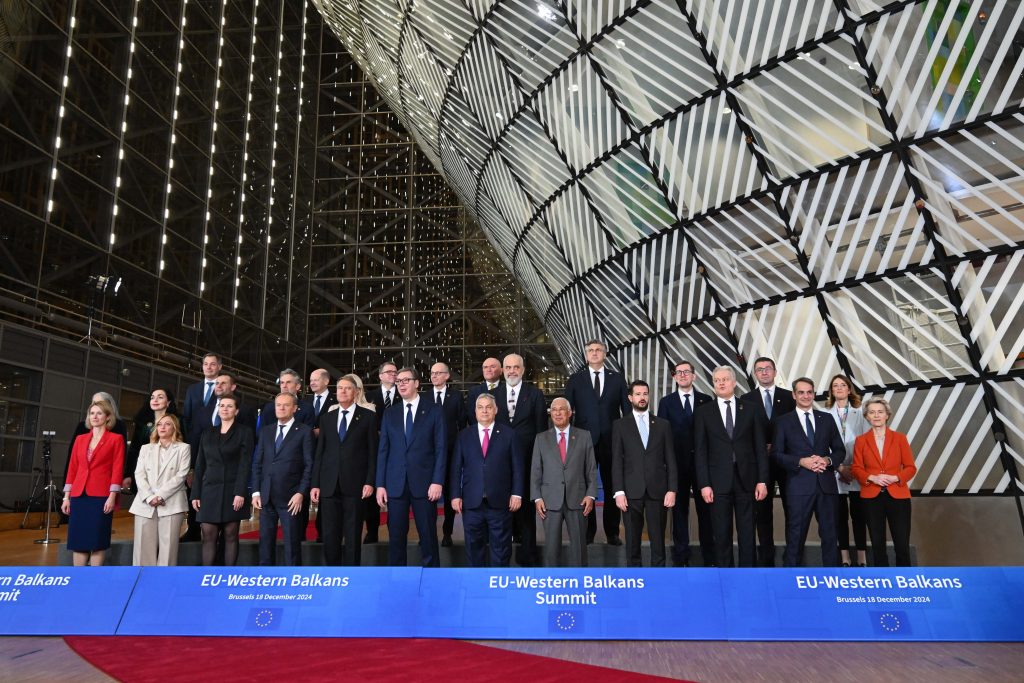
According to the Policy Brief, EU enlargement policy, once envisioned as a catalyst for stability and democratic transformation in the WB, has become increasingly reactive and inconsistent in recent years, shaped more by internal political dynamics than by strategic vision.
It is added that a persistent and widening gap has emerged between the EU’s official rhetoric, often optimistic and celebratory, and the more critical findings of the European Commission’s (EC) country reports and assessments from independent civil society and international observers.
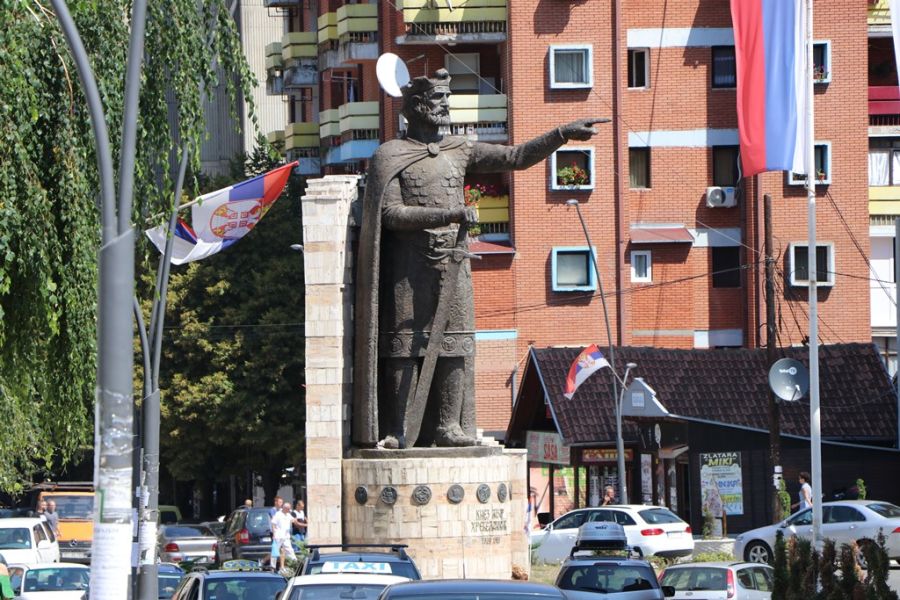
“This discrepancy undermines the transformative potential of the accession process and contributes to mounting public disillusionment. In several Western Balkan states, declining trust in the EU is further exacerbated by domestic anti-EU narratives sometimes propagated even from official institutions, as in the case of Serbia – narratives that are tolerated, if not tacitly accepted, by Brussels. As a result, Serbian citizens exhibit the lowest level of trust in the EU compared to the rest of the region, with the most recent Eurobarometer showing a level of trust at just 37%”, Policy Brief said.
In the Policy Brief, it is stressed that North Macedonia is the most striking example of unreciprocated reform. After resolving the decades-long name dispute with Greece and making sustained progress, Skopje was still denied the opening of EU accession talks, first by France and then by Bulgaria.
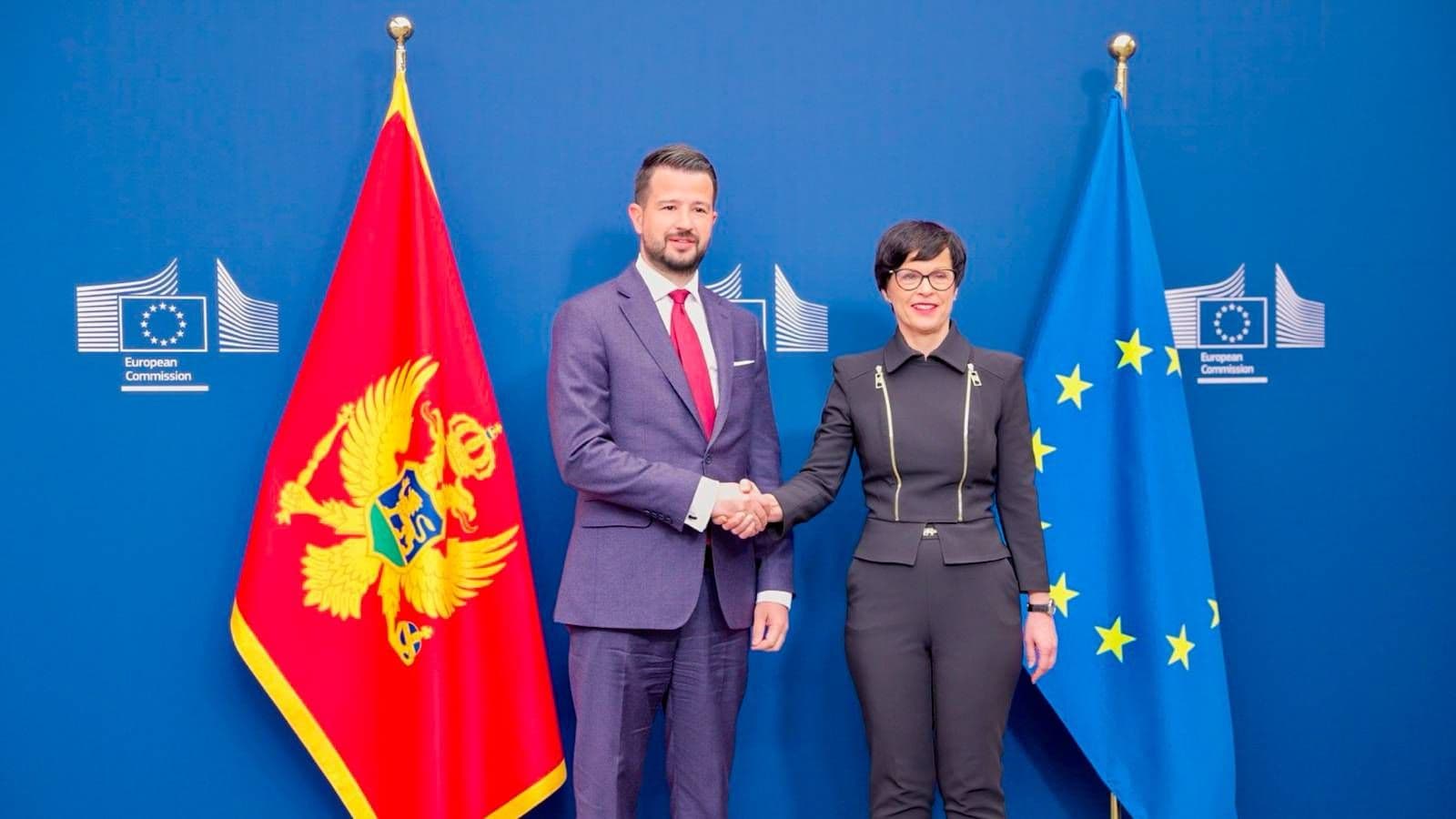
The Policy Brief outlines a set of recommendations to restore the EU’s credibility, including fast-tracking membership for frontrunners like Montenegro and Albania, strict rule-of-law benchmarks, and greater inclusion of civil society.
Among the key proposals is a 2029 accession deadline for qualifying countries, contingent on measurable progress such as convictions in high-level corruption cases, reforms in judicial appointments, and alignment with EU foreign and visa policy.
To ensure accountability, Policy Brief suggests a peer-review certification process and post-accession safeguard mechanisms that could suspend funds or voting rights in cases of backsliding.
The Policy Brief also recommends applying the “Montenegro model” to other candidate countries through structured, reform-based roadmaps tied to benefits like EU market access or observer status.
“These roadmaps should define phased benefits (e.g. market access, programme participation, observer status in EU institutions) linked to milestone achievements towards full membership. Include post-accession safeguards to ensure that backsliding can trigger temporary suspensions of funds or rights”, the Policy Brief recommends.
To protect the enlargement process from national political interference, Policy Brief calls on the EU to decouple accession talks from bilateral disputes and to enforce governance due diligence on deals involving raw materials, energy, and defense.
Finally, the author stresses that civil society must be empowered, not sidelined.