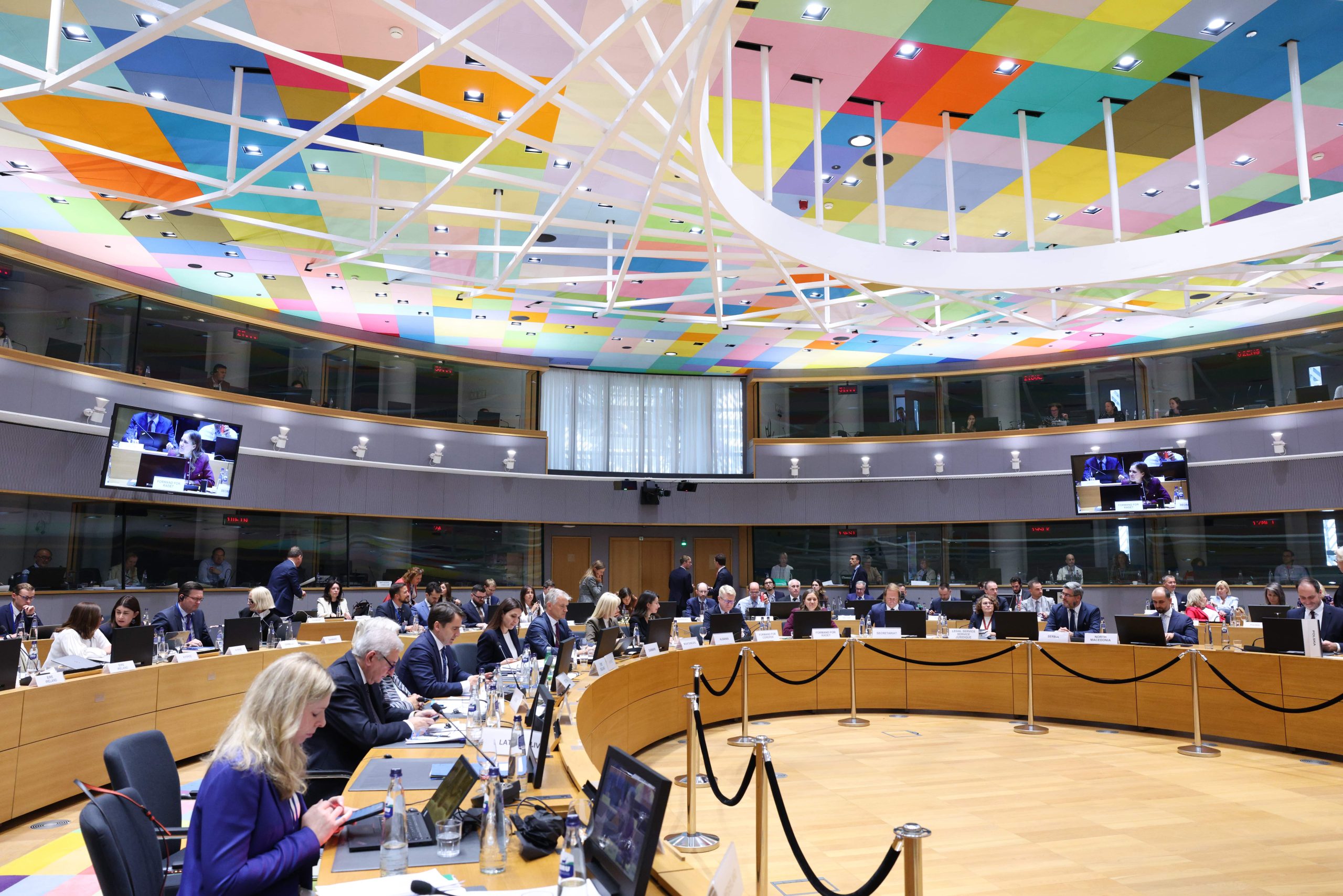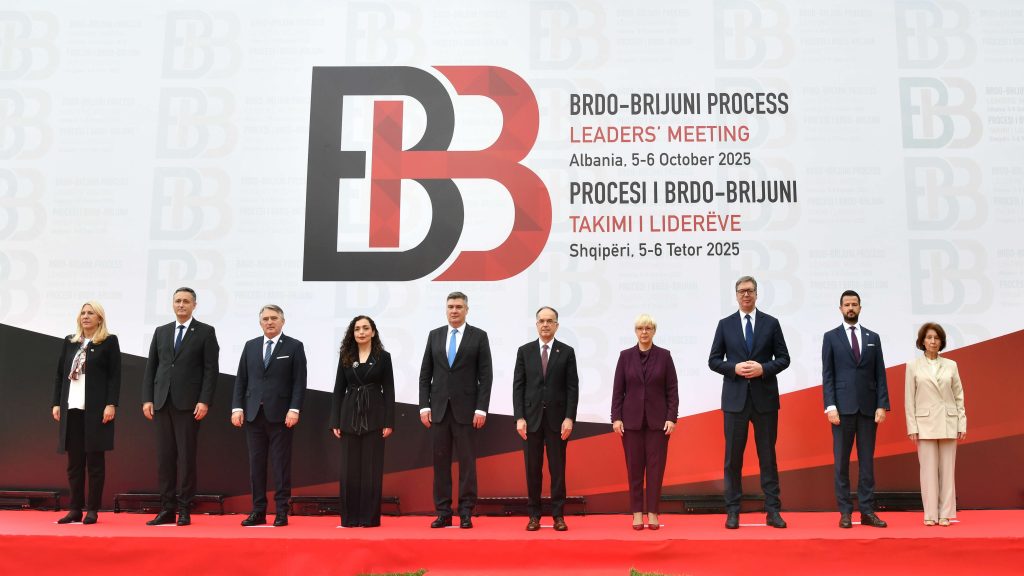
DURRËS – At today’s 14th Brdo-Brijuni Process Leaders’ Summit meeting, the heads of state discussed the European perspective of the region, the strengthening of regional cooperation and common challenges such as climate change, digital security and brain drain. Disagreements could be heard on the sidelines.
The Brdo-Brijuni process includes EU Member States Slovenia and Croatia, and six candidates and potential candidates for EU membership from the Western Balkans.
The host of this year’s summit, Albanian President Bajram Begaj, stated that the strategic goal of his country is to open the final negotiating cluster by the end of this year.
“Albania’s aspiration to join the European Union is not just a political goal, but a national mission. Albania aims to complete technical negotiations by 2027 and become a full member by 2030,” Begaj said.
The presidents of Slovenia and Croatia disagree over the unanimity rule
The Slovenian President and co-chair of the Brdo-Brijuni Process Nataša Pirc Musar said this initiative “builds a space for dialogue” and called for faster and more efficient integration of Western Balkan countries into the EU, Hina reports.
The EU rule is that every step in the enlargement process requires consensus, meaning any member state can veto at any time. Pirc Musar said that Slovenia, together with Germany, advocates for the use of a qualified majority to open specific negotiating clusters or chapters.
“I hope all 27 member states will understand the need to accelerate the process. It takes two to tango,” said Pirc Musar, to which her Croatian counterpart Zoran Milanović Milanović responded with disagreement.
“This initiative by Slovenia and Germany and some other countries, as far as I know, does not have the support of the Croatian government, nor mine,” said Milanović.
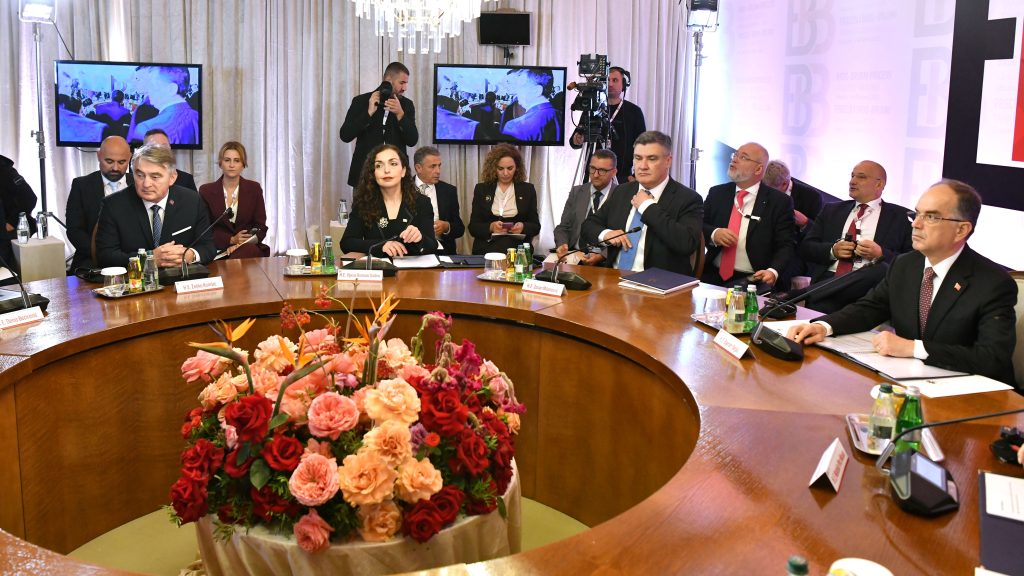
“To me, this is instinctively a way for small countries to defend themselves from much, much larger countries that do not understand us or see us. I see nothing wrong or malicious in the Slovenian idea, but what Germany’s motives are – that’s a topic for another conversation,” the Croatian president said.
Tensions between Osmani and Vučić
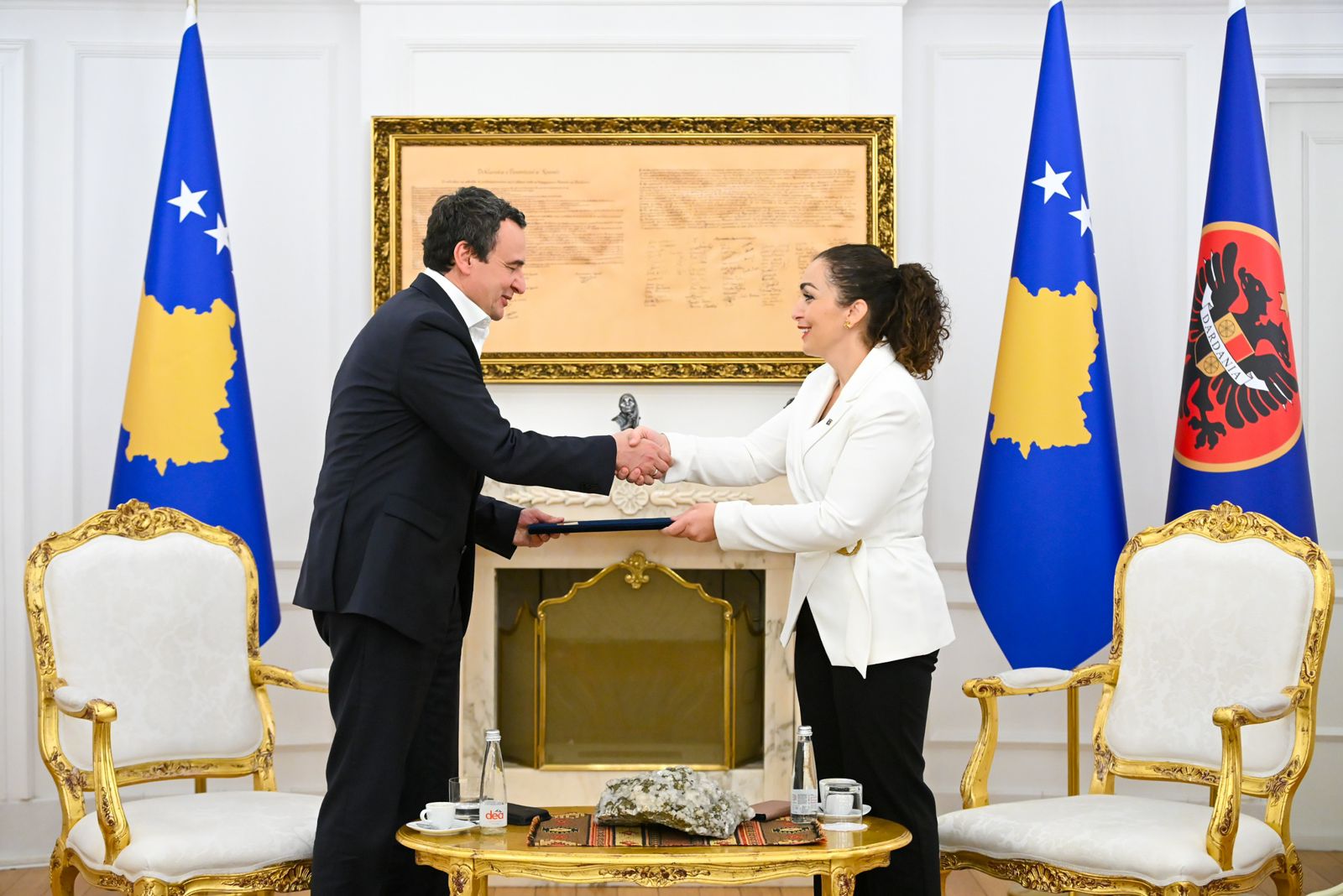
Kosovo President Vjosa Osmani stated after the summit that Serbian President Aleksandar Vučić attempted to disrupt the meeting by using insults and arrogance.
“In the end, we managed to unanimously adopt a joint declaration and, of course, for every piece of propaganda Vučić intended to present to the participants, we as the Republic of Kosovo had strong arguments on the side of justice, strengthened and supported by international law through decisions of the International Court of Justice,” Osmani said, as reported by Koha.
Osmani emphasized that Vučić had objections to the Kosovo-Albania-Croatia agreement in the field of defense.
“He received our joint confirmation that this represents cooperation aimed at our defense. My response was that in our entire history as a nation, we have never attacked anyone, never occupied anyone, but have always defended ourselves and will continue to defend ourselves and our territorial integrity,” Osmani said.
Serbian President Aleksandar Vučić told the media that there was a clash with the President of Kosovo during the discussion on territorial integrity, which, in his words, everyone interprets as they wish, Radio Free Europe reports.
“Imagine Vjosa Osmani coming and talking about territorial integrity and defending territorial integrity. It makes your stomach turn, and everyone hears it and nods their heads… So I reminded her of her tourism days at the United Nations, wished her more tourism in her life, and that’s it,” Vučić said.