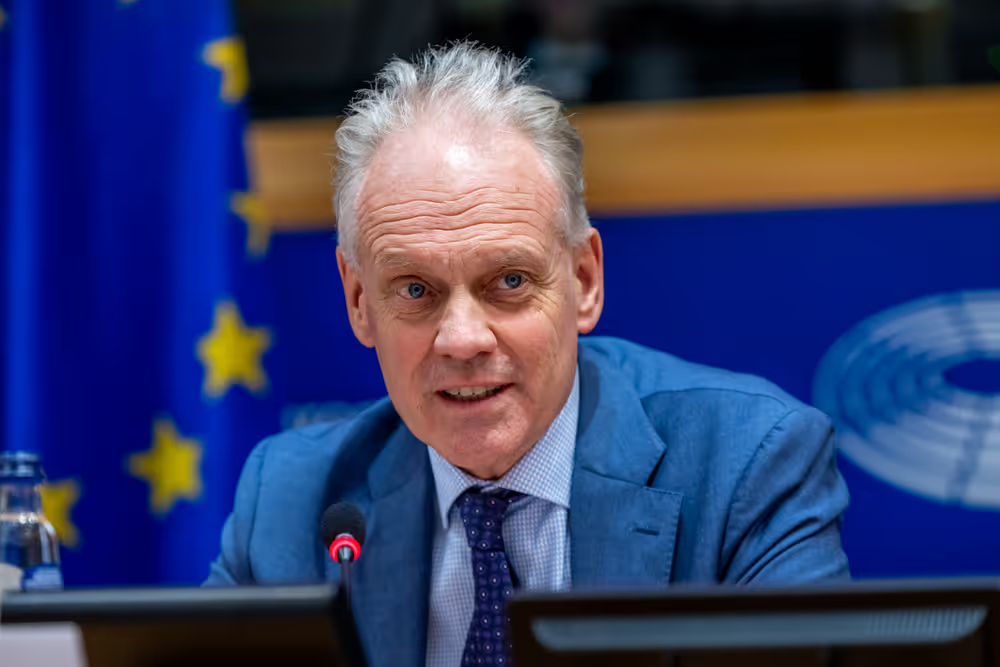
BRUSSELS – According to Gert Jan Koopman, Director-General of the European Commission’s Directorate-General for Enlargement and Eastern Neighbourhood, Albania and Montenegro achieved the best results when it comes to meeting the criteria necessary for obtaining funds from the EU Growth Plan for the Western Balkans, while Serbia and North Macedonia “implemented reforms more selectively”.
Finally, Kosovo and Bosnia and Herzegovina, due to internal difficulties, have not been paid pre-financing yet.
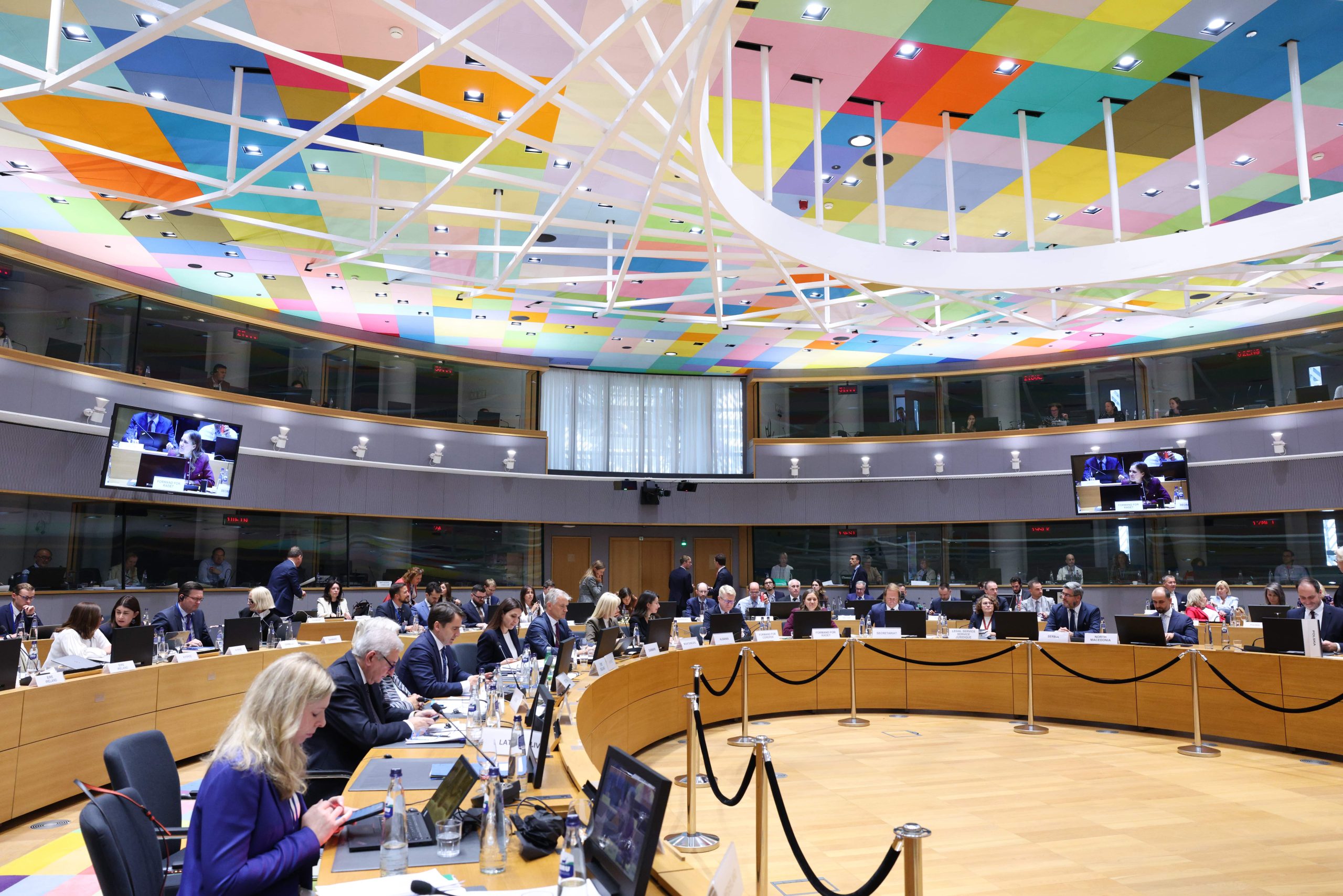
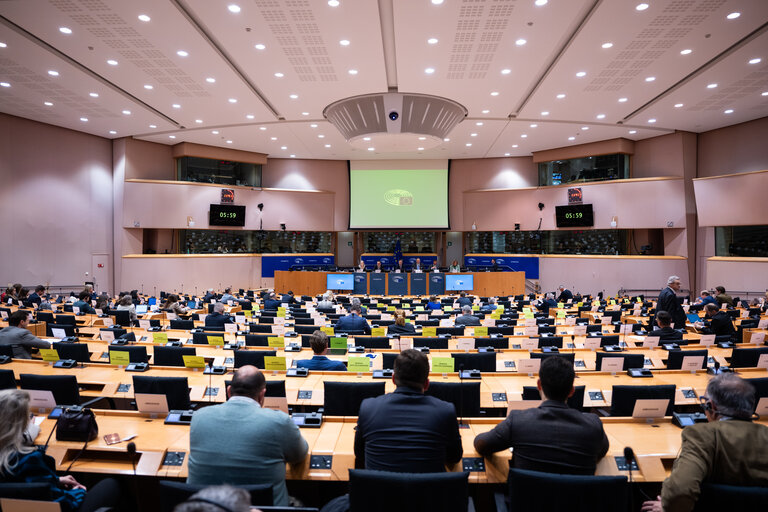
Speaking to the members of the European Parliament’s Committees on Foreign Affairs and Budgets, Koopman said that there are differences between the Western Balkans Six when it comes to the implementation of the steps from the Reform Agendas.
“In the first category are Albania and Montenegro, which are essentially working on the implementation of all reforms, in the second are Serbia and North Macedonia, which were more selective, which led to lower results when it comes to reforms, but recently there have been indications that this pace of implementation could be accelerated in these countries, as well”, Koopman said.
“The payment depends solely on the implementation of steps from reform agendas”
He noted that 2025 was very important for the implementation of the Growth Plan, as so far about 453 million euros have been paid to partners from the Western Balkans.
“I recall the basic principle: the payment depends solely on the implementation of steps from reform agendas, including reforms in the domain of the rule of law”, Koopman stressed.
He also pointed out that the implementation of about 85 per cent of the measures from the reform agendas, which were envisioned to be implemented by December 2025, is underway, while about 38 per cent of the measures are fully fulfilled, which he described as a good result.
Koopman recalled that the Growth Plan “facilitates the integration into the Single Market, on one hand, but also, it is an important instrument to drive forward the accession process, as many of the steps in the reform agendas are based on the fundamentals”.
Answering the questions by some MEPs about numerous challenges regarding the rule of law and the state of democracy in Serbia, Koopman assessed that the criteria for obtaining funds from the Growth Plan are “very clear”, and that “the country has implemented few steps from its Reform Agenda related to the rule of law”, while the steps that have been implemented “mainly relate to the social-economic domain”.
According to media reports, after a seven-month delay, the European Commission decided this week to make available to Serbia 57 million Euros, representing the first instalment under the Reform and Growth Plan for the Western Balkans, for reforms implemented in the second half of 2024.
RTS reported that the European Commission assessed that out of the 7 planned reform steps in 2024, Serbia implemented 3.
So far, the European Commission has assessed that Albania has implemented 21 reforms, Montenegro 12 and North Macedonia 6.