BRUSSELS – At an online meeting, held on 3 February, representatives of several directorates of the European Commission, responsible ministers of the Western Balkan countries, and representatives of the transport organisations from the region confirmed that it is urgent to find a solution for the problems faced up with the professional truck drivers. RTS reported that the European Commission had scheduled a new meeting for the second week of the February, to present a transitional model.
In addition, N1 reported that the participants of the meeting agreed to establish a working group which should prepare a “concrete solution proposal”.
It had been earlier reported by N1 that the European Commission proposed that truck drivers, athletes and touring artists should not be treated as tourists, but should be allowed to stay in the EU for an extended period of time.
The proposal envisioned that they would be exempted from the rule of residence in the territory of the Schengen Area for a maximum of 90 days within 180 days, with strict controls.
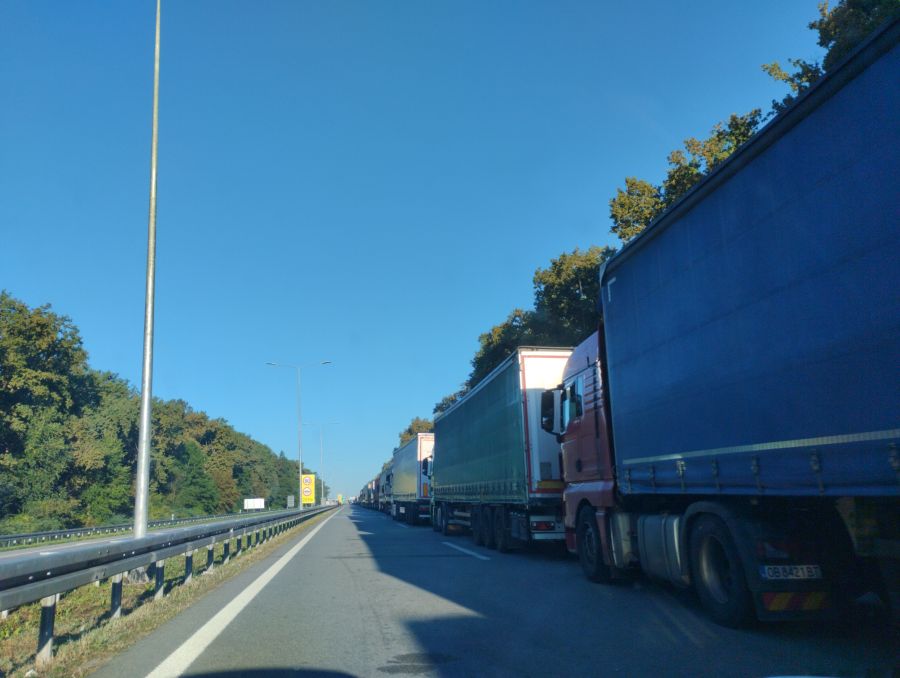
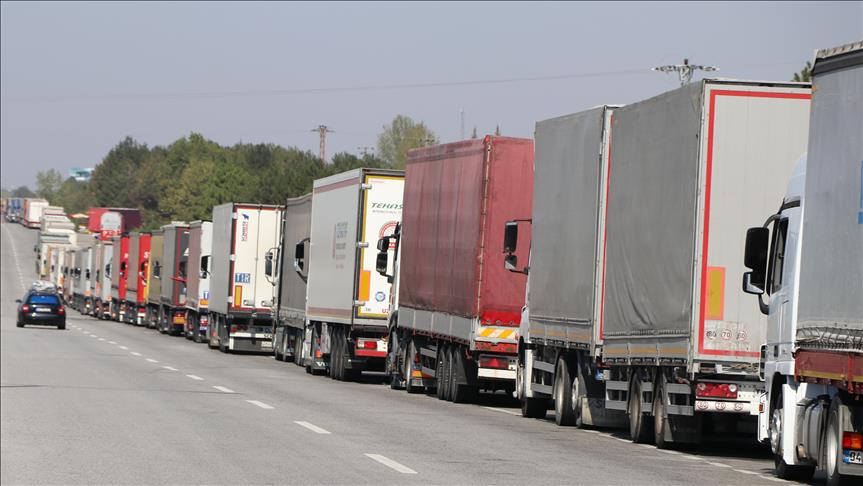
Last week, truck drivers from Bosnia and Herzegovina, Montenegro, North Macedonia and Serbia blocked the freight border terminals towards the Schengen Area to protest the new EU Entry-Exit system (EES), which has been gradually implemented since October 2025. The blockade lasted for several days.
Transport associations from the four countries in the region claim that the ESS “threatens their ability to work”, since a maximum stay of 90 days in the Schengen Area over a period of 180 days “is not sufficient for professional truck drivers from non-EU countries”.
N1 cited Neđo Mandić, President of the “International Transport” Business Association, who said that it would take one and a half year to reach the final decision on the length of stay of professional truck drivers from the Western Balkan countries in 29 European countries.
“When the proposal for the final solution is adopted, it is necessary to adopt a law that will regulate the length of stay of professional drivers in 29 European countries, then this law should be adopted by each country and the plan for the implementation should be made. So, given the procedures in the EU, it would be good if it is completed in a year or two”, Mandić noted.
He added that there are “five proposals for a transitional solution, but the essence is not to arrest and deport truck drivers, from certain countries, when they exceed the allowed length of stay in that zone, but to allow them to finish the transport”.
Today, the European Commission told N1 that the application of the EES would not be delayed, as it had been claimed by some media outlets in Serbia.
“The gradual application of the EES will end on 9 April. However, the EES regulation already provides for some flexibility for the member states”, the EC stated.
The EC clarified that it implies that by 10 April 2026 all member states must “start to fully enforce the EES at all border crossings, and register all third-country nationals crossing the borders”.