BRUSSELS – At the intergovernmental conference scheduled for mid-December, Montenegro is expected to close at least five negotiating chapters, the European Western Balkans portal has learned. In contrast, Serbia is not expected to make any progress in its accession talks by the end of the year.
Following the meeting of the Council of Ministers, an intergovernmental conference with Montenegro is expected to take place.
According to EWB sources, the exact number of chapters to be closed will be confirmed after the COREPER meeting on 12 December.
Under EU procedures, the fulfilment of criteria for closing negotiating chapters is first assessed by the Council Working Group (COELA), then by the Committee of Permanent Representatives of member states (COREPER II), and finally the evaluation is passed to the ministerial level – the ministers within the Council of the EU for General Affairs.
As reported today by the Montenegrin outlet Vijesti, the chapters expected to be closed are: Chapter 3 (Right of Establishment of Companies and Freedom to Provide Services), Chapter 4 (Free Movement of Capital), Chapter 6 (Company Law), Chapter 11 (Agriculture and Rural Development), and Chapter 13 (Fisheries).
Regarding Chapter 31 (Foreign, Security, and Defence Policy), which Croatia blocked at the end of last year, Montenegrin authorities do not expect Zagreb to give the green light for its closure this time.
Serbia again without opening Cluster 3
Serbia is not expected to open Cluster 3 in its EU accession talks by the end of the year, as there is currently no consensus among member states on this matter, EWB has learned from sources in Brussels. The last time Serbia made progress in the accession negotiations was in December 2021.
This situation mirrors the one at the end of last year, when Serbia also attempted to persuade EU member states to open Cluster 3. At that time, consensus was not achieved either.
For several years, the European Commission has assessed that Serbia is technically ready to open the cluster, but the decision rests with EU member states.
Last year, in an effort to appease member states, the Serbian government committed to implementing additional reforms outlined in the so-called “non-paper.” Some of these reforms, such as the appointment of the Council of the Regulatory Authority for Electronic Media (REM), have not yet been completed.
Additionally, unofficial sources have repeatedly indicated that determining accountability for the Banjska case remains a condition for some EU member states to give the green light to Serbia.
Other conditions in the “non-paper” relate to reforms in the rule of law and democracy, as well as aligning Serbia’s foreign policy more closely with the European Union.
Serbia’s accession framework with the EU, adopted when negotiations began in 2014, stipulates that a lack of progress in Chapters 23 and 24, which cover the rule of law, can slow down the entire accession process. Again, the decision lies with EU member states.
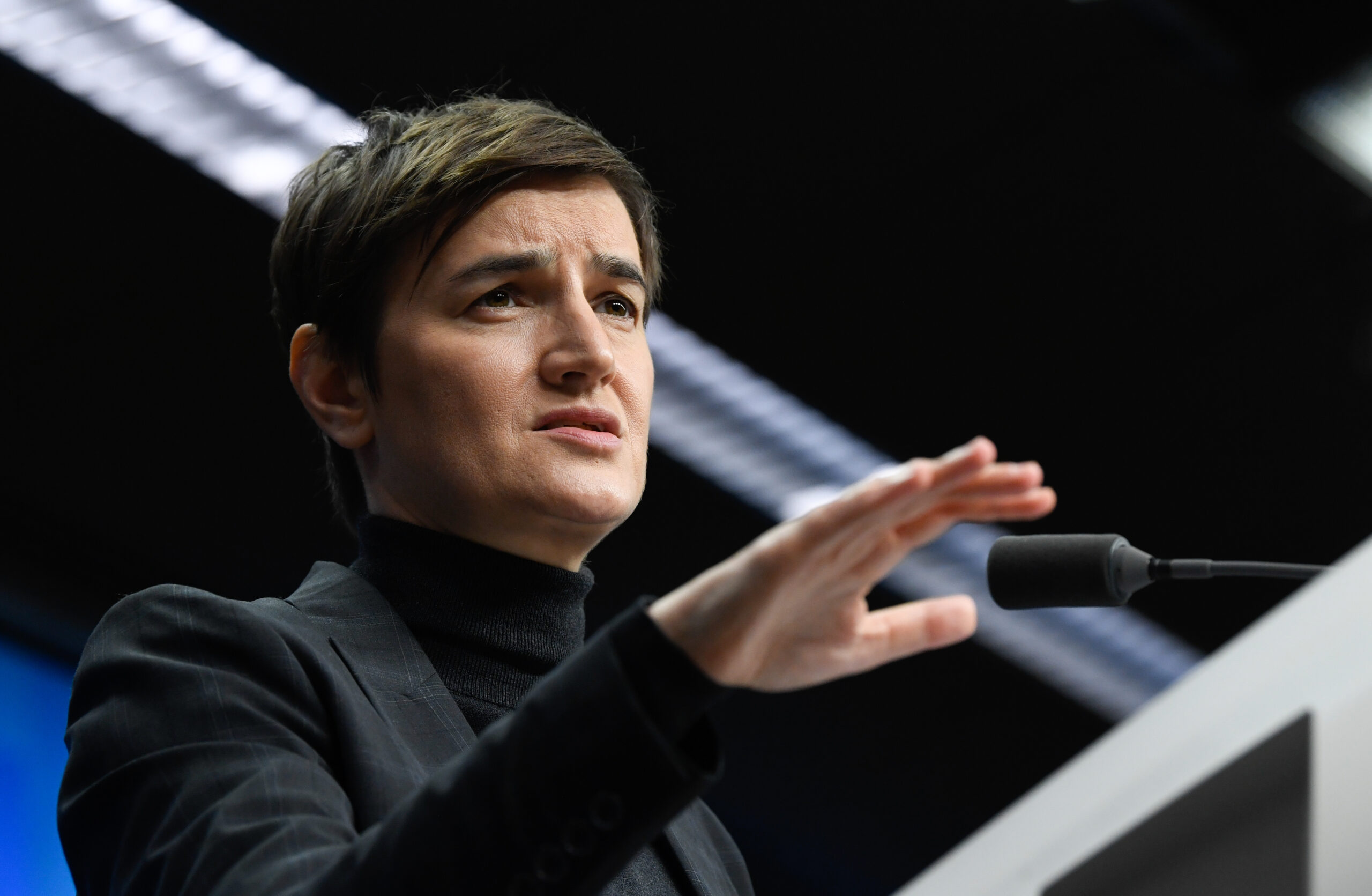
Yesterday, Speaker of the National Assembly Ana Brnabić stated that she does not expect Cluster 3 to be opened for Serbia. This statement contrasts with the more optimistic messages voiced in recent months by various government officials.