BELGRADE – “The visit by the Committee on Foreign Affairs of the European Parliament to Serbia took place at a timely moment, reaffirming firm commitment to democratic Serbia’s EU membership prospects, meetings with various stakeholders confirmed the very polarised political landscape in Serbia”, notes the report following the ad hoc mission of the AFET to Serbia, which took place from 22 to 24 January 2026.
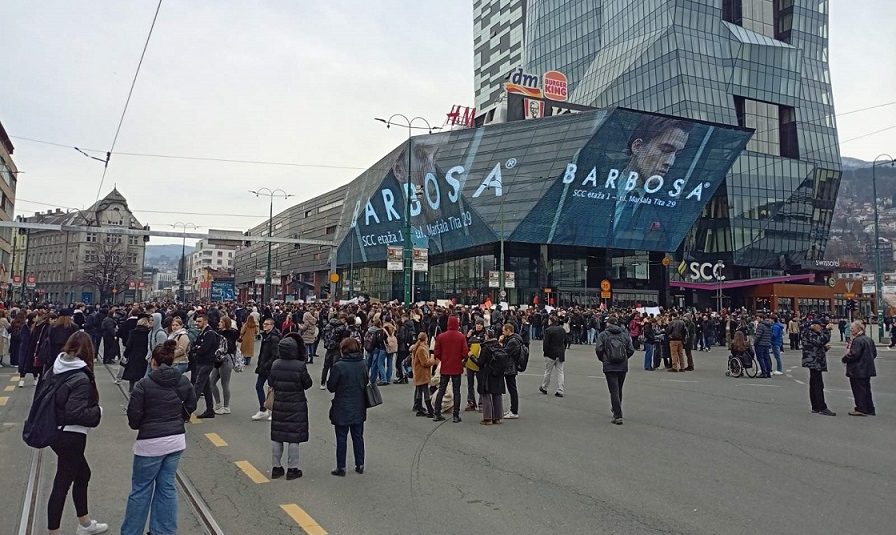
The mission was set up as a follow-up to the EP resolution on polarisation and increased repression in Serbia, adopted on 22 October 2025, asking ”to assess, on the ground, the state of democracy, the ongoing protests, attacks on demonstrators and repression targeting students, academics, educators and public-sector employees”.
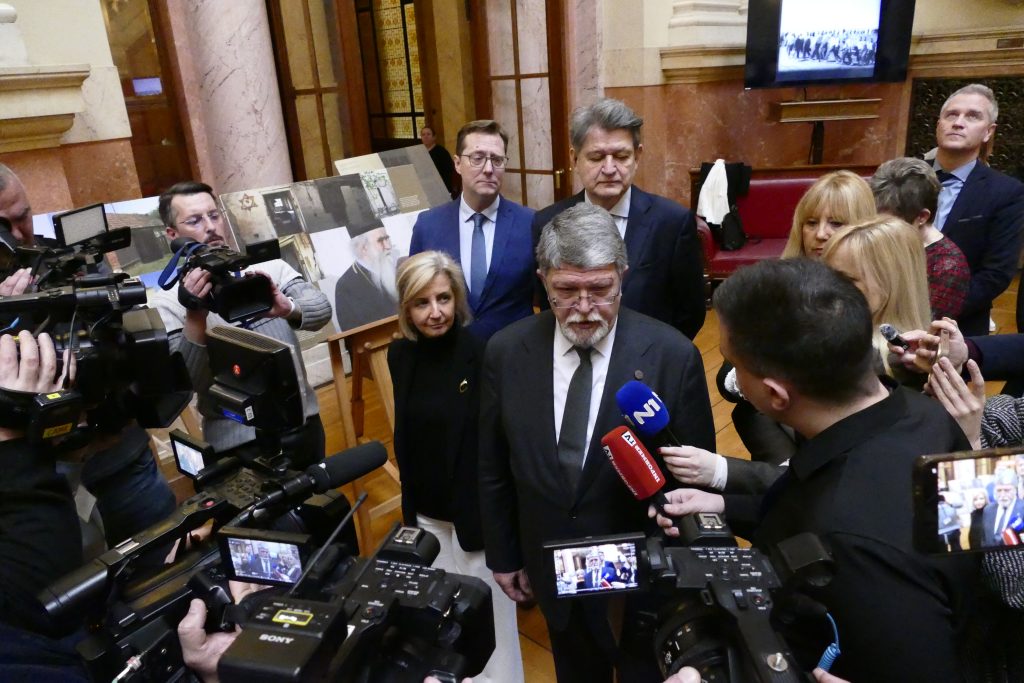
The visit of the AFET members to Belgrade triggered a harsh reaction from Serbian high officials, including President Aleksandar Vučić and Speaker of the Parliament Ana Brnabić. They claimed that the MPs were coming to the country “uninvited”, stressing that they had no intention of meeting the delegation from Brussels.
The report states that during the visit, MEPs engaged with parliamentary and government representatives in Serbia to take stock of the country’s ongoing efforts in the area of EU accession, and to discuss further reforms needed to move the process along.
MEPs also held meetings with representatives of media, civil society organisations, think tanks, academia and students to discuss the state of rule of law and democracy in Serbia.
In meetings with Serbian counterparts, MEPs reaffirmed their firm commitment to democratic Serbia’s EU membership prospects. They stressed that EU accession is a merit-based process rooted in respect for democracy, the rule of law, fundamental rights, media freedom and judicial independence, as well as full alignment with the EU’s Common Foreign and Security Policy.
MEPs expressed solidarity with Serbian citizens, students and civil society actors who are exercising their democratic rights and calling for accountability, transparency and institutional responsibility.
They also called on the authorities to ensure urgent, impartial and transparent investigations into all allegations of unnecessary and disproportionate use of force and unlawful surveillance of protesters.
In addition, MEPs received concerning reports of financial, administrative and physical pressure on academic staff and restrictions of media freedom.
MEPs expressed concerns regarding judicial reforms debated in the National Assembly, which risk undermining judicial independence. The delegation also discussed issues related to electoral integrity and the need for thorough implementation of all outstanding OSCE/ODIHR recommendations.
The report stresses that the visit also provided an opportunity to reiterate its support for the Serbian people and institutions in advancing reforms, provided that commitments are translated into measurable and sustainable progress, particularly in the area of the rule of law.
In conclusion, it states that the AFET Committee “will continue to closely monitor political developments in Serbia, including the challenges in fundamental freedoms and civic space, which together with the insights gathered during the visit will inform the work on the upcoming annual country report on Serbia’s accession process in the context of the Enlargement package 2025”.