Driven by geopolitical concerns, current EU enlargement debates focus on shifting from slow, traditional accession to faster, flexible models, primarily aimed at Western Balkan countries and Ukraine. Analysts state for EWB that the so-called “gradual integration” is a realistic approach, as it would allow the candidate countries to join specific EU policies and market areas, based on their reform performance, before joining the Union. However, it is feared that such a model would not fully address the geopolitical urgency for the enlargement.
Adi Ćerimagić, a senior analyst at European Stability Initiative (ESI), notes that “the debate on reforming the European Union accession process was triggered by the public request of Volodymyr Zelenskyy for a concrete and binding date for Ukraine’s membership”.
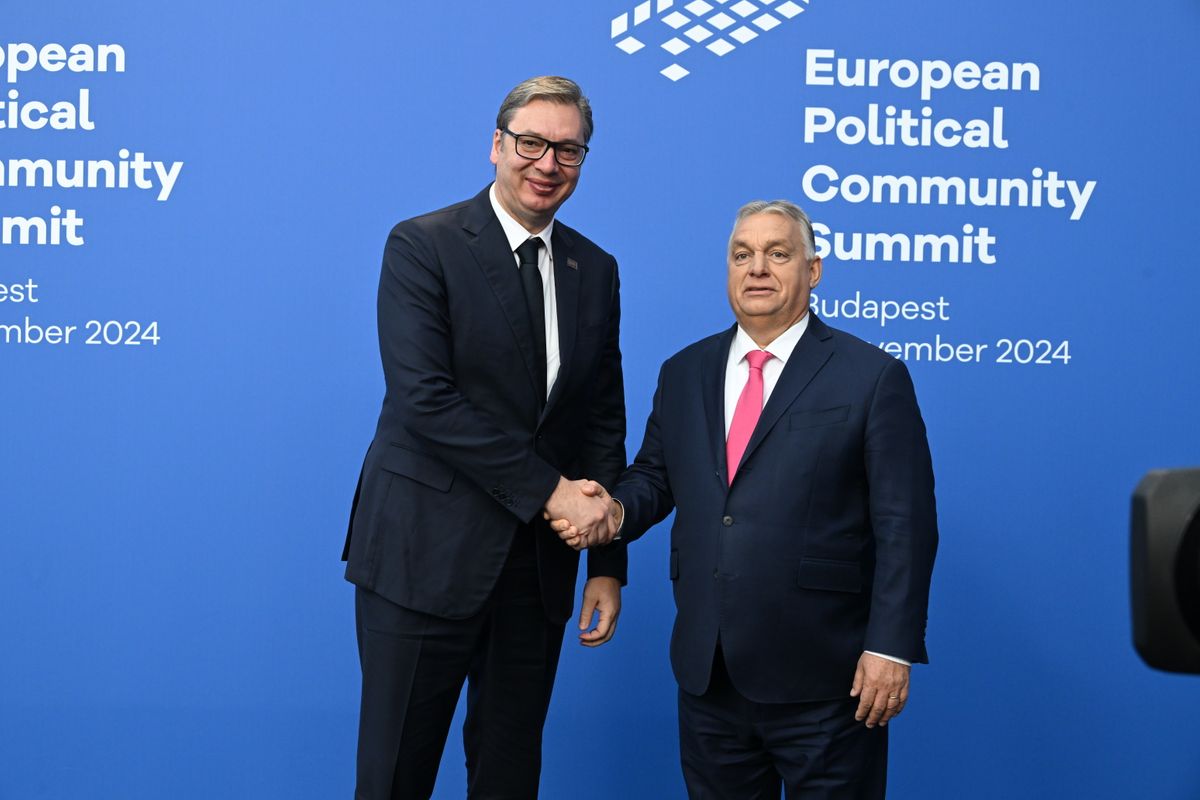
“The request reflects a deeper political problem: declining Ukrainian trust that the Union will actually deliver enlargement. This scepticism is reinforced by repeated political blockages inside the Union, including those by leaders such as Viktor Orbán. At the same time, Ukraine is still far from meeting the requirements for membership, and accession depends on numerous unanimous decisions by member states over many years. No EU institution can credibly guarantee a quick membership date. The political pressure created by this situation prompted some actors in Brussels, including the European Commission, to explore possible reforms of the accession process”, Ćerimagić remarks.