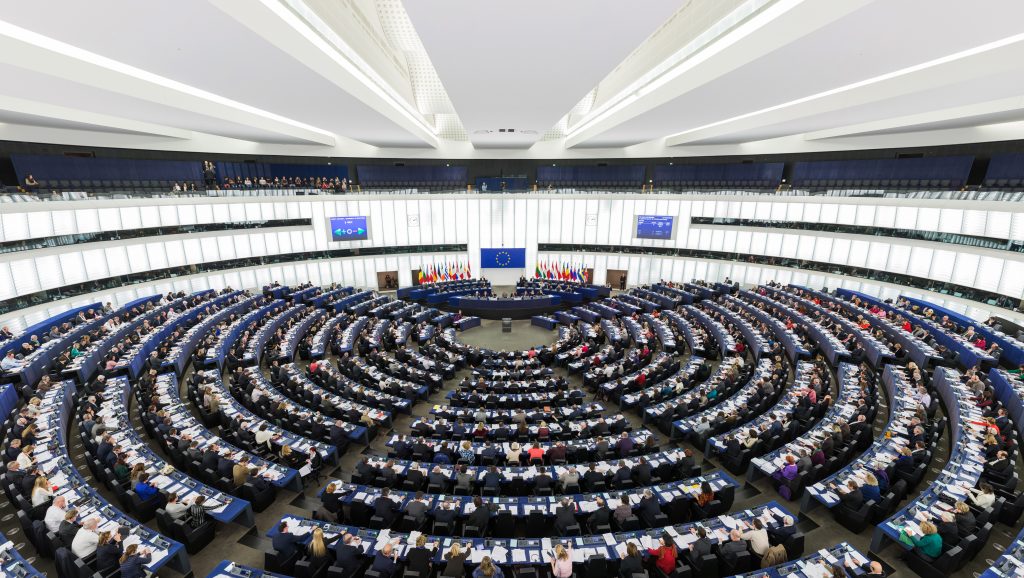
STRASBOURG – In a report on the EU enlargement strategy, adopted today, members of the European Parliament state that the EU enlargement is a strategic response to the evolving geopolitical reality and a vital investment in the EU’s security and stability. The document, drafted by Petras Auštrevičius, a Member of the Renew Europe group at the European Parliament, was adopted with 385 votes in favour, 147 against and 98 abstentions.
The document calls on EU institutions to maintain the momentum of the process and to remove internal obstacles while strictly upholding a predictable and merit-based accession procedure.
In addition, Parliament argues the cost of non-enlargement would exceed that of new members joining the EU, risking the creation of geopolitical grey zones vulnerable to antagonistic foreign influence.
It stresses that enlargement is “a win-win” for both current and future member states. It also highlights the political urgency for the EU to demonstrate commitment to the process, underscoring that enlargement will strengthen European security.
“EU enlargement must go hand in hand with internal reforms to safeguard the EU’s functioning and improve decision-making processes, including the greater use of qualified majority voting. The EU must complete these reforms by the time frontrunner candidates fulfil membership criteria and are prepared for EU accession”, Auštrevičius said.
Also, the document commends Montenegro and Albania “for their significant progress, noting their ambitions to conclude negotiations by the end of 2026 and the end of 2027, respectively”.
The report states that the EU accession is a key instrument for promoting democracy, the rule of law, and respect for fundamental rights, as well as representing an important anchor for fostering regional reconciliation and stability, increasing resilience, and protecting candidate countries from malicious foreign interference.
It stresses that the rule of law, democratic reforms, media freedom, and respect for fundamental rights, including minority rights, must remain at the core of the enlargement process.
Judicial independence, the fight against corruption, and the inclusion and support of civil society are identified as key prerequisites for progress toward EU membership, especially at a time of growing authoritarian tendencies.
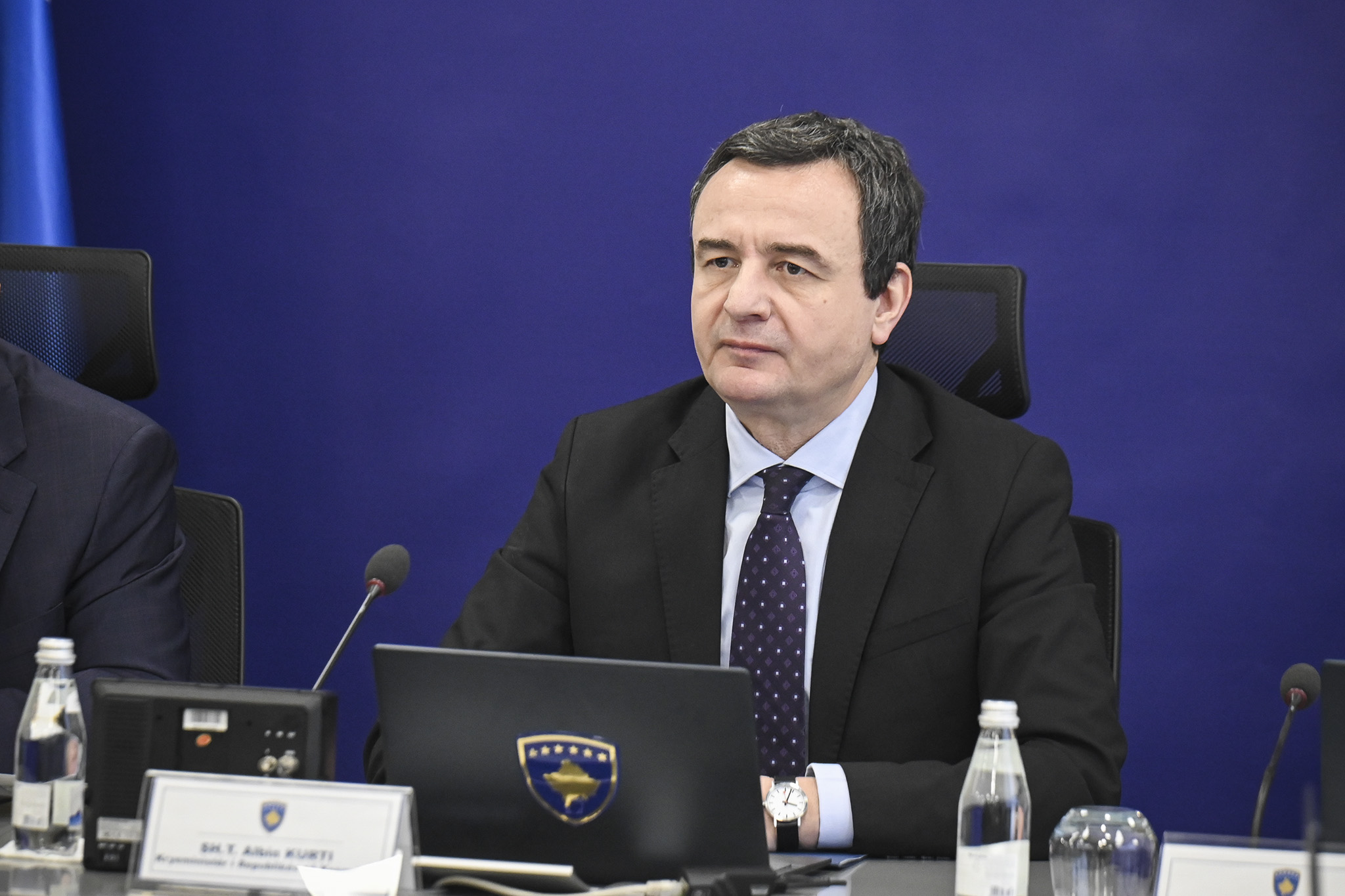
In addition, it emphasises that regional cooperation, particularly in the Western Balkans, is a prerequisite for EU accession, and underlines the importance of the Belgrade-Pristina Dialogue, “which is crucial for Serbia and Kosovo to advance on their respective European paths and will contribute to regional stability and prosperity”, as well as the importance of continued good-faith implementation of the Prespa Agreement between North Macedonia and Greece and the Treaty of Friendship, Good Neighbourliness and Cooperation between North Macedonia and Bulgaria, in line with the EU negotiating framework.
Alignment with the EU’s common foreign and security policy is also highlighted as an important indicator of a candidate country’s commitment to the Union’s core values and principles and its readiness for future membership.
Marta Kos: Countries joining the EU must be strong and resilient democracies
During the discussion about the document, held on Tuesday, Marta Kos, European Commissioner for Enlargement, remarked that “countries vulnerable to Russia’s toxic influence cannot become EU members”.
“There are no Trojan horses. Countries that would undermine us from within cannot become members of the EU. We must be absolutely certain about that. Countries joining the EU must be strong and resilient democracies capable of resisting the toxic influence of Russia and others,” Kos said in the European Parliament, it was reported by Bgnes news agency.
She said that insisting on the rule of law as a key priority inevitably strengthens the credibility of the EU enlargement process. Therefore, Kos warned that no shortcuts will be allowed in the process of European integration or in the implementation of reforms. A specific warning was directed at the countries considered to be leaders in the accession process.
“A leading position in the accession process does not guarantee any special status… This refers precisely to the countries that have progressed the most toward EU membership – Montenegro, Albania, Ukraine, and the Republic of Moldova… Progress must continually be earned through reforms”, Marta Kos stated.
According to her, enlargement remains a merit-based process, rooted in a steadfast commitment to democracy, rule of law and fundamental rights.
“There can be no compromise on the rule of law, democracy, fundamental rights, nor or alignment with our Common Foreign and Security Policy”, Kos remarked.