BELGRADE – “Democracy continues to lose ground” – this is the central finding of the Bertelsmann Stiftung’s Transformation Index 2026. According to the Index, 56% of the 137 countries assessed are governed autocratically, including Serbia. It is stated that “governments in these systems are increasingly repressive toward opposition forces, media and civil society”. When it comes to the other Western Balkan countries, they are classified either as “defective”, or “highly defective” democracies.
BTI analyses and ranks countries on their progress toward constitutional democracy and a socially responsible market economy. It measures the quality of democracy (“political transformation”), economic development (“economic transformation”) and governance (“governance index”), identifying both successes and setbacks in these areas. Scores range from 1 to 10 for each criterion.
Albania ranks best in the region for political transformation
According to the BTI 2026, Albania ranks best in the region, as it scored 7.70 for the political transformation (so-called “defective democracy”), 7.11 for the economic transformation (“advanced”), and 6.71 for the governance (“good”).
The report states that during the review period, Albania accelerated its pursuit of EU membership by opening negotiations on Cluster 1 (Fundamentals) and Cluster 6 (External Relations).
However, it remarks that “as of early 2025, troubling signs have emerged regarding the future of reform”.
“These include inconsistent judicial rulings in high-profile investigations, stagnation in important cases mentioned in previous reports, lack of accountability for members of the judiciary found to possess unjustified assets, and leaks of sensitive investigative data to select political and media organizations”, the document notes.
North Macedonia scored 7.65 for the political transformation (“defective democracy”), 7.18 for the economic transformation (“advanced”), and 6.07 for the governance (“good”).
“The governance was shaped by stalled EU accession talks, which remained blocked by the unresolved dispute with Bulgaria. Corruption allegations against former governing elites continued to undermine institutional trust”, the report notes.
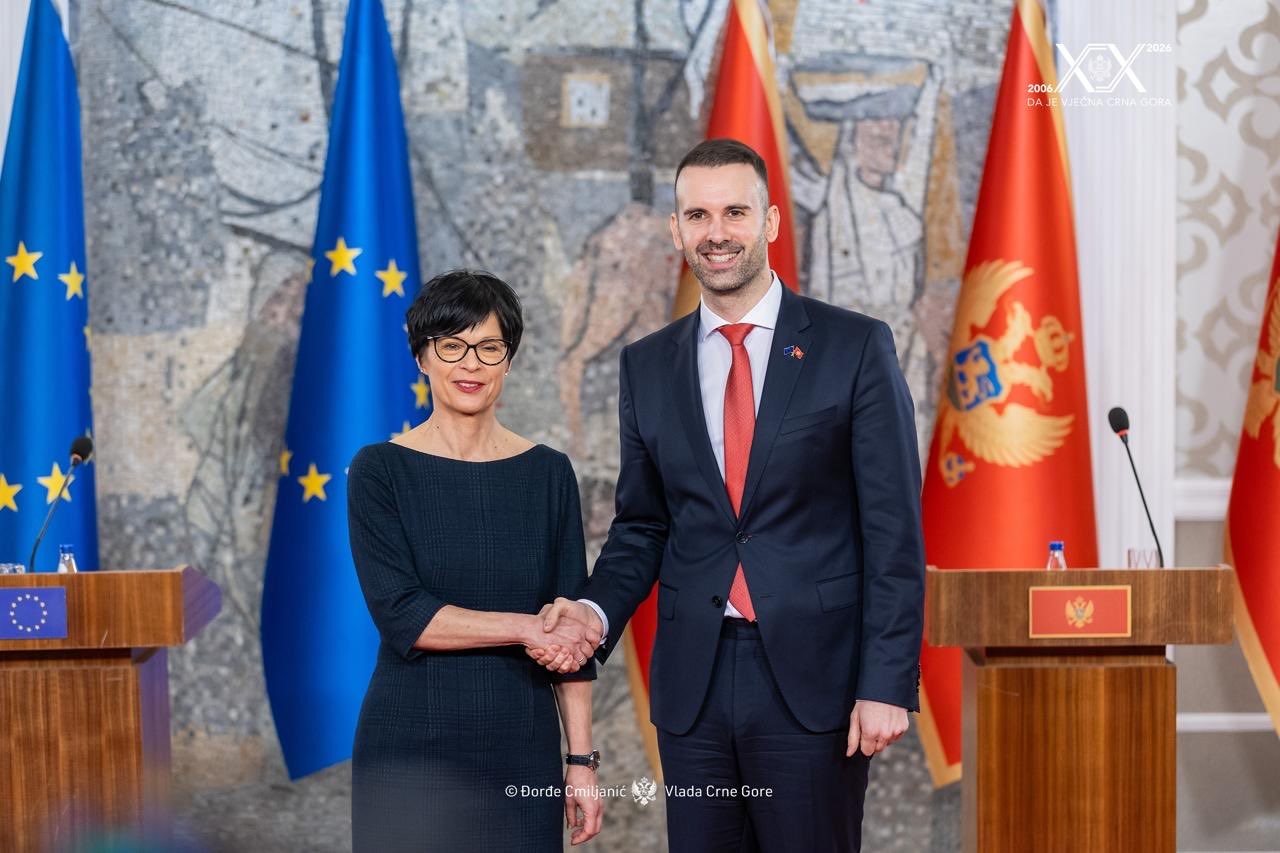
Montenegro scored 7.40 for the political transformation (“defective democracy”), 7.50 for the economic transformation (“advanced”) and 5.90 for the governance (“good”).
According to the BTI 2026, governance in Montenegro improved through overdue judicial appointments and anti-corruption reforms, enabling progress in EU accession talks, however, legislative procedures often sidelined civil society, while tensions with Croatia temporarily hindered regional cooperation and EU negotiations.
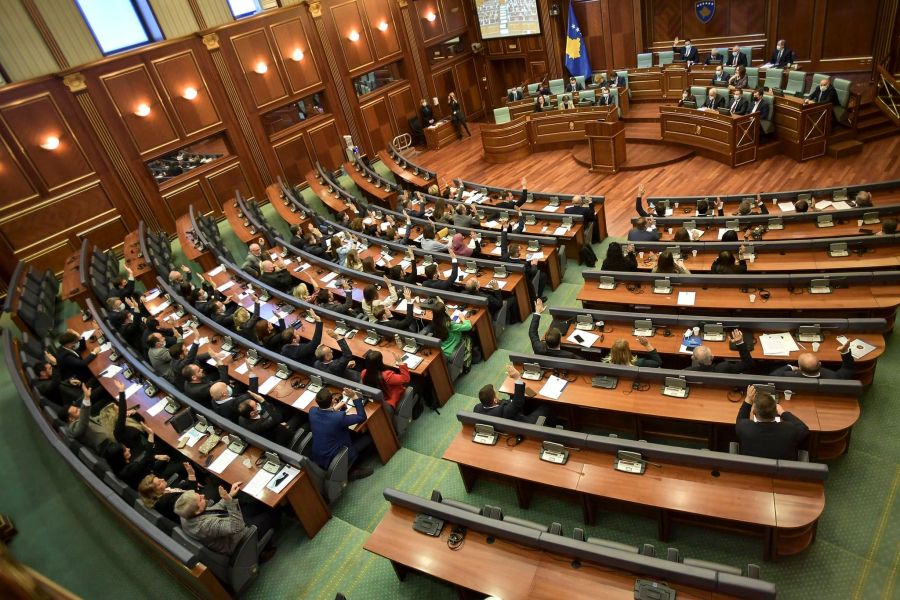
According to BTI, Kosovo scored 6.90 for the political transformation (“defective democracy”), 6.21 for the economic transformation (“limited”), and 4.81 for the governance (“moderate”).
“Governance has been increasingly shaped by security tensions and strained international relations. The unresolved dialogue with Serbia, boycotts by Kosovo Serbs and violent incidents in the north have weakened social integration and diverted policy attention. Kosovo’s assertive approach toward the north has damaged relations with the EU and the United States, delaying international integration and reinforcing contested stateness”, the report states.
Bosnia and Herzegovina “highly defective” democracy, Serbia “moderate autocracy”
Bosnia and Herzegovina scored 5.95 for the political transformation (“highly defective democracy”), 6.57 for the economic transformation (“limited”), and 4.03 for the governance (“weak”).
“Governance remains constrained by entrenched patronage networks across all major parties, weakening institutional effectiveness and restraining reform implementation. Nonetheless, improved legislative output, partial fulfillment of key EU priorities and intensified international engagement contributed to the opening of EU accession talks in March 2024”, the report notes.
Finally, Serbia is the worst-ranked in Western Balkans, as it scored 5.18 for the political transformation (“moderate autocracy”), 6.79 for the economic transformation (“limited”), and 3.96 for the governance (“weak”).
The report underlines that in Serbia, rule of law and media freedom further declined, while political polarization intensified.
“President Aleksandar Vučić and the Serbian Progressive Party dominate the political system, effectively controlling government, parliament and the judiciary despite the president’s largely ceremonial constitutional role. The regime’s manipulation of elections has intensified, leading to opposition boycotts. Parliamentary oversight is weak as it primarily approves legislation in line with the president’s will, while the opposition remains fragmented and under constant pressure”, it remarks.
BTI 2026 adds that in Serbia civil society and independent media face systematic harassment, including smear campaigns, strategic lawsuits and surveillance, while mass protests in 2024–2025 were delegitimized as foreign-backed destabilization efforts.
According to BTI, “governance remains highly centralized and personalized. Policy-making serves political consolidation, and international cooperation stagnates, with EU accession stalled and economic ties with China gaining importance”.
“There is no political will to prosecute corruption as a culture of impunity prevails in government and public administration”, the report stresses.