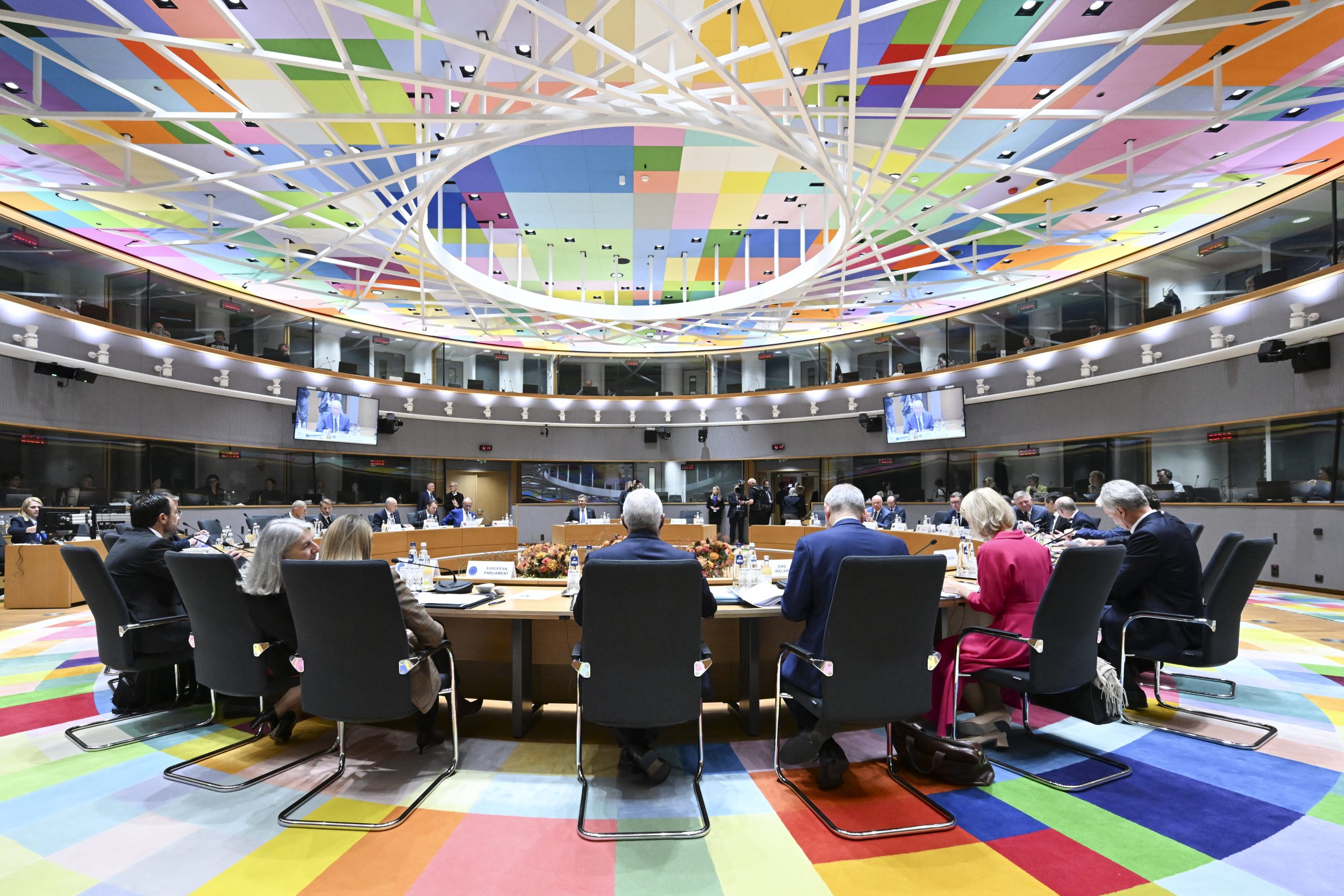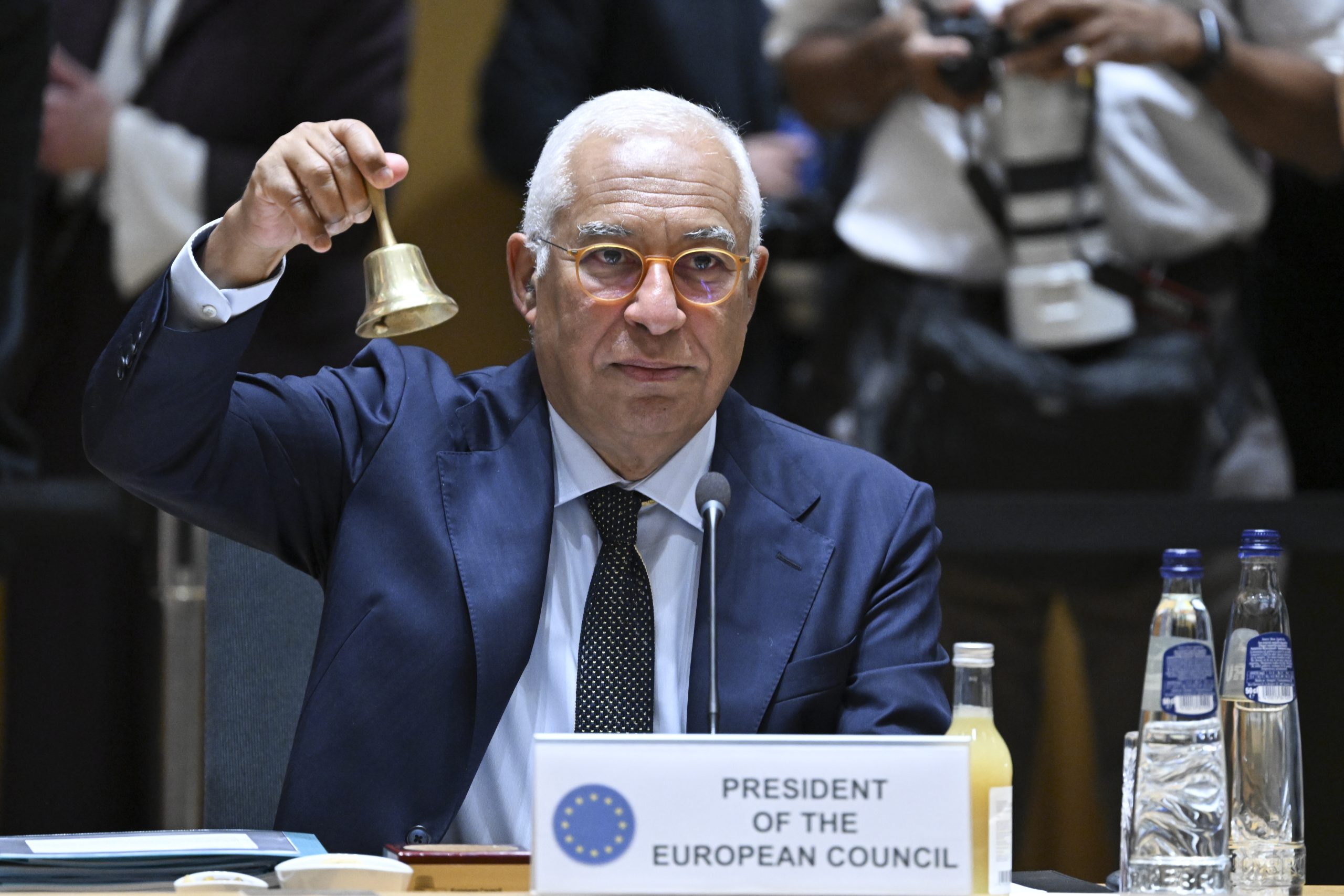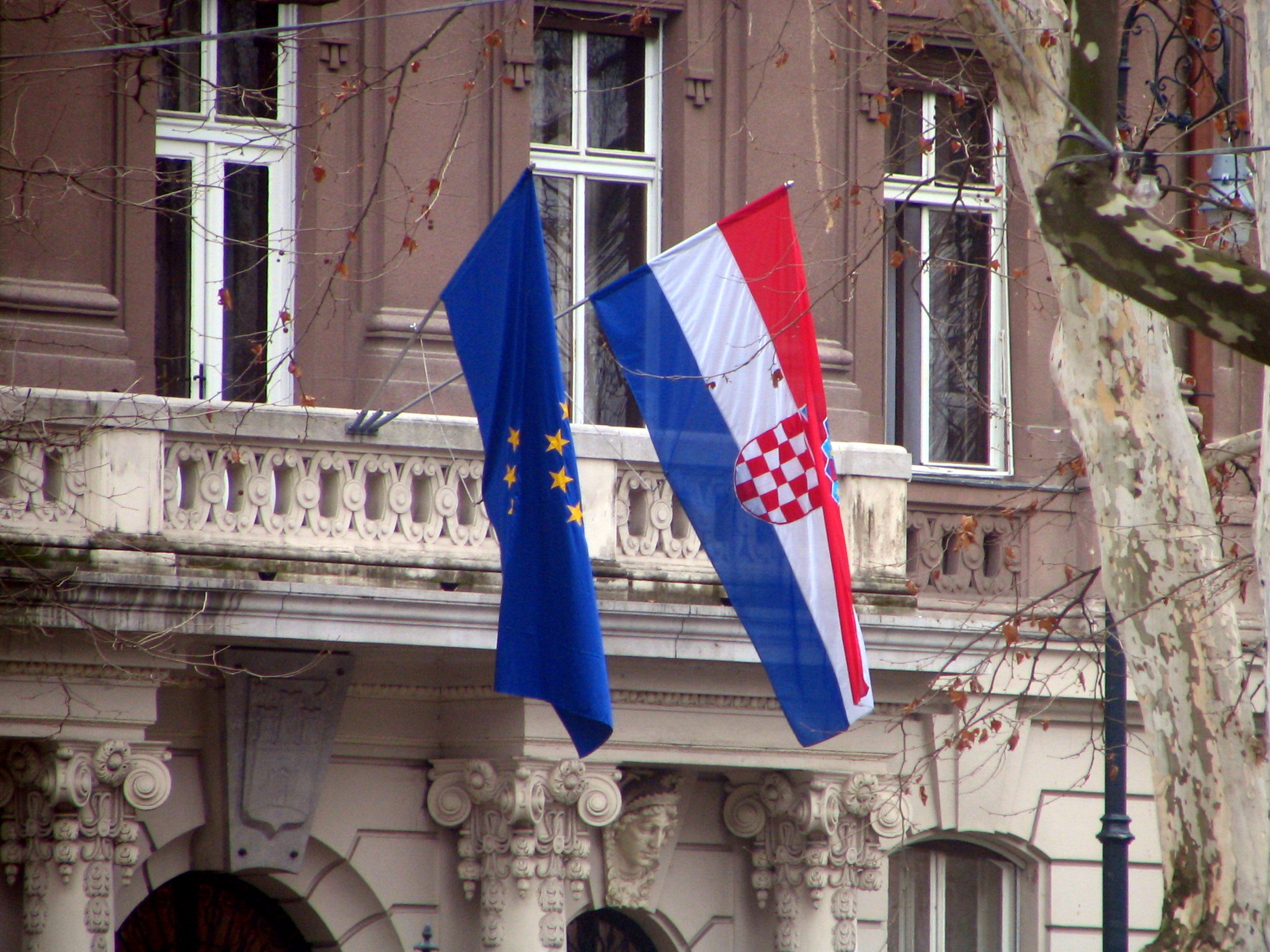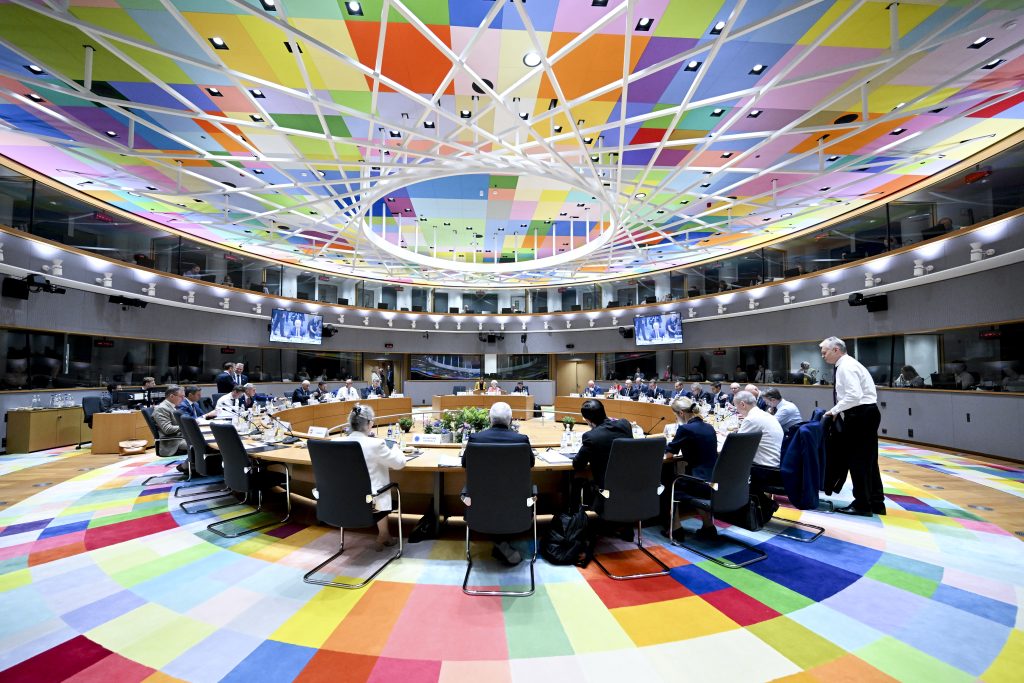
BRUSSELS – Ambassadors of the EU member states failed to reach a consensus on opening Cluster 3 in the accession talks with Serbia. At today’s meeting of the Committee of Permanent Representatives of EU member states (COREPER) held in Brussels, eight countries opposed advancing European integration of Serbia. The list includes the Netherlands, Belgium, Bulgaria, Croatia, Sweden, as well as three Baltic countries – Estonia, Lithuania and Latvia.
These countries voiced concerns about the rule of law, and the insufficient alignment of Serbia with the foreign and security policy of the Union, including the non-imposing of sanctions on Russia.
Several diplomatic sources state unofficially for EWB that the opening of Claster 3 for Serbia can be discussed at a new meeting of the COREPER next week, as well as at General Affairs Council, scheduled for 14 July, but that there is no real chance that those who oppose it will change their position.
The European Commission recommended EU member states to approve the opening of Cluster 3 to Serbia earlier this month, arguing that while none of the key political priorities have been fully fulfilled, Belgrade has made sufficient progress for the next step on its EU path. The arguments were listed in the so-called “information note” of the European Commission, as well as in a separate document which the Government of Serbia sent to the EU capitals on 3 July.
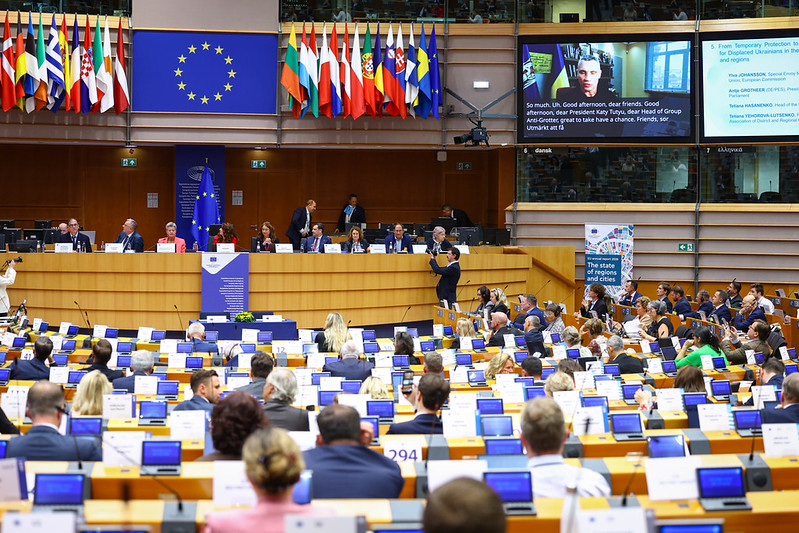
EU Commissioner for Enlargement Marta Kos said during last night’s debate on Serbia in the European Parliament that the recent reform steps of the government in Belgrade were the basis for the European Commission to recommend the opening of Claster 3.
She noted that, among other things, progress has been made in the implementation of the ODIHR recommendations, while recent steps taken regarding the formation of the Regulatory Body for Electronic Media (REM) are encouraging.