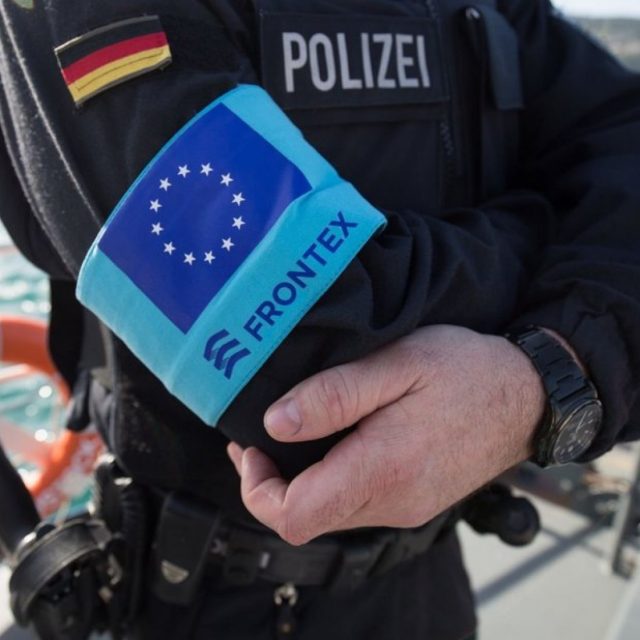
BRUSSELS – Chinese, Russian and Turkish nationals continue to enter the Western Balkans without visas before attempting to travel onward to the European Union, according to Frontex’s latest risk assessment, Radio Free Europe (RFE) reports. At the same time, Brussels is urging countries in the region to tighten their visa policies and close loopholes that enable such abuses.
In its annual risk analysis for 2026-2027, published this month, Frontex warns that migration flows through the Western Balkans will continue to reflect developments along the Easter Mediterranean route, and that certain nationalities will continue to use visa-free access to countries in the region in an attempt to reach the EU.
It specifically identifies nationals of China, Russia and Turkey, as well as “holders of Jordanian passports of Palestinian origin”.
Frontext expects migration pressure to be mitigated by police operations, seasonal factors and the deterrent effect of violence and kidnappings carried out by smuggling networks. Nevertheless, it warns that abuse of visa-free travel arrangements will persist.
The Border Police of Bosnia and Herzegovina told RFE that it regularly receives information from the Frontex regarding irregular migration, migrant smuggling and the potential abuse of visa-travel, and that it is aware of attempts to continue irregular journeys towards EU member states.
“Such information does not relate exclusively to nationals of the Russian Federation, the People’s Republic of China and Turkey, but also to nationals of other countries”, the Border Police said, adding that it maintains continues cooperation with Frontex and other international partners.
As RFE reports, in recent years, Chinese nationals have been arriving in the region by air before attempting to continue their journey to EU, while some Russian nationals, including Chechens, have used the Balkans as a transit route or temporary refuge following the outbreak of the war in Ukraine.
Frontex’s report also states that the Western Balkans’ incomplete alignment with the EU’s visa policy continues to facilitate the use of air routes to countries in the region as a springboard for irregular entry into the EU.
Frontex further notes that the Western Balkans corridor, stretching through Serbian, Bosnia and Herzegovina and Croatia towards Slovenia and Austria, will remain the main route for migration movements originating from the Eastern Mediterranean.
For several years, the European Commission has been urging Western Balkan countries to align their visa policies with EU rules in order to reduce the risk of irregular migration and abuse of visa-free regimes. The issue regularly appears in the Commission’s annual reports as well as its visa suspension mechanism reports.