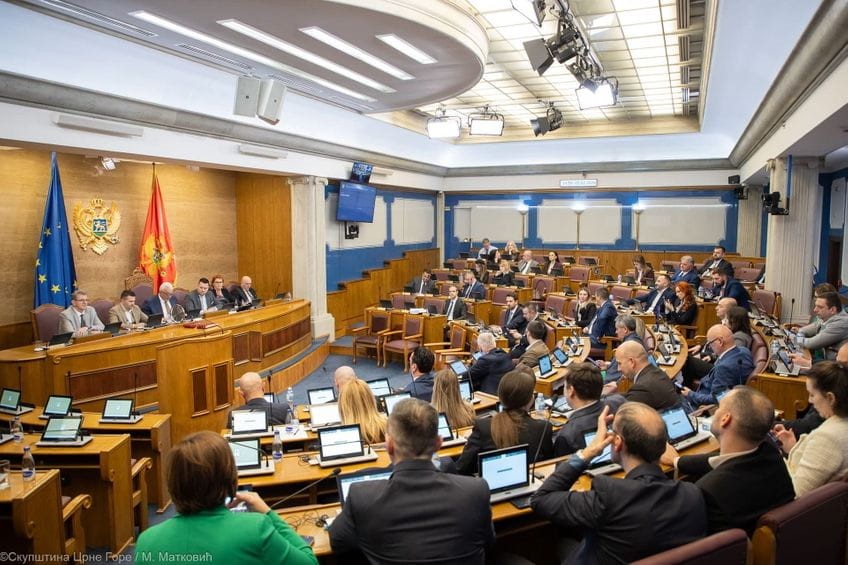
PODGORICA – Montenegro could realistically sign an accession treaty with the EU by summer 2027, provided it completes the necessary reforms and resolves outstanding disputes with Croatia in the spirit of good neighbourly relations, European Commissioner Marta Kos said today.
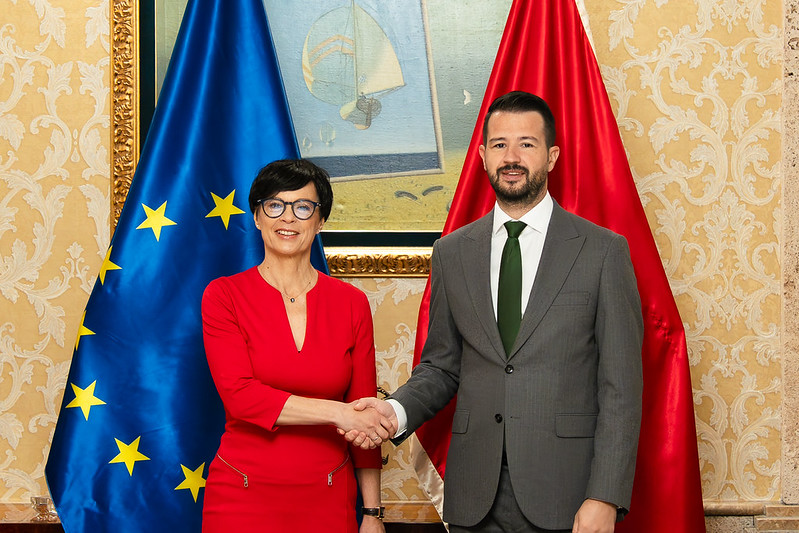
Marta Kos is on a two-day visit to Montenegro that includes participation in the Berlin Process summit and discussions on the country’s progress towards EU membership. Kos met with President Jakov Milatović over a working breakfast to discuss the final stages of accession negotiations and the remaining requirements for membership. Her programme also includes meetings with Parliament Speaker Andrija Mandić, Prime Minister Milojko Spajić and opposition representatives.
In an interview for Radio Television of Montenegro (RTCG) Marta Kos said Brussels supported Montenegro’s ambition to become the EU’s 28th member in 2028.
She stressed that Montenegro had completed almost all the necessary technical work, but needed the green light from every EU member states to move forward.
Kos said that Croatia’s demands were not formally part of Montenegro’s EU accession negotiations, but that outstanding issues with Zagreb had to be resolved because further progress required agreement of all 27 states.
“Croatia has its own interests, and it speaks openly about them”, Enlargement Commissioner said, adding she was encouraged by Montenegro’s recent steps and the ongoing dialogue between Podgorica and Zagreb.
This week, the Government of Montenegro decided to rename Kotor’s municipal swimming pool, which had borne the name of former water polo player Zoran Džimi Gopčević since 2021, after Petar II Petrović Njegoš. Zagreb had objected to the previous name, saying Gopčević had served as a guard at Morinj, where Croatian civilians and prisoners of war were detained during the war in the early 1990s.
Renaming the poll was one of Croatia’s eight demands.
The government also granted retroactive approval for a memorial plaque installed in October 2022 at the entrance to the former military facility at Morinj. The decision allows the plaque to remain in its current location, with its existing design and inscription.
Croatia’s six remaining demands concerns compensation for former Morinj detainees, the search fro 14 missing Croatian citizens, war crimes prosecution, the property rights of Croatian families in Montenegro, maritime border demarcation and ownership of the naval training ship Jadran.
Kos said the latest steps showed that the two countries were moving towards resolving their disputes. According to Kos, if Montenegro maintained its current pace of reform, it could achieve its goal of concluding negotiations and signing an accession treaty by summer 2027.
She said European leaders were paying much closer attention to Montenegro and that it was becoming increasingly clear in Brussels which country could join the EU next.