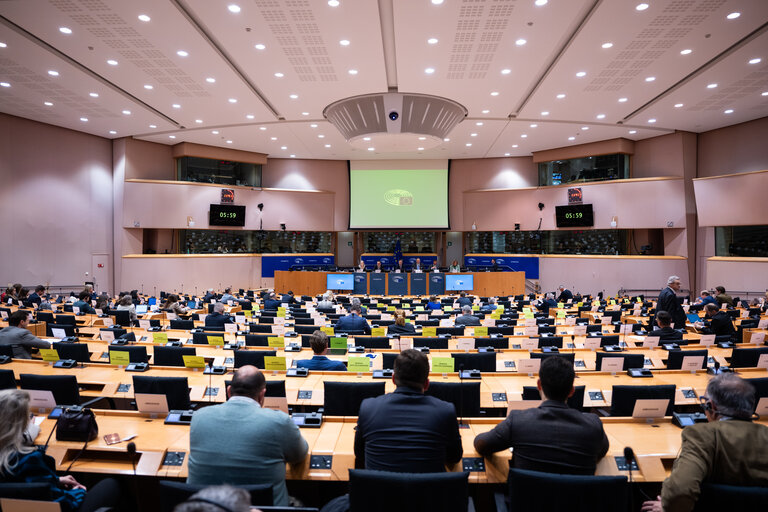
BRUSSELS – The draft annual reports on Albania and North Macedonia were presented to the members of the European Parliament’s Committee on Foreign Affairs (AFET) on Thursday. A day before, the members of the AFET discussed the draft report on Montenegro. These documents call for the implementation of the reforms in the rule of law so that the three countries can make progress in the EU accession processes.
Once adopted by AFET, the reports will be submitted for a plenary vote in the European Parliament.
The EP’s Rapporteur for Albania, Andreas Schieder, said that corruption in Albania remains a major concern that needs to be addressed, while underlining the country’s highly polarised politics.
“The political climate is not the best possible. There are concerns about the elections, about suspicions of vote buying, but there are also concerns about the undermining of political cooperation, the radicalization of politics”, Schieder noted, it was reported by the Balkan Web.
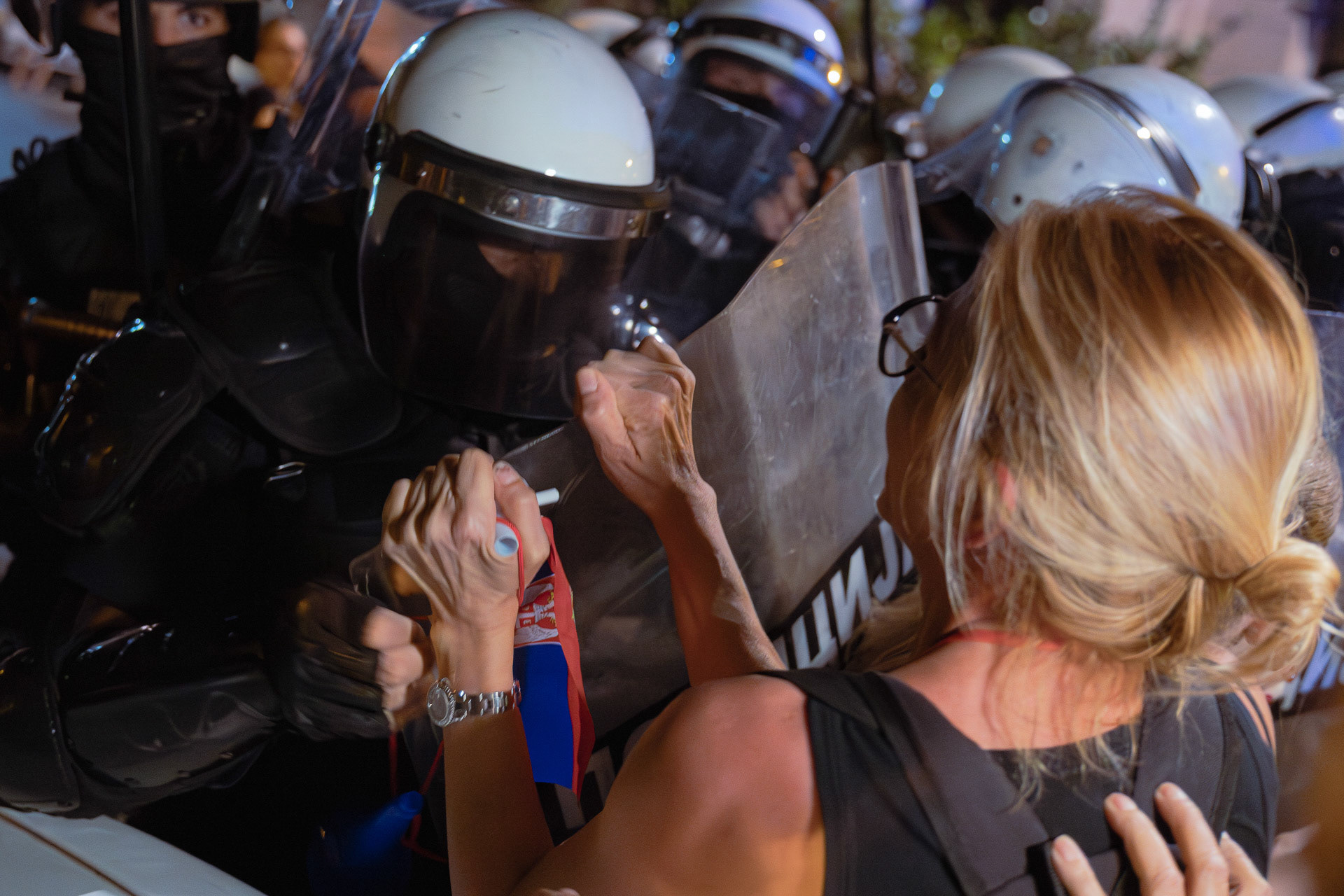
According to him, “especially in recent weeks, there has been a strong radicalization to do politics on the streets and not in the hall of Parliament”.
“Corruption remains a major concern that needs to be addressed. The priority now should be to close the negotiation chapters with concrete change. The objective for 2027 is much more achievable”, Schieder noted.
The Chairman of the AFET, David McAllister, remarked that as Albania is getting closer to membership, it must intensify its work to align itself with European Union standards.
“The adoption of legislation is not enough, concrete changes and their implementation are needed. Violent protests are not acceptable in a democratic society”, McAllister stressed.
According to Marjan Šarec, the EP’s Rapporteur for Montenegro, “Montenegro remains the most advanced candidate country for EU membership”.
Šarec recalled that Montenegro has set an ambitious goal – to conclude accession negotiations by the end of 2026, Vijesti reported.
“This report recognizes that progress. At the same time, it clearly emphasizes that the decisive phase of the process is yet to come”, he underlined.
Šarec stressed that the core of the accession process remains the rule of law and that Chapters 23 and 24 – Judiciary and Fundamental Rights and Justice, Freedom and Security, remain key benchmarks for progress.
“The report calls for further strengthening the independence and efficiency of the judiciary, faster and more transparent appointments in the judiciary and prosecution, and sustainable results in the fight against high-level corruption and organized crime… We also emphasize the need to reduce the backlog of cases in the judiciary and to fully harmonize visa policy with EU policy”, Šarec noted.
Presenting the draft report on North Macedonia, the EP’s Rapporteur Thomas Waitz stressed that “no progress has been made on constitutional changes due to concerns about possible additional bilateral blockades or requests from a neighboring country”.
“There is an urgent need for stronger political will on both sides to overcome this deadlock… Despite some positive developments, progress on the EU-related reform agenda in key areas such as the rule of law, judicial reform, and the fight against corruption remains insufficient. Advancing reforms in the area of the rule of law is not only essential for moving closer to EU membership, it is also crucial for strengthening democratic institutions that effectively serve all citizens”, Waitz said.
“There is an urgent need for stronger political will on both sides to overcome this deadlock… Despite some positive developments, progress on the EU-related reform agenda in key areas such as the rule of law, judicial reform, and the fight against corruption remains insufficient. Advancing reforms in the area of the rule of law is not only essential for moving closer to EU membership, it is also crucial for strengthening democratic institutions that effectively serve all citizens”, Waitz said.
He underlined that he fully supports North Macedonia on its EU path.
“It is essential that all political stakeholders in North Macedonia, in particular the government and the representatives of the ruling majority, to recognize the sense of urgency and, without further delay, to start delivering tangible, convincing, and real results in these key areas”, Waitz noted.