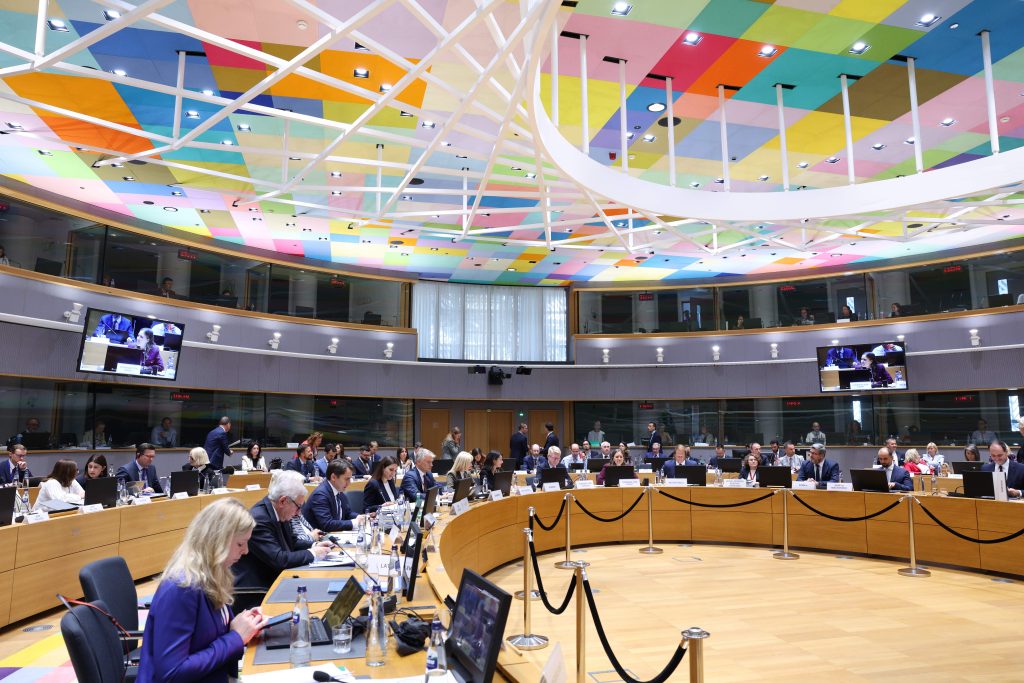
BELGRADE – On 25 February, at the request of Germany, the ambassadors of the European Union member states held an extraordinary debate on the situation in Serbia after the adoption of judicial laws, which the European Commission assessed as a significant step backwards, Radio Television of Serbia learned in diplomatic sources in Brussels, it was reported by FoNet news agency.
There were no decisions in the debate, but several countries called for the suspension of funds from the Growth Plan for Serbia to be considered, if the adopted judicial laws remain in force, whereas some states welcomed Belgrade’s readiness not to apply the legislation until the Venice Commission’s opinion is published, which is expected to happen in June.
Several EU members, including Scandinavian and Baltic countries, the Netherlands and others, expressed “serious concern”, saying judicial laws represent a setback in a key area of the rule of law.
According to diplomatic sources, some countries have asked the European Commission to consider suspending payments from the Growth Plan to Serbia if the Venice Commission’s opinion is not taken into account.
The debate also raised the issue of anti-EU rhetoric and Serbia’s abstention during the vote on the resolution on Ukraine at the UN General Assembly.
On the other hand, a group of countries, including France, Italy, Hungary, Slovakia and others, have advocated a “balanced approach” towards Serbia, warning that a “hasty suspension of payments” from the Growth Plan would harm Serbia’s strategic interest in bringing it closer to the EU.
As it had also been the case in December 2025, these countries advocated for the opening of Cluster 3 in the accession negotiations with Serbia to be returned to the table, citing the principle of merit and the assessment of the European Commission that Belgrade had met the necessary technical conditions for this step to be taken.
In addition, some member states pointed out that criticism of judicial laws would be more credible if the EU acknowledged that some progress had been made in other areas, according to diplomatic sources.
Similar discussions on the consequences of the adoption of judicial laws had already been held several times in February, in the meetings of the Working Party on Enlargement and Countries Negotiating Accession to the EU (COELA).
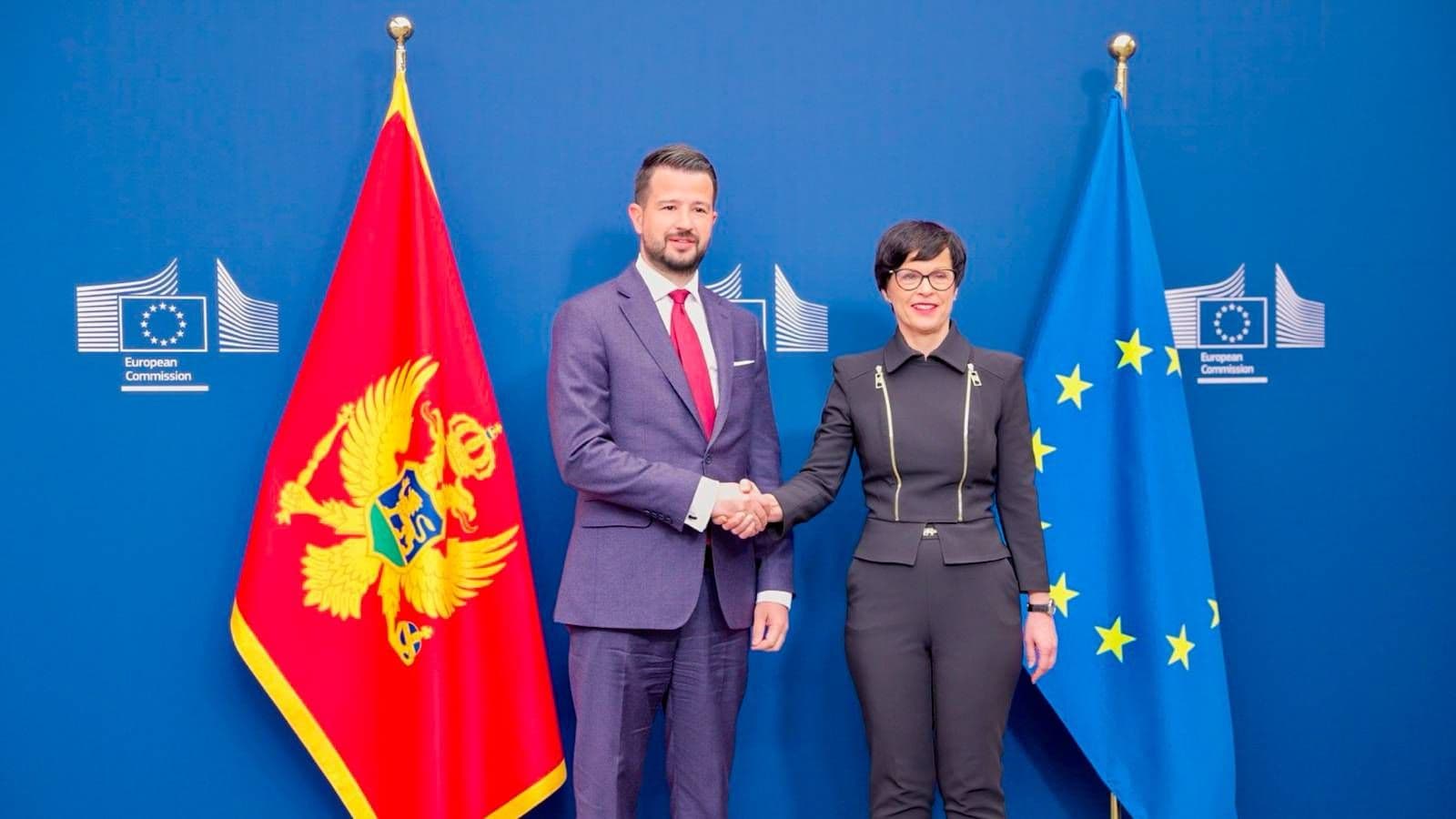
The EU Commissioner for Enlargement Marta Kos said earlier this month that the European Commission would assess whether Serbia had met the preconditions for the payment of the funds from the Growth Plan.
According to the rules, the preconditions for the reimbursement of these funds are a functioning democratic system and the rule of law, and, in the case of Belgrade and Pristina, “constructive engagement in dialogue”.