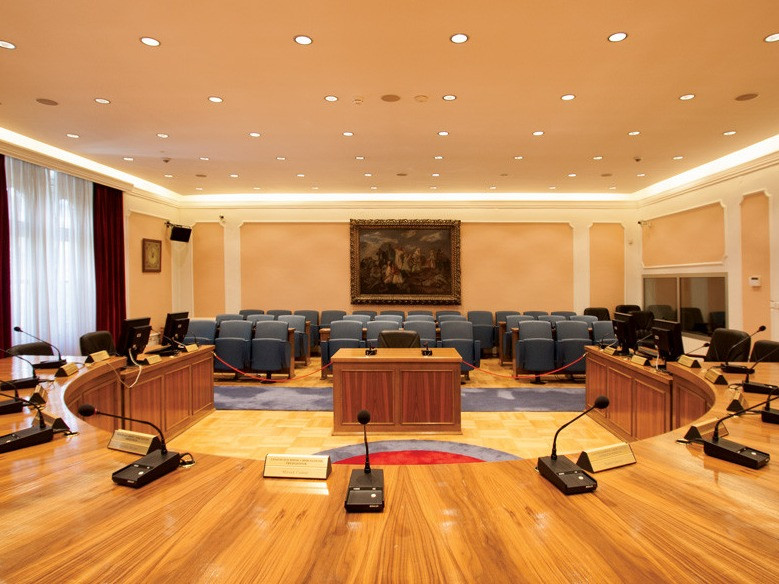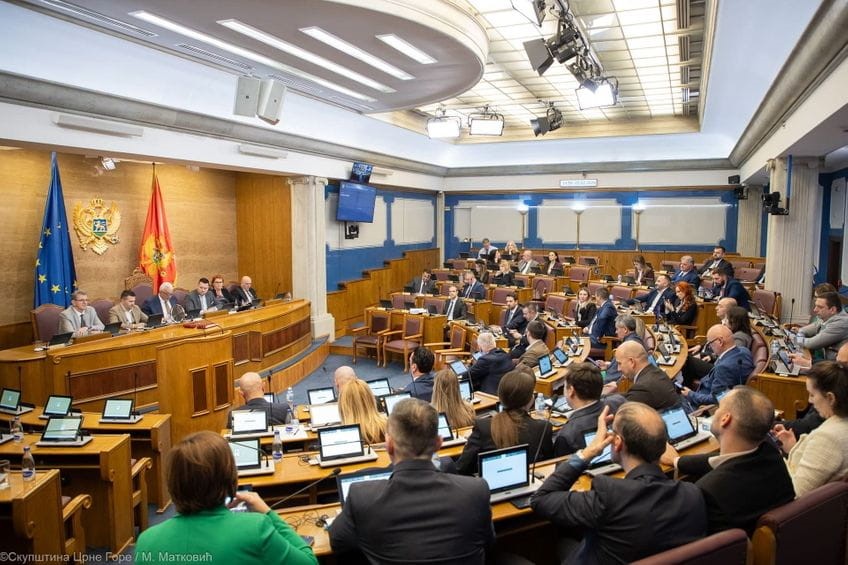
PODGORICA – Ivan Vuković, member of the largest opposition party in Montenegro, the Democratic Party of Socialists (DPS), resigned today as Chairman of the parliament’s Committee on European Integration.
Vuković stated that he was doing this due to last week’s adoption of the Law on Internal Affairs and the Law on the National Security Agency, which, he assessed, are contrary to the Constitution.
“Instead of all of us jointly making every effort for Montenegro to close the negotiation chapters by the end of 2026, our colleagues from the parliamentary majority are focused on taking revenge on political parties, as well as on the media,” Vuković said, reports Portal Analitika.
He also confirmed that DPS would resign from its co-chairmanship of the Committee on Comprehensive Electoral Reform.
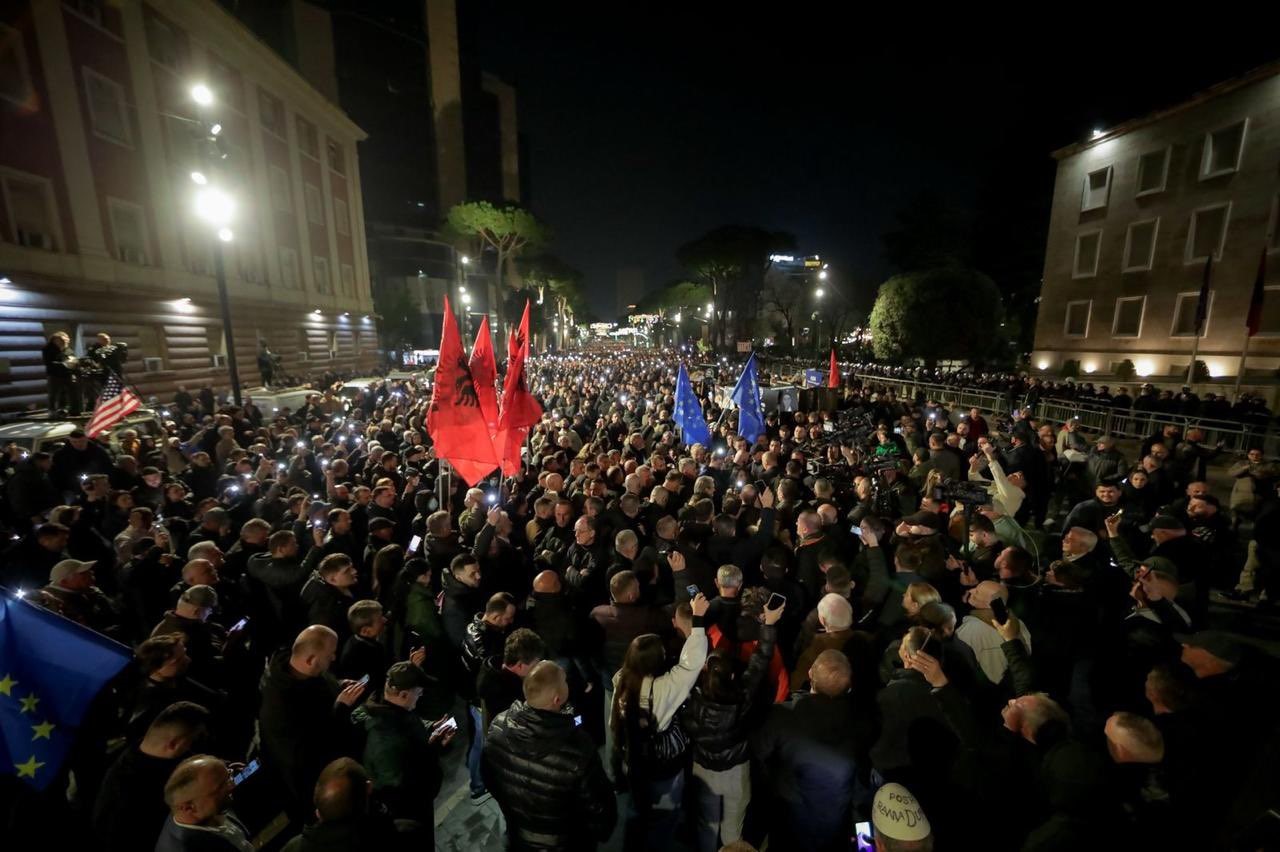
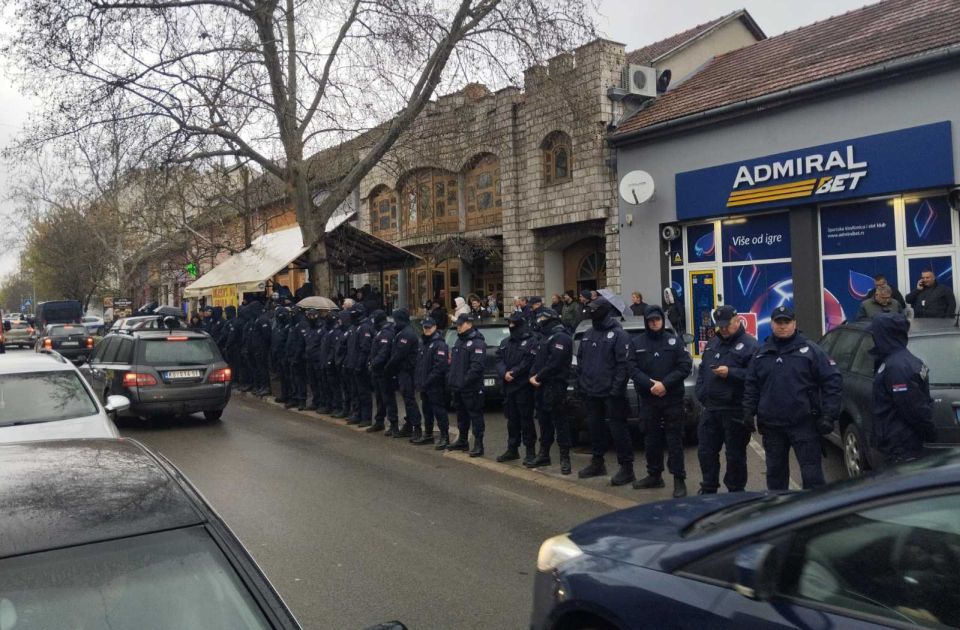
On 6 March, the Montenegrin parliament adopted two laws, which were criticised by the opposition and civil society.
According to Vijesti, the adoption of the laws means that the National Security Agency (ANB) will no longer need the police as an intermediary when collecting intelligence information.
In the Law on Internal Affairs, a controversial provision allows employment in the police without a public competition in certain situations, which some individuals interpreted as creating room for party-based hiring.
The Ministry of Interior will also be given greater authority to decide on “security obstacles” for working in the police without disciplinary proceedings, which Vijesti describes as a provision that probably caused the most criticism.
In its statement from 26 February, the Government of Montenegro announced that changes to the laws are being made after consultation with the European Commission, for the purposes of the implementation of the EU Directive relating to GDPR, i.e. the protection of personal data.
“The amendments fully enable the alignment of the aforementioned legal solutions with the GDPR as an obligation in the part of closing negotiation chapters, in accordance with the request of the European Commission”, the Government said.
Speaking in the parliament last week, the Minister of Interior Danilo Šaranović made similar arguments, adding that there was no intention to create a “police state”, as some critics were claiming, RTCG reported.
However, the opposition remained highly critical of the laws and one of the members of the ruling party, Europe Now Movement (PES), Miodrag Laković, resigned from his party membership due to the adoption of the laws.
European Commission will closely monitor the implementation
European Commission Spokesperson stated that EC is aware of the proposed amendments to Montenegro’s Law on Internal Affairs and the Law on the National Security Agency, as well as of the concerns raised by civil society organizations and trade unions.
“The Commission was consulted on the two draft laws and considers that the data protection provisions in both texts are still not fully aligned with the EU acquis, in particular with the General Data Protection Regulation and the Law Enforcement Directive. To this end, Montenegro should align these provisions with the EU acquis either before the adoption of the laws or adopt the laws and subsequently align the provisions before the closure of accession negotiations. This is an additional reason to swiftly launch a comprehensive reform of data protection in Montenegro,” the Commission spokesperson said, Vijesti reported.
In the meantime, the European Commission will, as stated, closely monitor the implementation of the legislation.
“The Commission also expects the authorities to carry out merit-based recruitment within the police and to establish appropriate procedural safeguards. It also expects Montenegro to ensure that any dismissals are based on justified grounds and that the individuals concerned have access to all available legal remedies,” the spokesperson of the European Commission stressed.