BERLIN – The fact that EU enlargement conditionality has not been enough to prevent democratic backsliding in some cases should motivate the Union to rethink its mechanisms at a time when accepting new members has become a geopolitical necessity. While enlargement alone probably cannot democratise the candidates, it should at least not help potential autocrats.
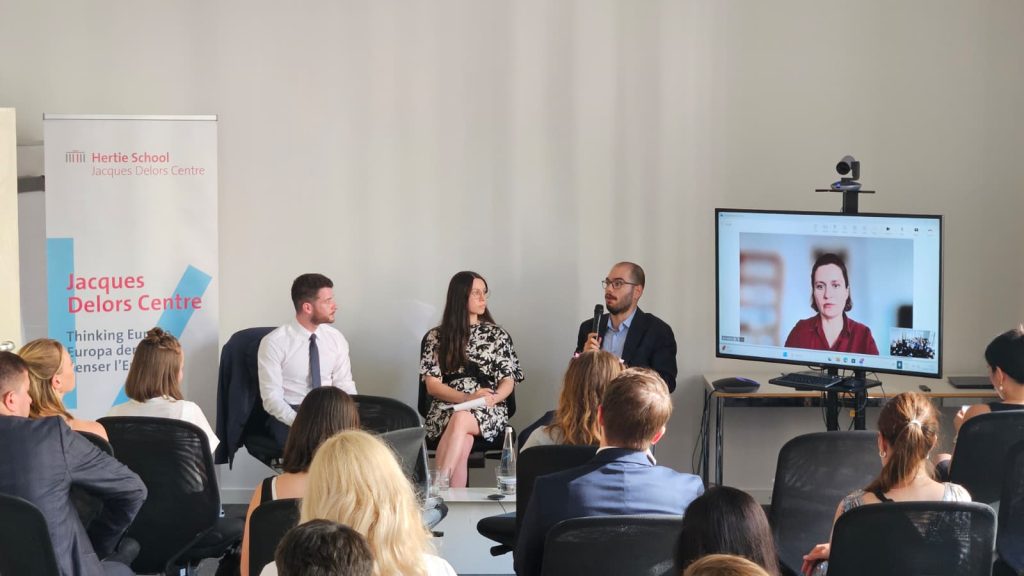
These were the main conclusions of the event titled “Advancing Democracy in the Western Balkans through EU Enlargement”, co-hosted by the Centre Grande Europe of the Jacques Delors Institute and Belgrade-based Centre for Contemporary Politics (CCP), which took place on 24 June at the Jacques Delors Centre in Berlin.
During the event, researchers presented policy studies and policy briefs produced by the CCP within the project “Advancing Democracy through EU Enlargement”, which is conducted in cooperation with the Jacques Delors Institute.
In his opening remarks, Benjamin Couteau, Research Fellow at the Centre Grande Europe, Jacques Delors Institute, pointed out that some candidate countries, such as Serbia, have experienced democratic backsliding during the accession process.
In the context of the new enlargement momentum and the geopolitical necessity for accepting or at least partially integrating new members, the question arises how this should be done without sacrificing democratic conditions for membership, Couteau said.
Aleksandar Ivković, Researcher at the Centre for Contemporary Politics, pointed out that what led the countries to backslide was that it was not in the elites’ interest to implement reforms that would weaken their control over the state and its resources.
According to the research carried out by the Centre for Contemporary Politics, nearly a quarter of the laws adopted in the area of Fundamentals by the six Western Balkan candidate countries from 2020 to 2025 were assessed as flawed either by the European Commission or the relevant domestic civil society. This demonstrates the weaknesses of the EU’s conditionality in the accession process.
A more positive example of conditionality has been the implementation of the Growth Plan for the Western Balkans, where the Commission has been stricter in evaluating whether the beneficiaries had met the conditions for payments in the areas of fundamentals, said Ivković, presenting another finding of the CCP.
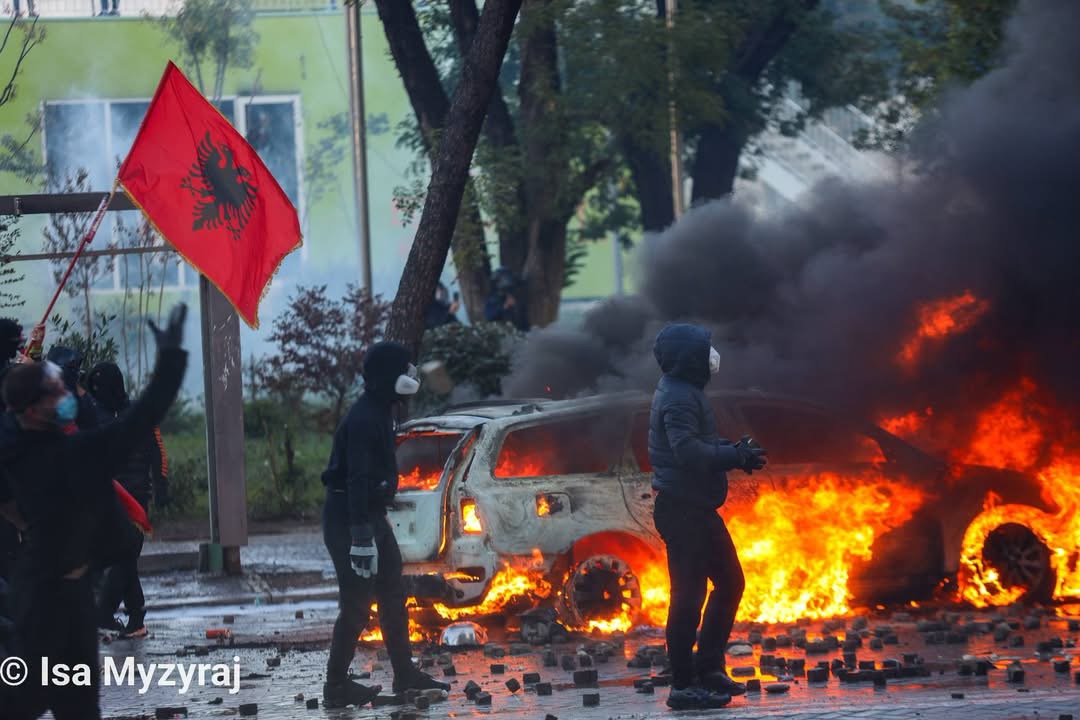
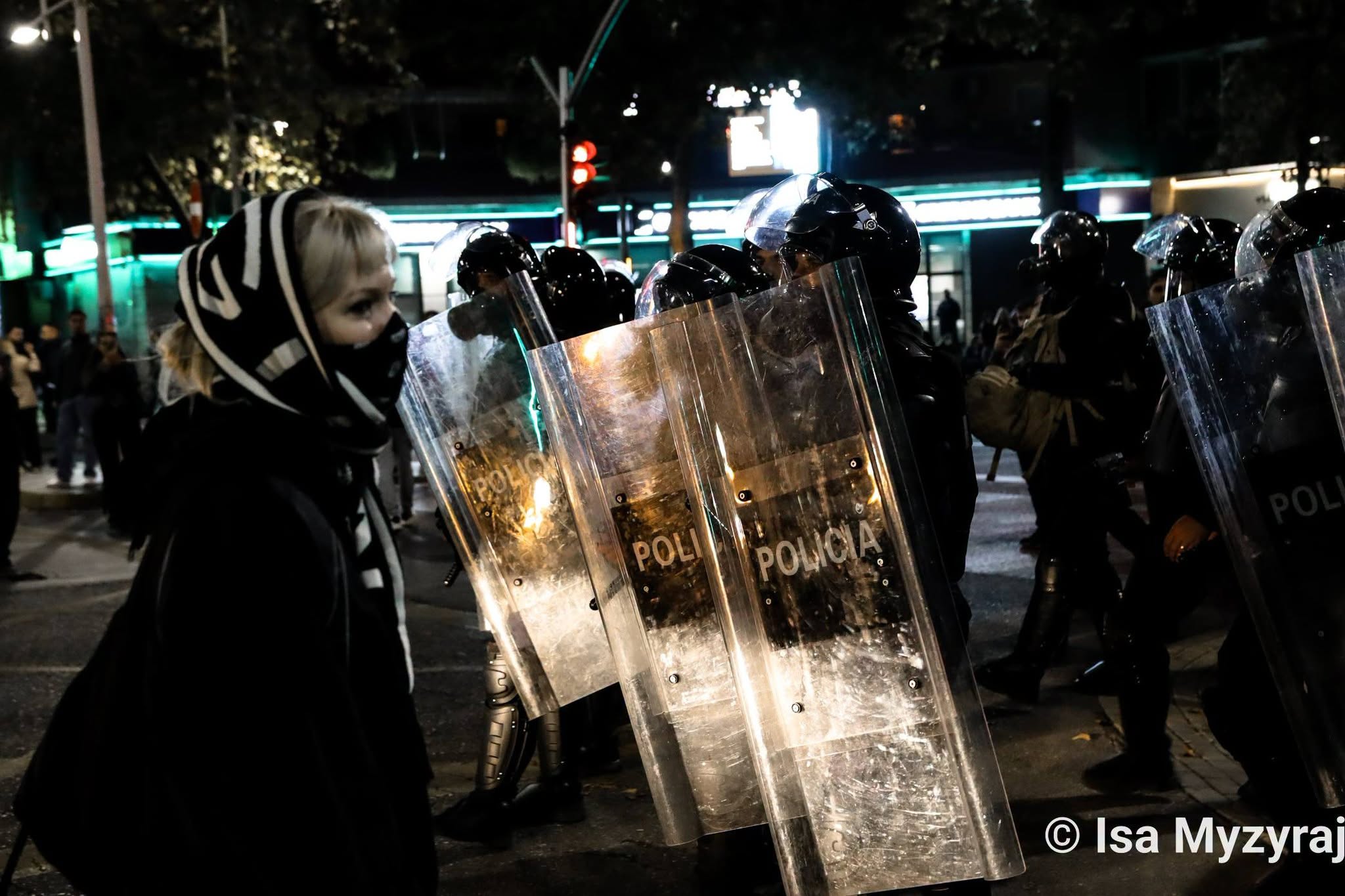
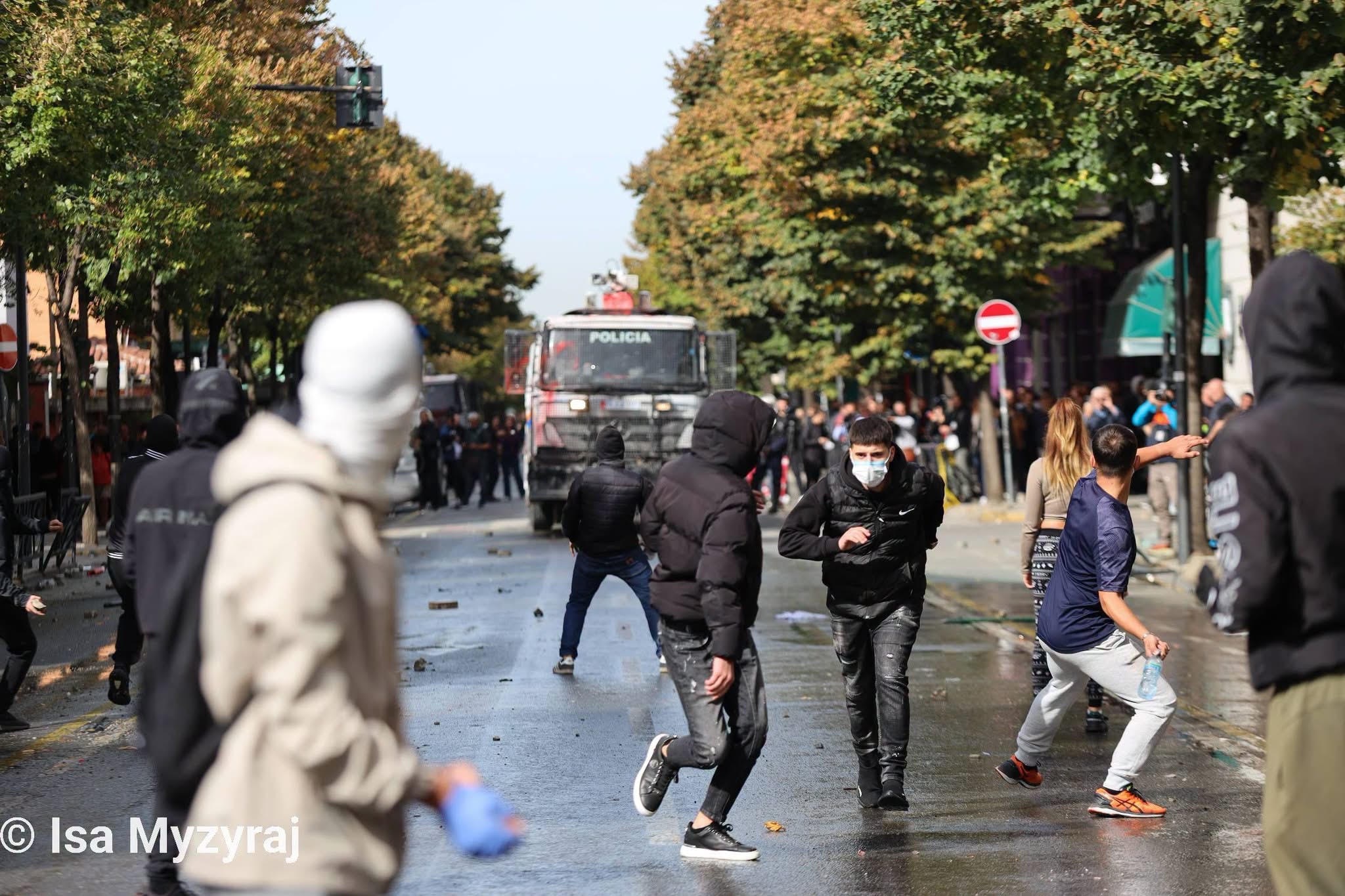
Marina Vulović, Visiting Fellow at the German Institute for International and Security Affairs and Besa Shahini, Former Minister of Education of Albania and Hertie School Fellow, shared their perspectives on the credibility of EU conditionality and how the political and economic situation in Albania, including the current protests, has been affecting its accession to the EU.
Nikola Burazer, Programme Director of the Centre for Contemporary Politics, concluded the event with the assertion that the opportunity for enlargement is there, but lessons need to be learned and approaches improved to make both enlargement and democracy in the Western Balkans happen.
“This is what our project aims to help. Of course, enlargement is not a magic wand. Maybe it cannot bring democratic changes in countries such as Serbia. But at least let’s make sure it does not help the autocrats”, Burazer said.