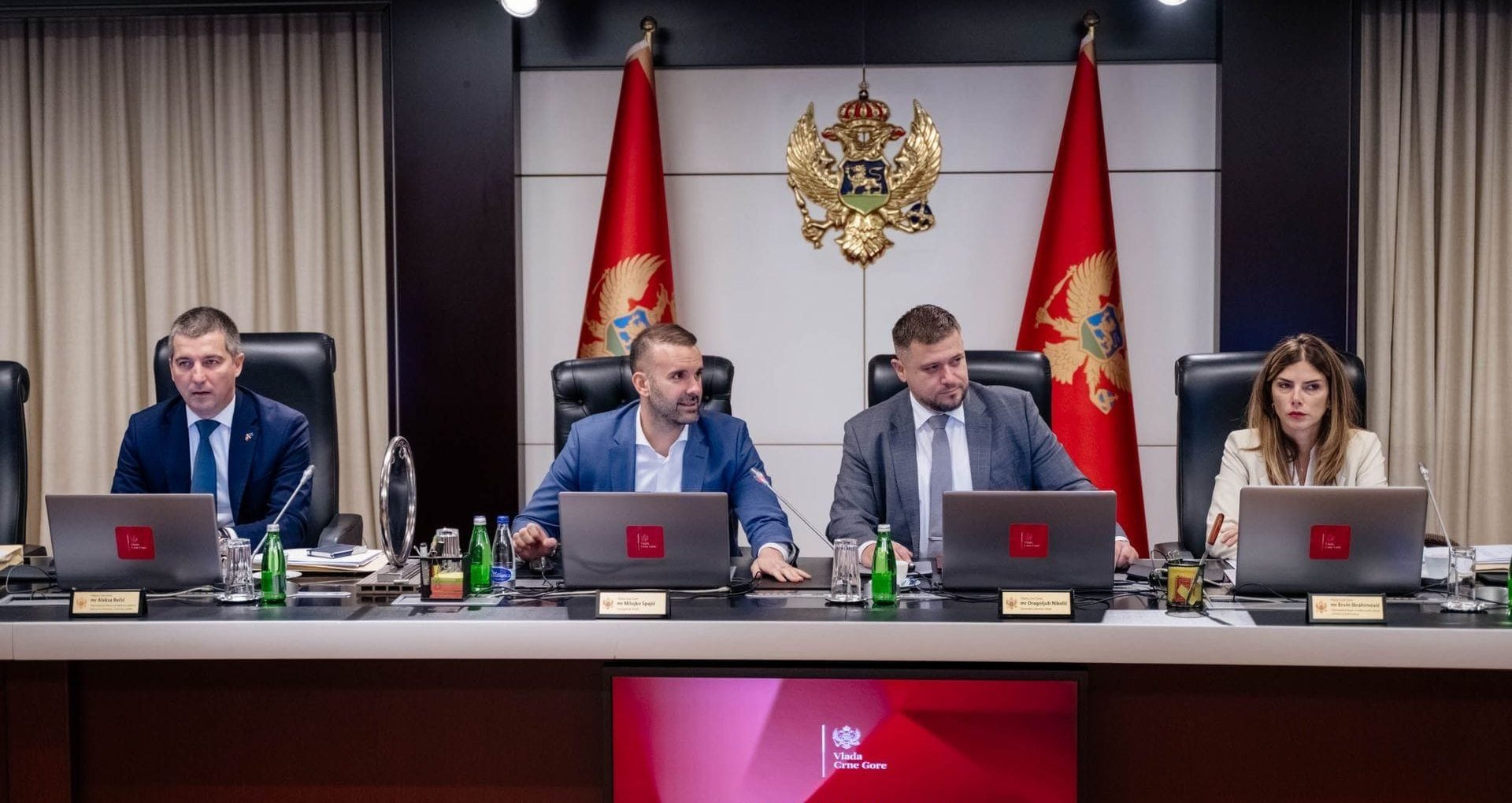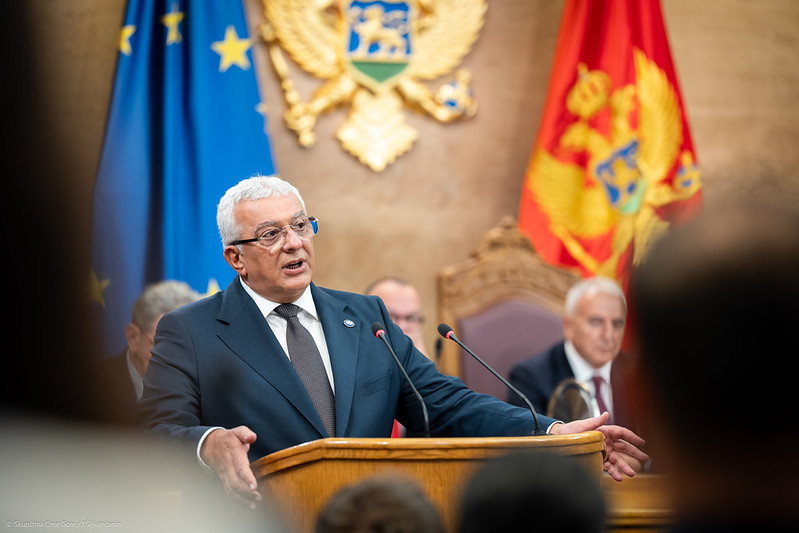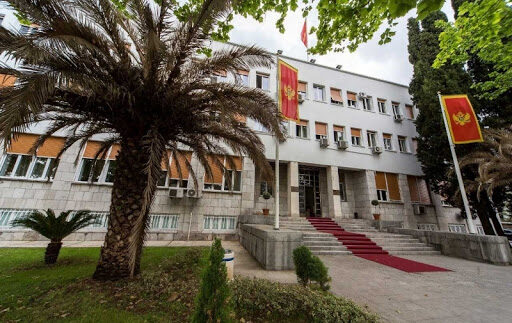
PODGORICA – The Constitutional Committee of the Parliament of Montenegro on Monday approved a proposal for constitutional amendments concerning the Judicial and Prosecutorial Councils and the Central Bank of Montenegro (CBCG), as well as a constitutional law regulating their implementation.
The changes concern the composition and appointment procedures of the Judicial and Prosecutorial Council, as well as the constitutional status of the CBCG. They also regulate the parliamentary majorities required for the election and dismissal of senior judicial officials and members of the two councils.
Under proposed amendments, the Judicial Council would consist of its president and nine members, including the President of the Supreme Court, five judges and four prominent legal professionals elected by Parliament. The Prosecutorial Council would have a president and ten members, comprising prosecutors and representatives from the legal profession, civil society and the Ministry of Justice.
The amendments concerning the Central Bank define it as an autonomous and independent institution accountable to Parliament and stipulate that it is governed by the CBCG Council and headed by the governor.
According to Radio-Television of Montenegro (RTCG), the Committee did not accept proposals submitted by civil society organisations during the public consultation on the amendments.
Chair of the Constitutional Committee Jelena Božović said the amendments proposed by the government had been coordinated with the European Commission and were linked to Montenegro’s obligations under EU accession negotiations, particularly Chapter 23 an Judiciary and Fundamental Rights and Chapter 17 on Economic and Monetary Union.
She said Parliament was expected to adopt the constitutional changes by 24 August as part of Montenegro’s efforts to close all negotiating chapters by the end of the year and become the next EU member in 2028.