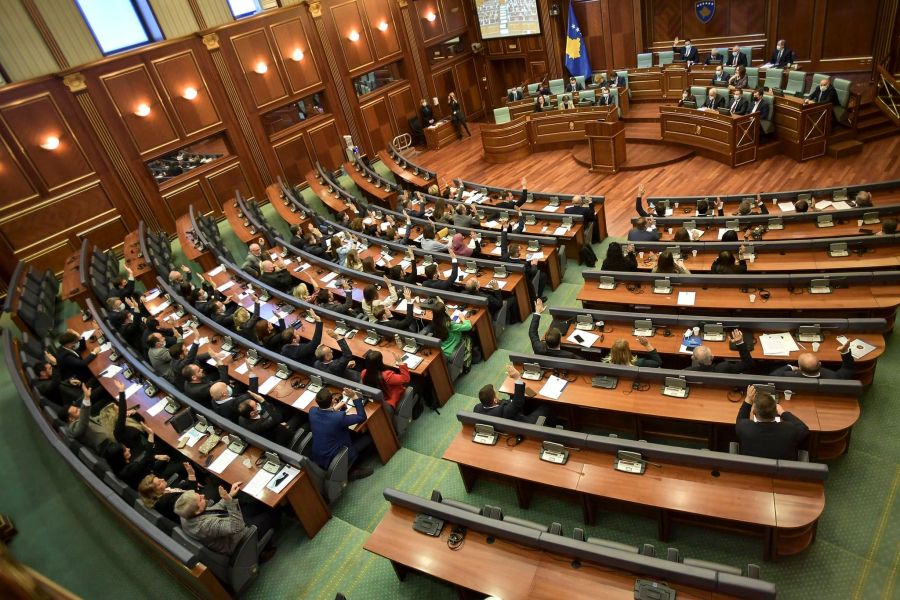
PRISTINA – Kosovo’s Assembly today approved amendments to the Law on Specialist Chambers and Specialist Prosecutor’s Office at first reading, with 90 MPs voting in favour and none against.
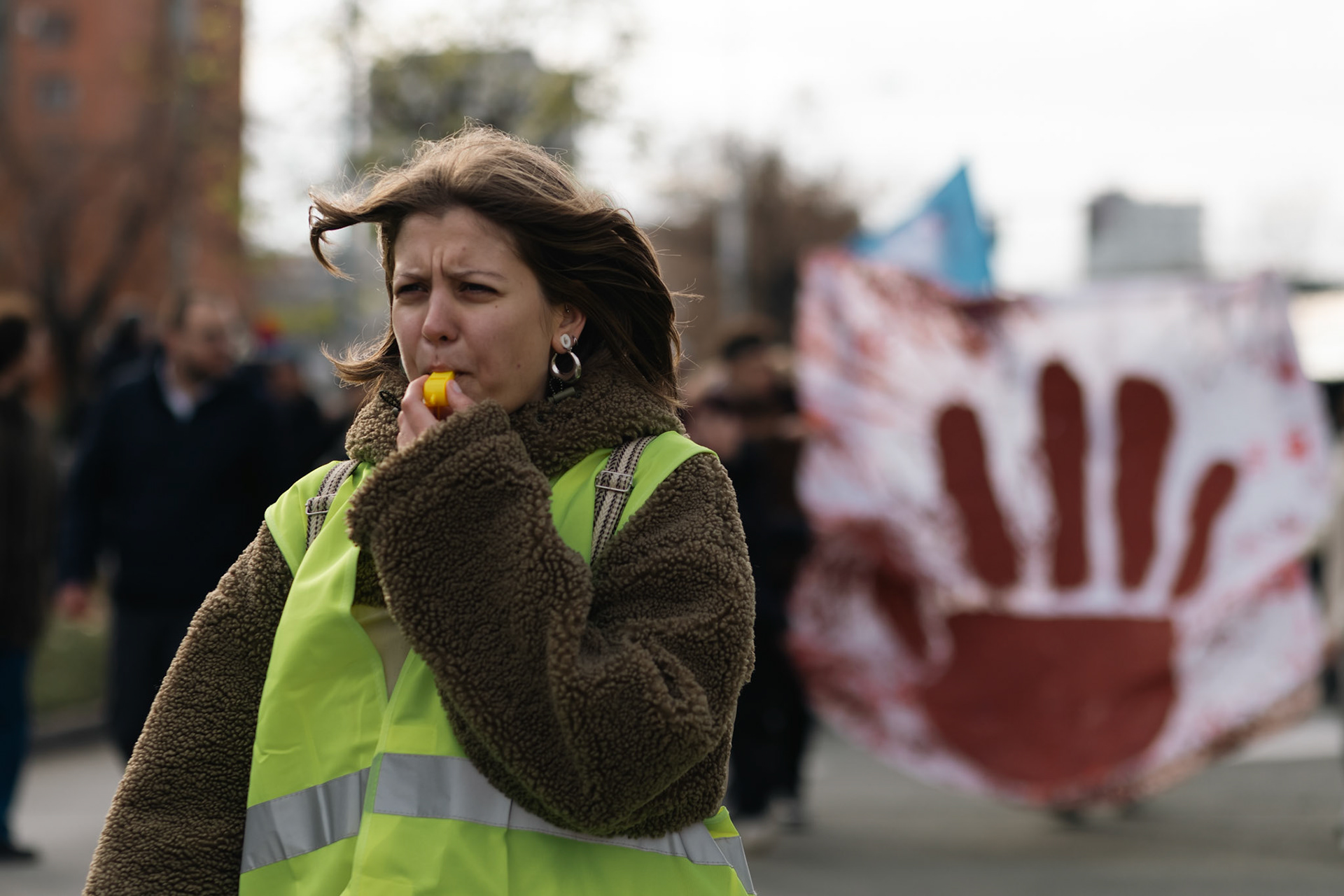
According to KoSSev, the vote followed a delay of more than an hour to the start of the extraordinary session, while protesters outside the Assembly continued to demand that the legislation also pass its second reading today.
MPs from all parliamentary groups except Srpska Lista attended the session. Prime Minister Albin Kurti was also present.
Arriving at the Assembly this morning, he did not answer journalists’ questions about whether Vetëvendosje would support the amendments or whether an agreement had been reached on electing Kosovo’s president.
Immediately before the plenary session, the Committee on Legislation unanimously endorsed the proposed amendments. All nine members present voted in favour, with no votes against or abstentions.
Bosniak representative Emilija Redžepi also said upon arriving at the Assembly that she “respects the values of the KLA” and would vote in favour of the legislation.
What would the amendments change?
According to KoSSev, the proposed amendments would substantially narrow the jurisdiction of the Kosovo Specialist Chambers in The Hague, limiting it to alleged organ trafficking and crimes directly linked to those allegations in Dick Marty’s 2011 report for the Parliamentary Assembly of the Council of Europe. Other cases involving war crimes, crimes against humanity or political violence would fall under the jurisdiction of Kosovo’s courts.
Under the draft, the Chambers would retain jurisdiction over unlawful killings, torture and inhumane treatment at detention sites identified in the report only where these acts were directly linked to alleged organ removal. Their jurisdiction would also be limited to offences committed between 1 July 1999 and 31 December 2000.
The amendments would require a review of jurisdiction in all existing cases within 30 days of the law entering into force, regardless of the stage of proceedings.
Charges falling outside the revised mandate could be transferred to Kosovo’s judiciary. Where a first-instance judgment is still subject to appeal, the relevant parts could be overturned and the proceedings discontinued or transferred.
Cases, evidence and prosecution files would be transferred to the relevant courts and prosecutors in Kosovo, which would independently assess the charges, evidence and further proceedings under Kosovo law.
Detainees whose proceedings in The Hague were discontinued for lack of jurisdiction could also be transferred to Kosovo, where a judge would review the grounds for their continued detention.
The draft would cap prison sentences imposed by the Specialist Chambers at 15 years, citing the principle of applying the more lenient criminal law, known as lex mitior.
It also provides for sentences to be served in Kosovo, the possibility of presidential pardons and international oversight of the Chambers.