Preliminary results from Bosnia and Herzegovina’s general elections show Željka Cvijanović leading the race for the Serb seat on the country’s Presidency, while SNSD candidate Savo Minić is ahead in the contest for president of Republika Srpska. Denis Bećirović leads the race for the Bosniak seat on the Presidency, while Darijana Filipović is ahead in the race for the Croat seat.
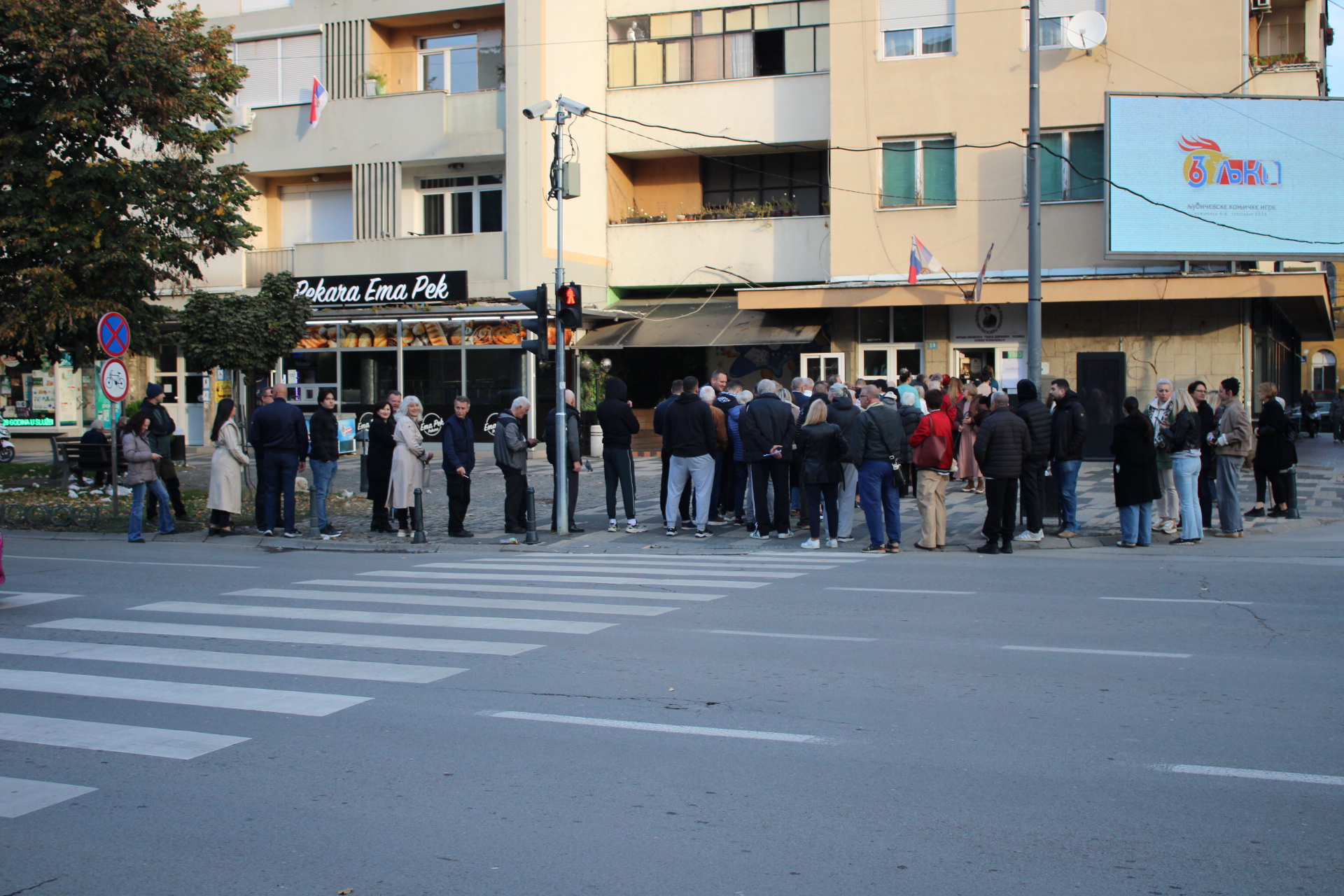
Bosnia and Herzegovina held general elections yesterday, with voters choosing members of the country’s Presidency, lawmakers at the state and entity levels, and the president and vice-presidents of Republika Srpska. A total of 3,414,364 voters were registered on the Central Voter Register. According to the latest update from the Central Election Commission (CEC), 1,097,589 voters, or 32.20 per cent, had cast their ballots by 5 p.m.
The first official preliminary results published by the Central Election Commission, based on returns from around 80 per cent of polling stations, showed Cvijanović holding a commanding lead with 213,812 votes, ahead of Marinko Božović with 102,877 and Nebojša Vukanović with around 67,000.
Subsequent updates showed her lead widening further. According to figures published by Klix, Cvijanović had secured more than 281,000 votes, or around 55 per cent, effectively ensuring another term on the Presidency.
SNSD candidate Savo Minić leads the race for president of Republika Srpska. The CEC’s first update gave him 202,245 votes, compared with 160,935 for Branko Blanuša.
Blanuša conceded defeat this evening, while SNSD had already begun declaring victory. Shortly after polling stations closed, N1 BiH reported SNSD’s own figures, which showed both Minić and Cvijanović holding substantial leads.
Dodik declares victory for SNSD
Milorad Dodik, who was not himself a candidate, was a central figure in SNSD’s election campaign.
After the first results emerged, he posted a photograph with Minić alongside the message: “Spirits are high in SNSD. This looks like a victory for Savo Minić.”
He later declared victory for SNSD at all levels of government. Klix reported that, according to the party’s own figures, SNSD had maintained a steady lead in Republika Srpska from the start of the count.
Bećirović ahead of Izetbegović
Denis Bećirović leads the race for the Bosniak seat on Bosnia and Herzegovina’s Presidency.
The CEC’s first official update gave Bećirović 164,369 votes and Bakir Izetbegović 148,036. Semir Efendić was third with 110,530 votes.
Izetbegović conceded defeat this evening and congratulated Bećirović.
HDZ BiH candidate Darijana Filipović leads the race for the Croat seat on the Presidency. With returns processed from around 80 per cent of polling stations, she had received 92,854 votes, or just over 48 per cent, ahead of Slaven Kovačević with 55,475 and Zdenko Lučić with 44,345, according to figures reported by Klix.
SNSD leads in Republika Srpska, SDA in the Federation
Preliminary parliamentary election results indicate that the traditionally dominant parties representing the country’s main ethnic groups have retained strong positions.
SNSD leads the vote in Republika Srpska for the House of Representatives of the Parliamentary Assembly of Bosnia and Herzegovina, with around 151,000 votes, followed by the “Sigurna Srpska” movement and SDS.
In the Federation of Bosnia and Herzegovina, SDA currently leads the vote for the state parliament, ahead of SDP and the coalition led by HDZ BiH, according to figures published by N1 BiH.
First elections with widespread use of biometrics and ballot scanners
This year’s elections were also the first in Bosnia and Herzegovina to feature the widespread use of biometric voter identification and ballot scanning.
Equipment problems occurred at some polling stations during the day, leading to temporary closures or extensions of voting hours. CEC President Jovan Kalaba said the problems were being addressed by replacing scanners.
N1 BiH reported that turnout stood at 11.94 per cent by 11 a.m., lower than at the same point in the 2022 elections.
Later figures put overall turnout at around 42 per cent, also lower than four years ago.
The results remain preliminary. The CEC will publish the final results once counting is complete and ballots received from abroad have been processed.