Dear readers,
The European Commission presented its proposals for preparing the EU for its next enlargement this week, combining closer integration before membership with stronger safeguards against democratic backsliding afterwards. A key message is that enlargement can proceed without changing the EU’s founding treaties, avoiding a complex and politically uncertain process. But the proposals still depend on agreement among member states.
In Kosovo, parliament elected Justina Shiroka Pula as president, ending a prolonged institutional deadlock and narrowly averting another snap election. The crisis had already prompted two snap elections. The breakthrough gives Kosovo an opportunity to restore institutional stability after months in which political disputes repeatedly pushed reforms aside.
In BiH, Sunday’s general elections reinforced the influence of familiar political forces. Despite being barred from public office, Milorad Dodik emerged as the biggest winner, with his allies winning the races for the RS presidency and the Serb seat in the state presidency, while SNSD strengthened its position.
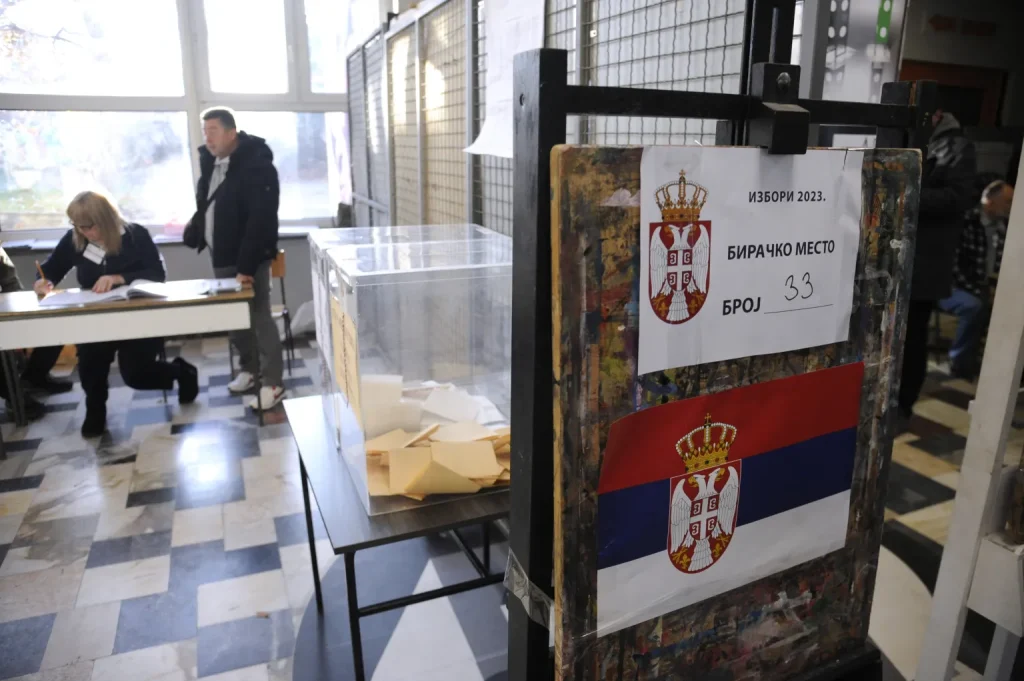
Serbia is approaching its own parliamentary elections on 25 October with growing concerns over electoral conditions. The authorities refused to invited the European Parliament to send an observation delegation before its procedural deadline on 8 October. By failing to invite a European Parliament election observation mission, Serbia has joined Turkey and Georgia as the only countries in the EU enlargement process that do not invite the European Parliament to observe their elections. During the first three weeks of campaign, CRTA recorded 49 incidents and warned of a campaign shaped by fear of violence and chaos. At the same time, on TV channels with national coverage, the authorities received two-thirds of the airtime devoted to political actors, while 88% of coverage of the Students’ List was negative.
If you would like to support EWB as your trusted source on EU integration you can do it now through our “Buy Me a Coffee” page. Also, if you would like to help us improve our work, we would be grateful if you could take a few minutes to complete our reader survey.
Best regards,
Sofija Popović
Newsletter Editor
In Focus
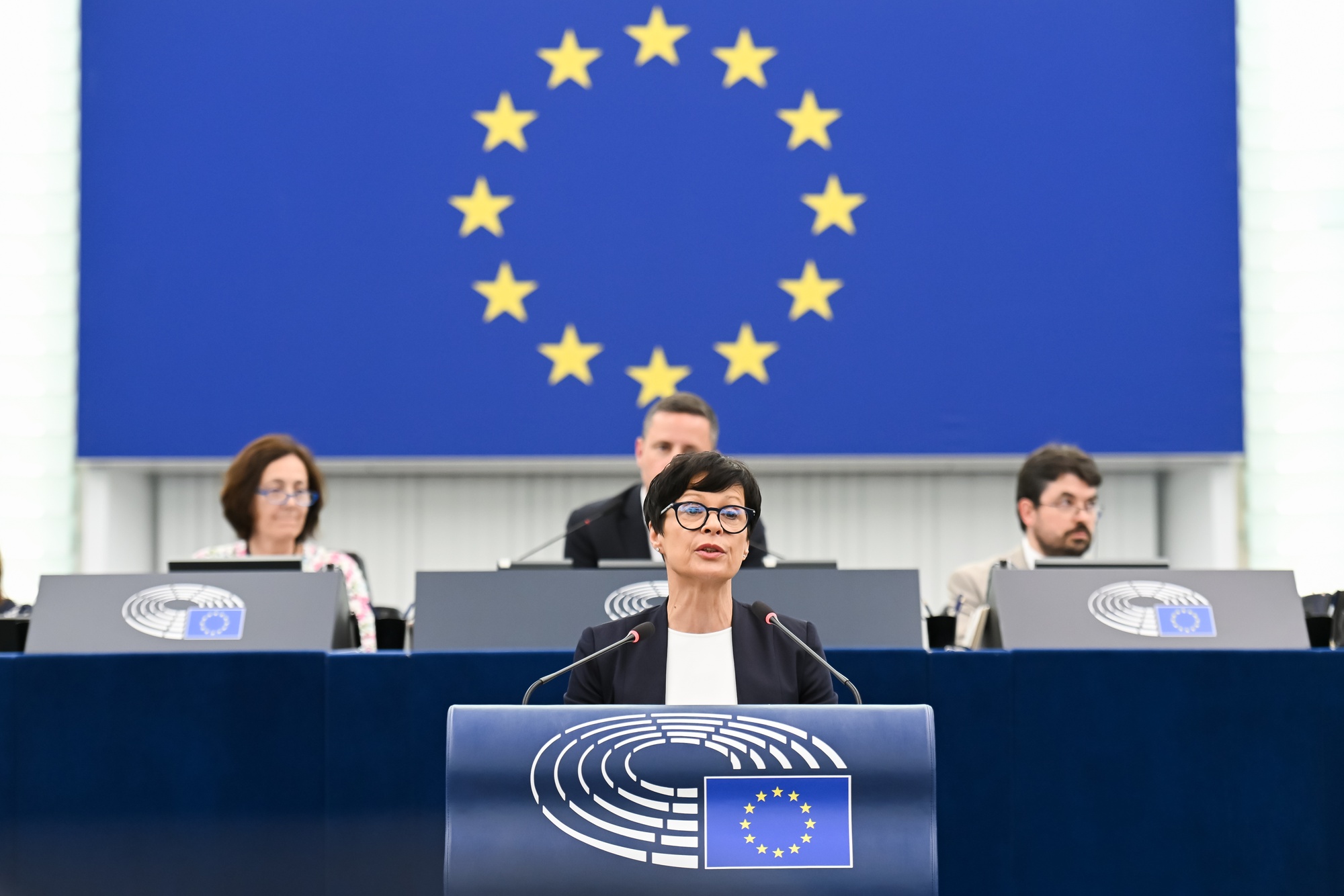
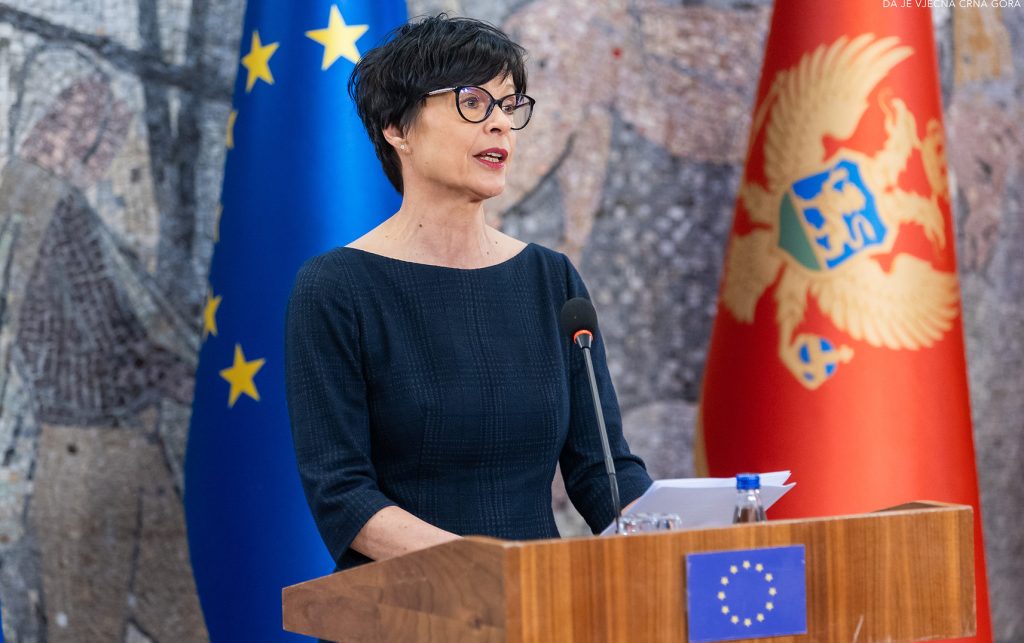
Fewer decisions requiring unanimity, new powers to withhold EU funding and restrict voting rights for new members that breach rule of law commitments – these are among the measures proposed by the European Commission to prepare the bloc for its next enlargement, unveiled by Enlargement Commissioner Marta Kos on Tuesday.
The Commission will also present roadmaps with indicative timelines for four frontrunners, Montenegro, Albania, Ukraine and Moldova, later this month. At the same time, Brussels is proposing a more ambitious approach to gradual integrating candidate countries ahead of membership, conditional on reforms and closer strategic alignment with the EU.
The Commission wants to expand the use of qualified majority voting wherever existing treaties allow, reducing the number of areas in which a single member state can block decisions supported by the others.
Enlargement Commission Marta Kos cited sanctions, measures against tax fraud and intermediate steps in accession negotiations as examples where unanimity could be reduced.
The proposals also envisage greater use of “enhanced cooperation”, allowing groups of member states to move ahead in specific policy areas while leaving the door open for others to join later.
Across the Balkans
Justina Shiroka-Pula elected President of Kosovo by Parliament
BiH risks losing 379.9 million euros from the Growth Plan
Budapest-Belgrade high speed passenger trains expected to launch in December
Judiciary in North Macedonia and the risk of state capture
Why is Milorad Dodik the biggest winner of the general elections in BiH?
“Nova” staff accuse the new owner of imposing a chief editor just ahead of the election
What are the results of BiH’s general elections?
Protests escalate in Pristina over amendments to Specialist Chambers law