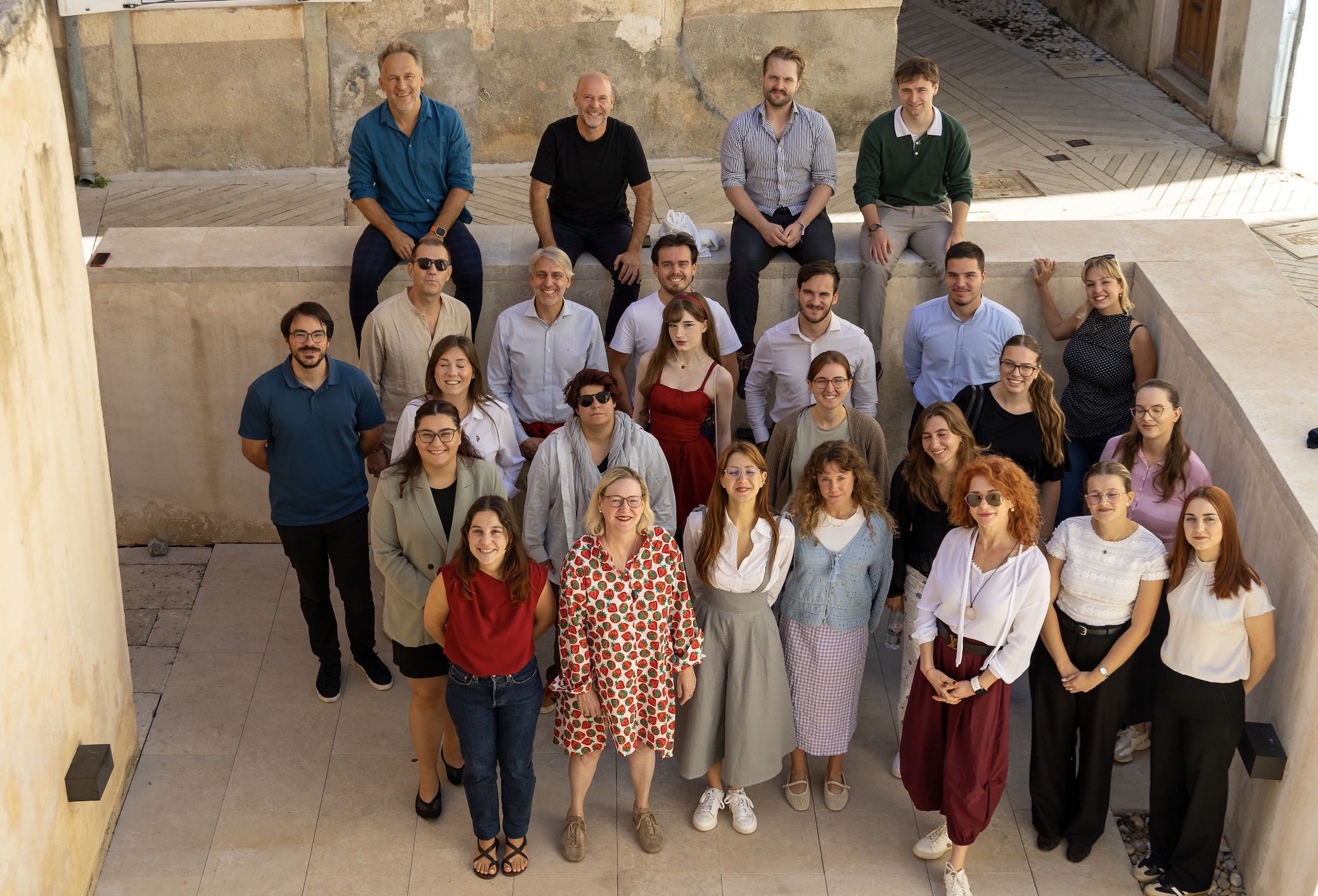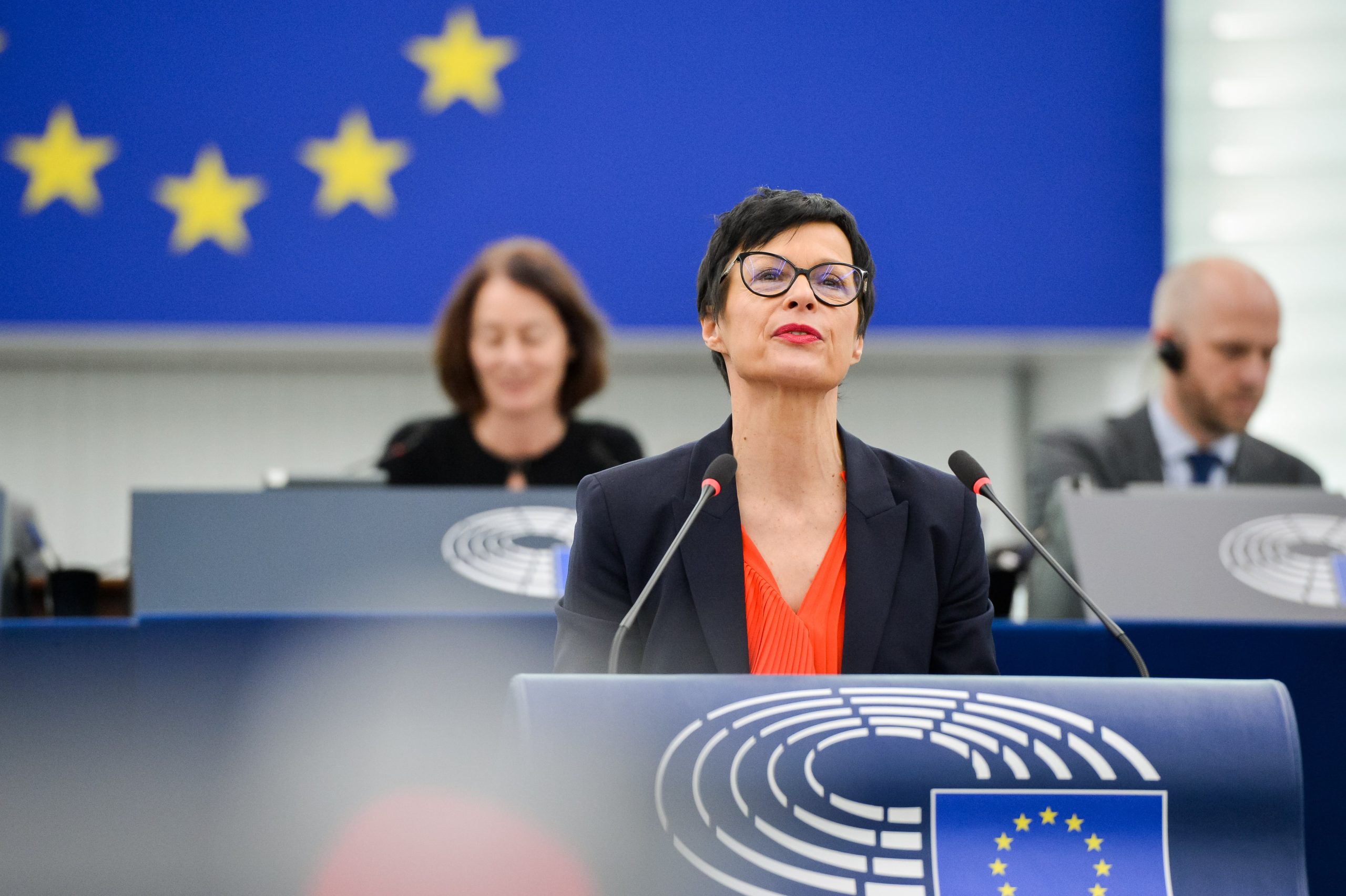
At the height of the student protests in Serbia, the European Commissioner for Enlargement delivered a speech at the College of Europe campus in Tirana, focusing on youth engagement and the role of civil society in democratic processes. In her remarks, she drew a parallel with the youth protests against the communist regime in Czechoslovakia in 1968, emphasizing that EU accession should not be viewed as a process driven exclusively by governments, but rather as one that involves society as a whole.
The history of Czechoslovakia, however distant, is meaningful. But it does not replace the responsibility to respond to current political developments in our region. The Serbian student movement offered a powerful and timely example of precisely the kind of civic engagement, democratic commitment, and demand for accountability that the Commissioner was advocating.
Her failure to explicitly acknowledge or refer to this movement raises a legitimate question: why was the courage and democratic contribution of Serbian students left unmentioned, particularly at a moment when their actions so vividly embodied the very principles her speech sought to promote?
For many years, the EU has prioritised the illusion of superficial stability over genuine democratic progress, turning a blind eye to the absence of a level playing field and the steady erosion of democratic standards. Serbian protesters have repeatedly witnessed European leaders visiting the country and lending political support to the government, without publicly addressing or questioning the increasingly evident democratic backsliding. This approach began to shift, albeit modestly, last year, when the Enlargement Commissioner stated that the EU shared the demands of the student movement.
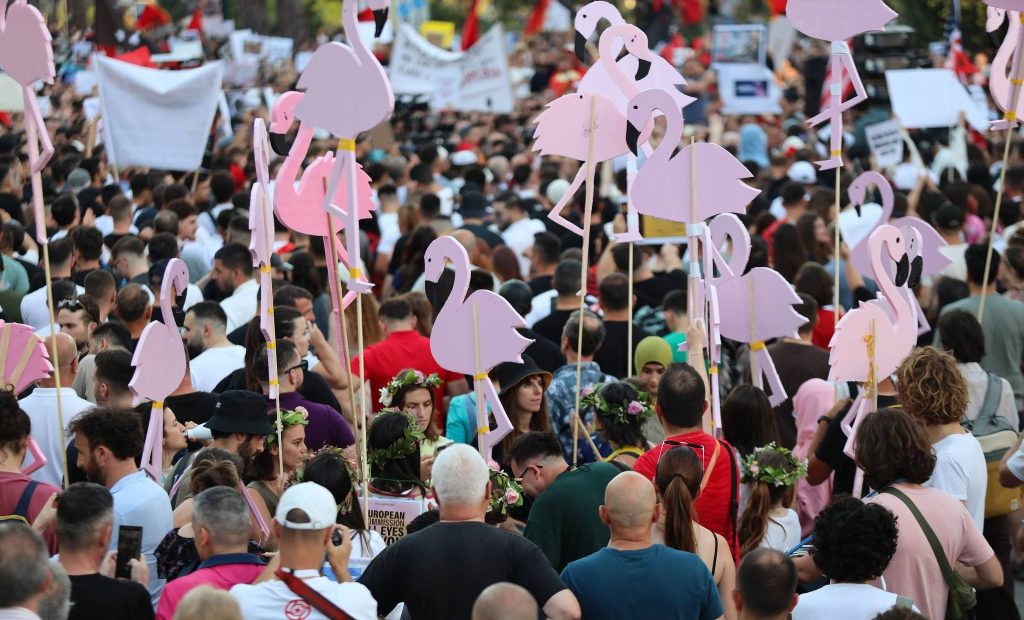
Five months after the outbreak of mass protests in Albania over corruption and the way decisions concerning the country’s future are made, the EU appears to be pursuing a “split-screen” approach to the country’s accession process. While Albania continues to receive positive headlines on less contentious negotiating chapters, progress on chapters related to the rule of law and the environment remains closely intertwined with the political tensions and daily protests unfolding across the country.
For years, the debate surrounding Albania’s EU membership prospects has revolved around a familiar set of challenges: the rule of law, corruption, the oligarchic capture of state institutions, organised crime, and persistent institutional weaknesses. These are precisely the issues that have brought citizens onto the streets.
Their demands for accountability and democratic governance should not be seen as obstacles to Albania’s EU path. On the contrary, they represent an essential part of the process. By demanding change and holding those in power accountable, protesters are not challenging Albania’s EU path. They are calling for it to move forward. They are exercising the very rights and responsibilities that define active and responsible citizenship in a democracy.
The government has sought to portray the protests as being backed by actors whose aim is to undermine Albania’s EU accession process. Yet protests and EU accession path are by no means mutually exclusive. The protesters are demanding the very changes that the EU accession process, despite the opening and closing of negotiation chapters, has so far failed to deliver: an end to the excessive personalisation of political power, the normalisation of corruption and organised crime in public life, persistent economic inequalities, and growing social polarisation.
These demands deserve serious political consideration, as they are fundamentally consistent with the democratic principles, values and standards that underpin the EU and its enlargement process.
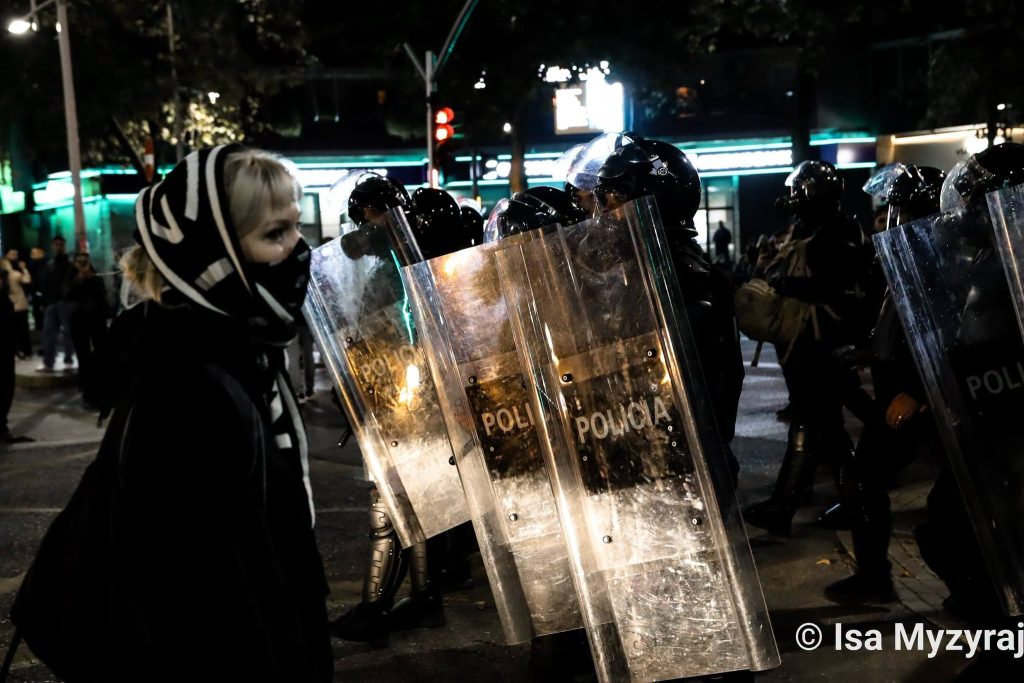
It is important to recognise that the grievances underpinning protests in Albania are distinct from those driving youth mobilisation elsewhere in Europe. Across the continent, student movements have increasingly emerged against a broader climate of uncertainty and growing pessimism about the future.
Their frustration reflects a Europe struggling to define its direction amid a series of mounting structural challenges: an ageing population, rising public debt, increasing pressure on welfare systems as defence spending expands, widening divisions over immigration, and the difficulty of adapting to technological transformations that will shape the decades to come.
Faced with these challenges, governments have struggled to articulate a compelling vision of the future to a younger generation increasingly anxious about its prospects and opportunities.
In Albania, however, the sources of public discontent are different. The anger is rooted in the experience of a generation that has grown up amid repeated political scandals, persistent social and economic difficulties, and the prolonged dominance of the same political leadership. Young people have watched the same problems resurface time and again, with little accountability and few credible solutions.
Their frustration is therefore not merely a reflection of uncertainty about what the future holds, but a rejection of a political reality that has remained largely unchanged for years. What they are demanding is a decisive break with the past and the opportunity to shape a different future for their country.
Overcoming Albania’s current political impasse requires meaningful engagement and support from the EU. Previous examples of EU involvement in political crises across the region, in contrast to its response to developments in Serbia, demonstrate how consequential such engagement can be in advancing a country’s European integration.
This should not be understood as external interference in domestic affairs. Rather, the EU has both the political authority and the institutional instruments to act as a facilitator, helping to bridge the persistent gap between the rule of law as a formal accession requirement and its actual implementation in society. Its role should be to encourage accountability, strengthen democratic institutions and help create the conditions for genuine political dialogue and reform.
Although the Enlargement Commissioner recently stressed that environmental protection and the democratic handling of protests are integral to Albania’s EU accession commitments, these statements have yet to be matched by concrete action. In doing so, the European Commission risks missing an important opportunity to strengthen the link between citizens’ democratic aspirations and the EU accession process.
After all, the rule of law cannot be meaningfully upheld when citizens’ voices are not genuinely heard and their demands for democratic accountability go unaddressed. Respect for the rule of law must extend beyond formal commitments and negotiating benchmarks. It must be reflected in the way power is exercised and citizens’ rights are respected in practice.
The credibility of the enlargement process require the EU to stand firmly behind citizens who are calling for the same democratic standards that it demands of candidate countries. In Albania, where support for EU membership remain strong, protesters continue to look to Europe as a source of democratic principles and accountability. The prospect of EU accession remains, perhaps more than ever, the only political vision capable of commanding broad and sustained support across Albanian society.
Preserving that support, however, requires the EU to demonstrate that its commitment to democratic standards is reflected not only in its accession conditionality, but also in its response to the political situation Albania is facing.
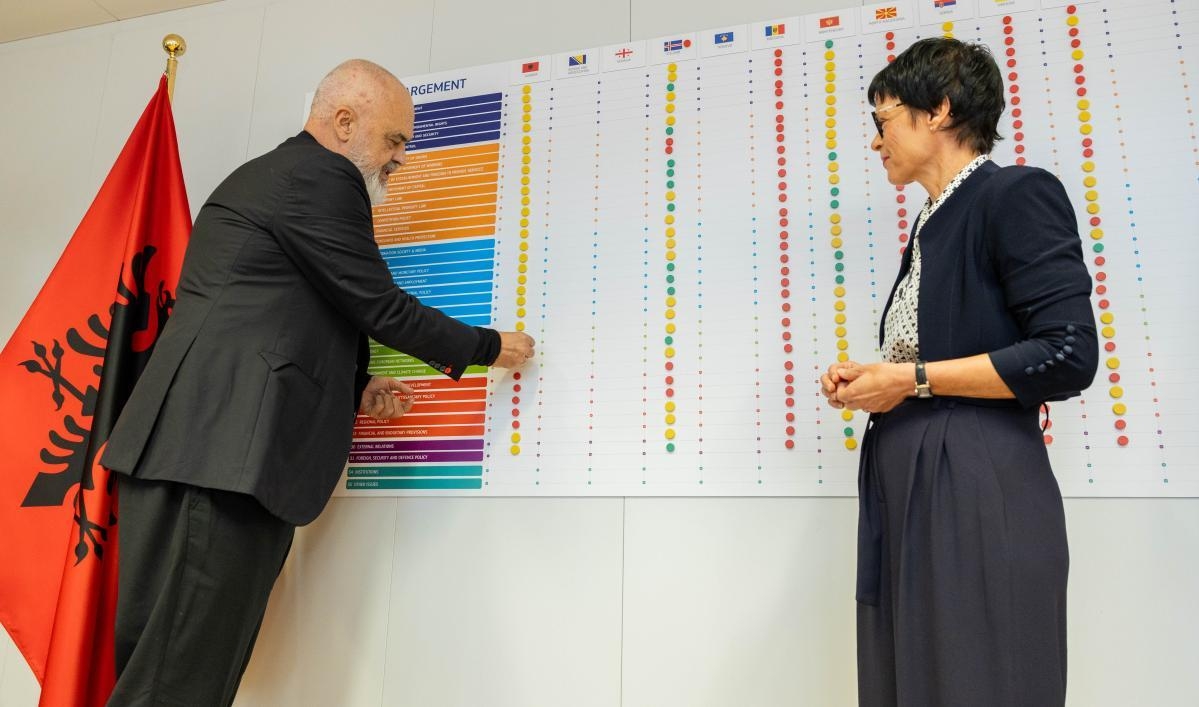
The recently published enlargement policy review aims to make the EU enlargement-proof with weaker and poorer states. The rule of law and geopolitical alignment are preconditions for this. With Albania now among the frontrunners in the accession process, the EU’s influence and leverage over the country have reached a critical point.
This gives the EU an opportunity to help bridge the rule of law gap and to demonstrate a stronger commitment to Albania’s democratic future. This means ensuring that reforms go beyond formal commitments and legislative changes, become irreversible and translate into tangible improvements in the lives of Albanian citizens.
The article has been prepared within the project “The 3 R’s of EU Integration – Rule of Law, Resilience, and Reform”, implemented by the Institute for Democracy and Mediation (IDM Albania). Supported by a grant from Open Society Institute – Sofia Foundation (OSIS) with the support of Open Society Foundations (OSFs). Responsibility for the contents and views expressed in the publication therein lies entirely with the Institute for Democracy and Mediation (IDM Albania) and in no way can be construed as reflecting the official position of OSIS, OSFs or any affiliated entities.