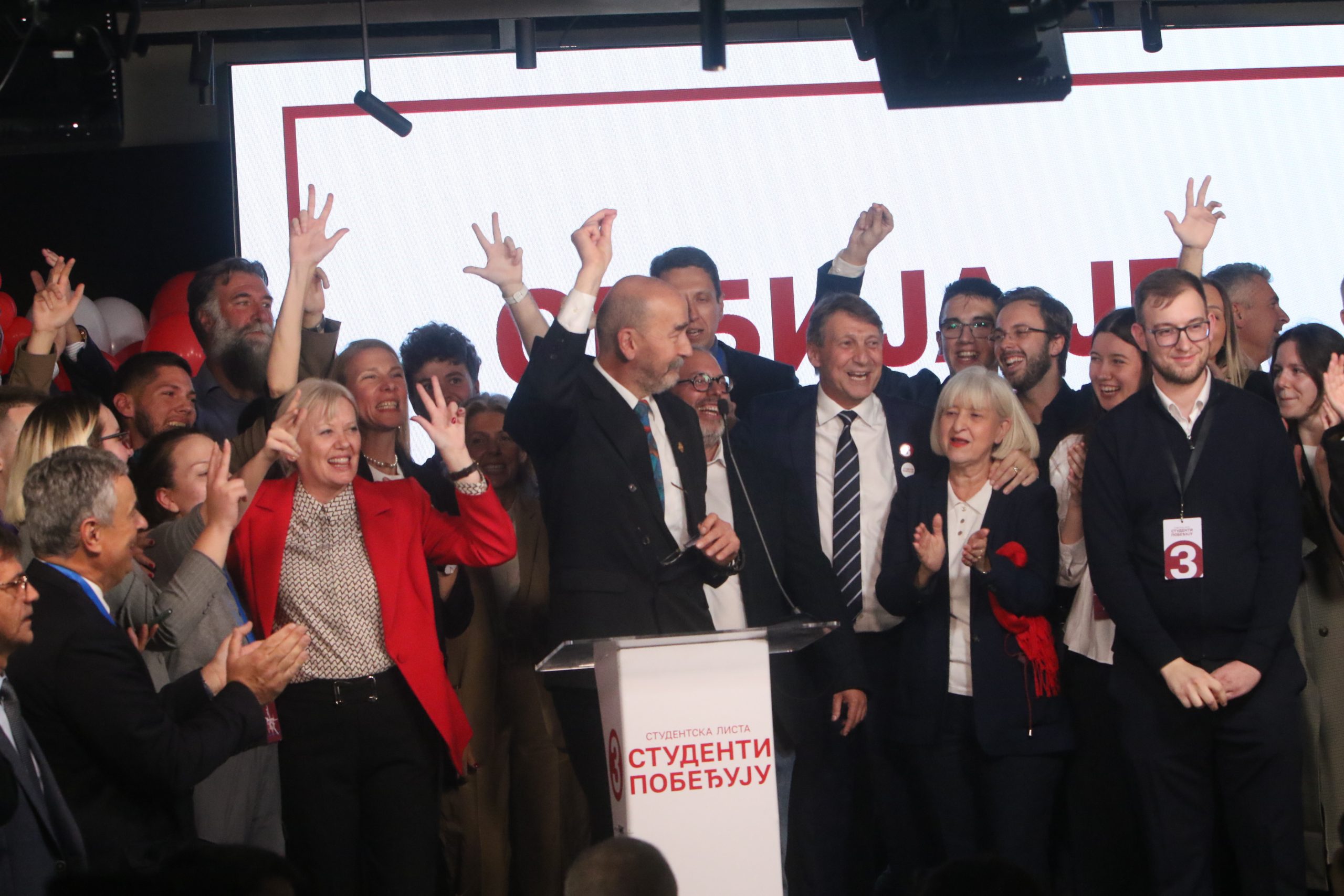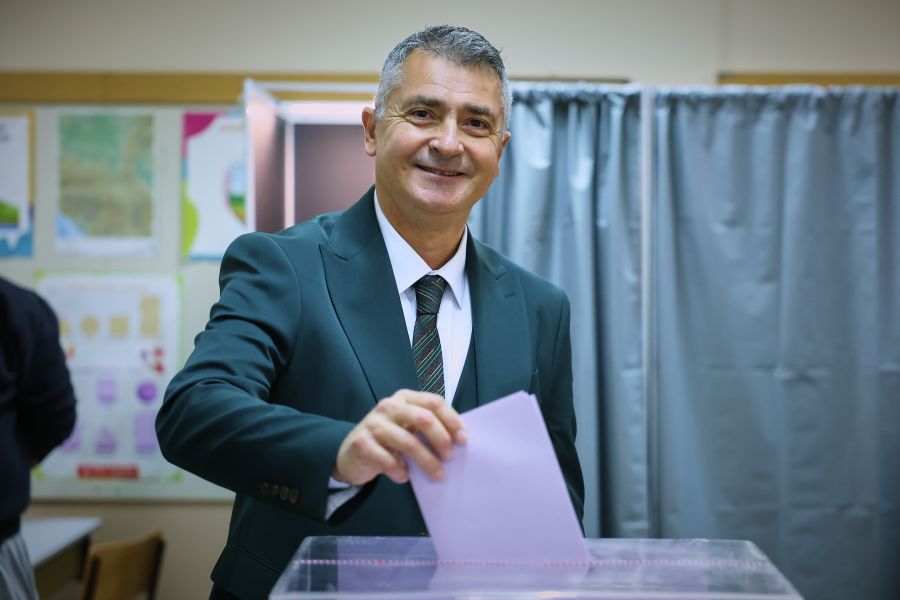
BELGRADE – Ilija Srdanović, the first candidate on the Student List, which won the most votes in Sunday’s snap parliamentary election, said the new government will continue EU integration process and the dialogue on the normalisation of relations with Kosovo.
In an interview for Radio Free Europe (RFE) Srdanović said the future government would focus on reforms in the rule of law and seek to improve public support for EU membership. He also said agreements reached in a dialogue with Kosovo would be respected, although they could be reviewed for their compliance with Serbia’s Constitution.
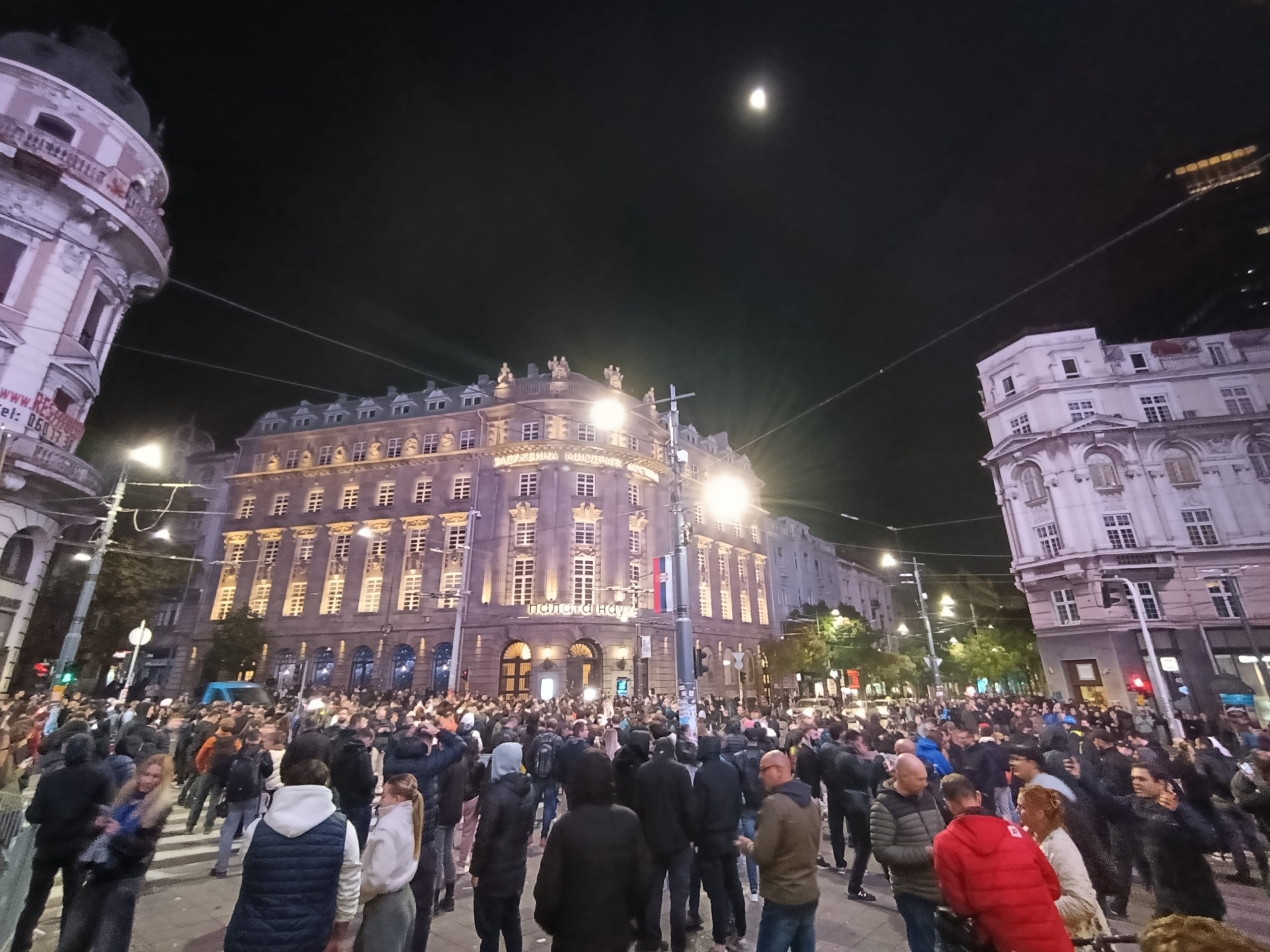
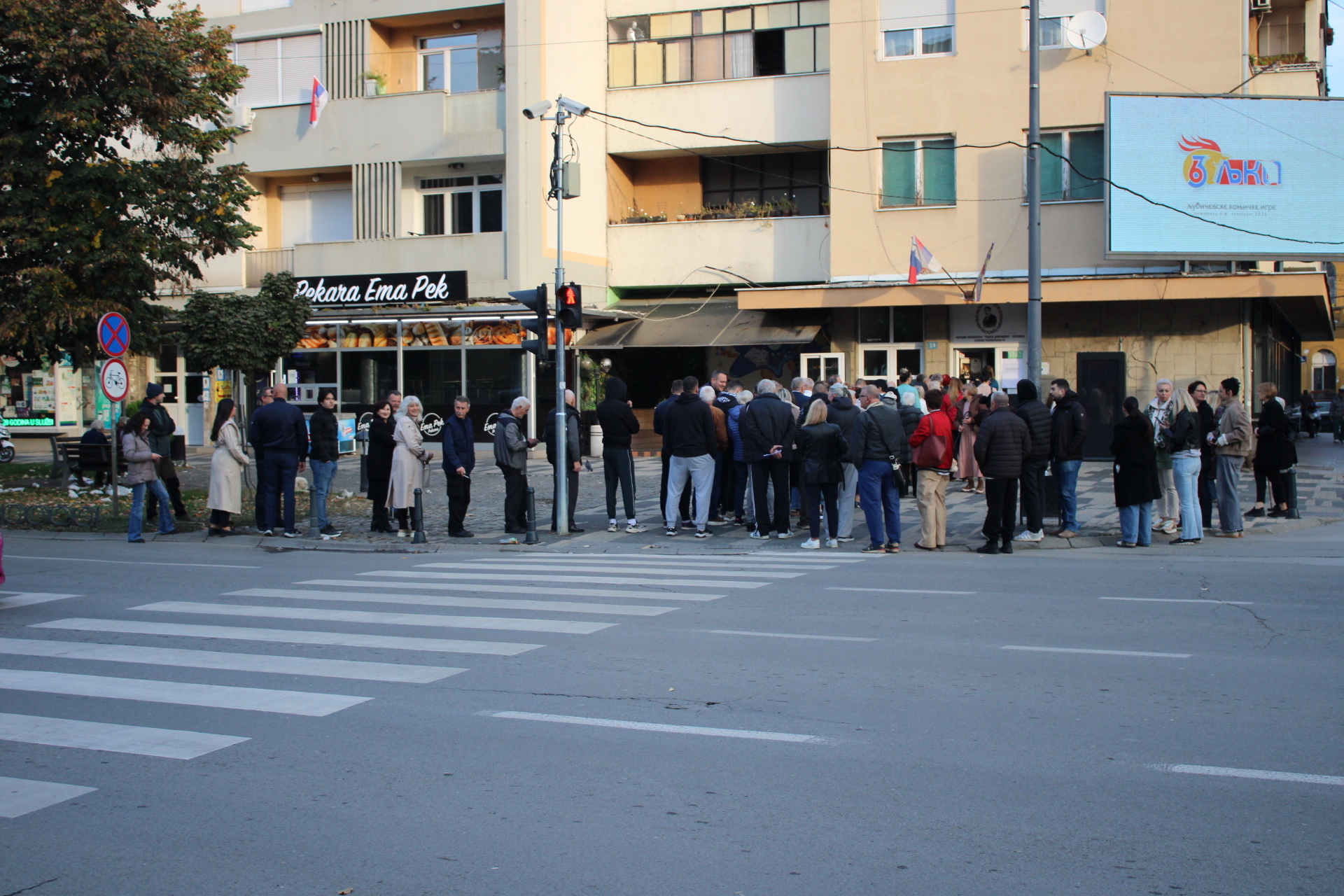
The Student List defeated the Serbian Progressive Party (SNS) in the snap parliamentary election held on Sunday. The vote brought an end to 14 years of rule by the SNS and its allies.
“We remain on the path of European integration. Serbia committed itself to the process back in 2000, 26 years ago. That work will continue. What we can certainly promise is that we will not do what the previous government did, which was to lose 20% points of public support for European integration in Serbia over a period of 15 years”, Srdanović said.
He criticised the outgoing authorities over a decline in public support for European integration, saying the future government would seek to ensure that citizens were informed about what EU membership would bring.
Srdanović said the authorities would align domestic policy with the requirements of Chapter 23 and 24, which cover the judiciary, fundamental rights, justice, freedom and security.
He identified the rule of law, equality, the fight against corruption, functioning institutions and media freedom as priorities.
Asked whether the Student List would continue the dialogue with Kosovo on the normalisation of relations, Srdanović said it was a fundamental part of its political programme.
“The continuation of dialogue on Kosovo and Metohija is a fundamental part of the students’ plan,” he said, adding that the Student List’s approach to domestic and international relations was based on respect for Serbia’s Constitution.
Asked whether this included full implementation of the 2013 Brussels Agreement, Srdanović said the future government would respect internationally agreed protocols, but that agreements reached by Serbian officials could be reviewed to determine whether they were in line with the Constitution.
He did not say whether the future government would hold talks with Kosovo Prime Minister Albin Kurti, noting that the Student List had not yet taken office and that decisions on issues of strategic importance would be made after a government was formed.
Srdanović also declined to take a position on a possible request for the extradition of Milan Radoičić to Kosovo, saying decisions on such matters would be made in accordance with Serbia’s legal procedures.
He told Radio Free Europe that the new authorities would respect international political agreements signed by the outgoing government. Agreements with foreign companies concerning investments in Serbia would also be respected, he said, provided they complied with Serbia’s legal system and international acts.
Asked whether the future government would also reconsider Serbia’s relationship with Russia, Srdanović said the issue would be discussed through an open dialogue within Serbian society.
“All questions concerning international relations must be addressed through an open dialogue involving our citizens. They cannot be decided by one person,” he said.
Srdanović added that citizens should have the opportunity to choose the direction they believe is best for them, and that the discussion must be open and transparent.