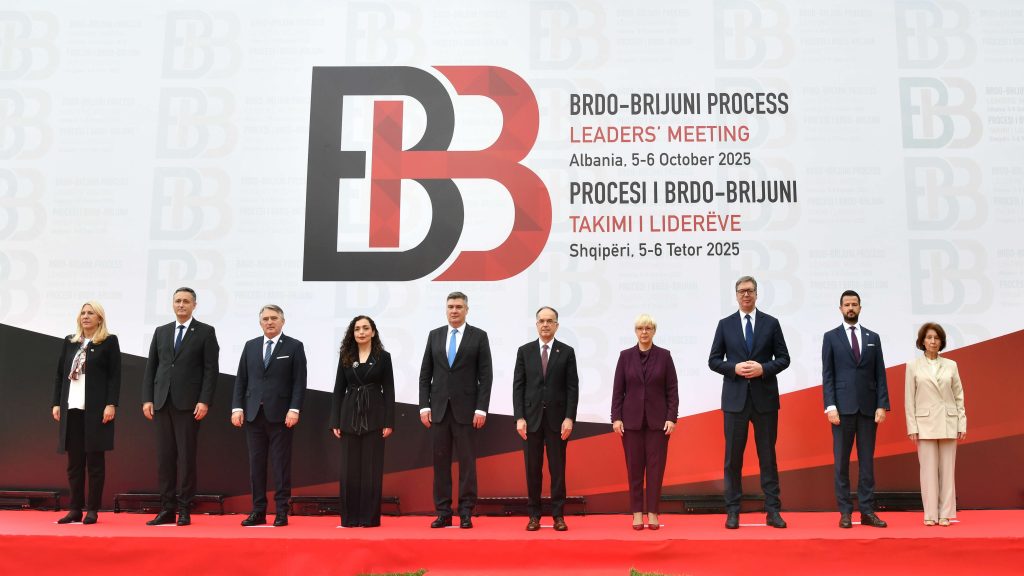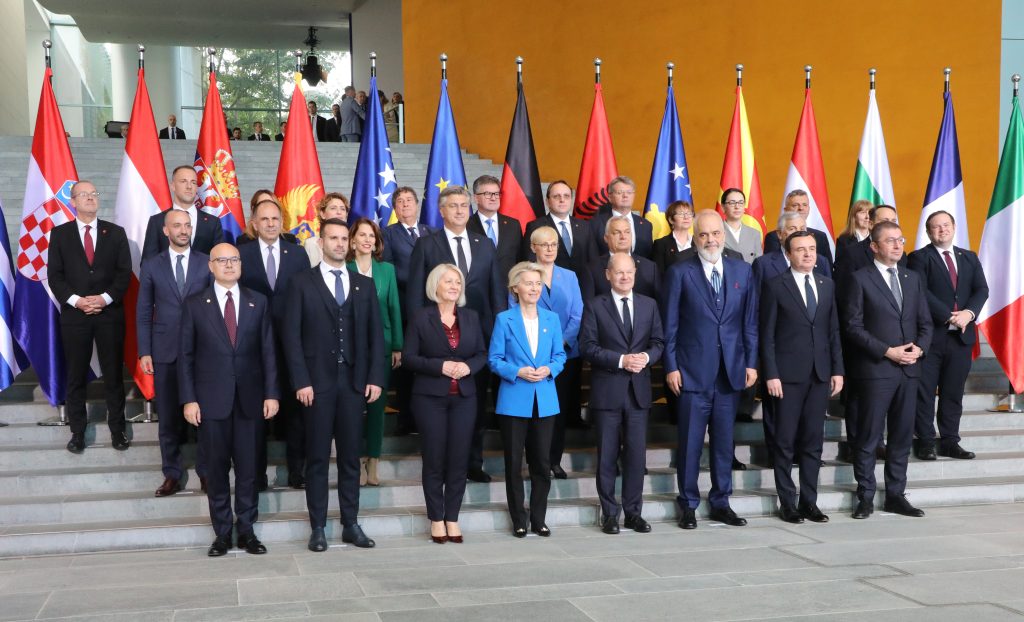
BERLIN – The Berlin Process Summit 2024 reaffirmed the EU’s commitment to the Western Balkans, emphasising economic integration, governance reforms, and the Common Regional Market (CRM) as key elements for advancing EU accession. However, ensuring that the CRM delivers on its full potential requires clearer institutional and policy alignment, which the Berlin Process should encourage in 2025, while the national government must work to integrate CRM goals into their domestic economic policies.
These are some of the main findings of the publication released as part of the Civil Society and Think Tank Forum, which discusses the achievements of the Berlin Process over the past year and provides recommendations on what should be the priorities for 2025.
It is stressed that in 2025, the Berlin Process should consider establishing a structured mechanism to track CRM and Growth Plan progress, increase accountability, and ensure that commitments translate into concrete actions.
“Effective communication strategies remain essential to reinforcing public trust and engagement in regional initiatives. Currently, communication efforts are fragmented and public awareness of CRM benefits remains low”, the document states.
It underlines that the creation of interactive digital platforms to track CRM and Growth Plan milestones would provide real-time updates and allow for public feedback, which would further strengthen engagement.
Document calls for stronger implementation mechanisms, enhanced monitoring alignment, and a comprehensive communication strategy to maximise the impact of CRM and the Growth Plan.
When it comes to the priorities of Civil Society Forum in 2025, document says that CSF must bring attention to the rule of law, democracy, and good governance as central pillars of the regional framework, ensuring that these values are consistently addressed in all discussions and agreements.
“The CSF should work to empower citizens, especially those from marginalised communities, by ensuring their voices are included in policy dialogue. It must promote the active involvement of local communities in the decision-making process, fostering a sense of ownership over regional platforms. Additionally, the CSF should advocate for increased funding for civil society-led initiatives that focus on monitoring and accountability, providing an extra layer of transparency of regional commitments”, the publication recommends.
It is added that in 2024, national governments have made some progress on the recommendation to “target reforms that would unlock financial incentives by the EU, thereby fostering institutional participation”, particularly regarding CRM implementation and reform agendas. However, the implementation remains vital.
European stakeholders are recommended to reintroduce rule-of-law mechanisms into the Berlin Process agenda, as stronger rule-of-law frameworks are a prerequisite for accession to financial incentives under the Growth Plan.
“Rule of law reforms should not be seen as separate from economic initiatives but rather as a fundamental component that ensures investment security and institutional credibility. Enhanced judicial independence and anti-corruption measures will be necessary to strengthen regional economic resilience and encourage foreign direct investments”, the document adds.