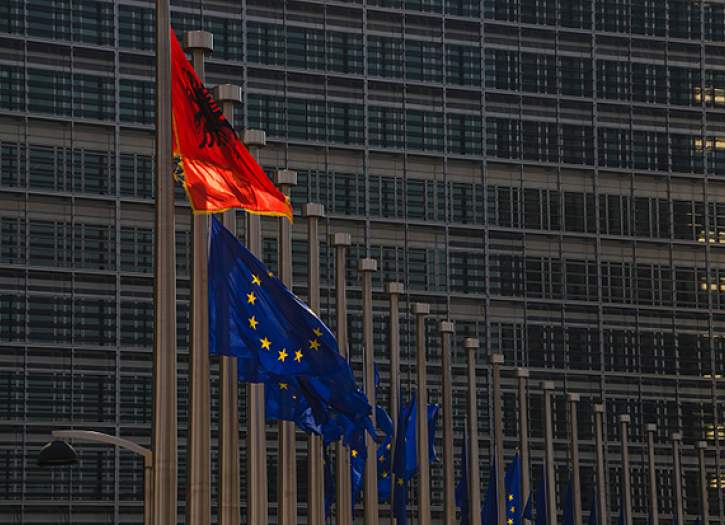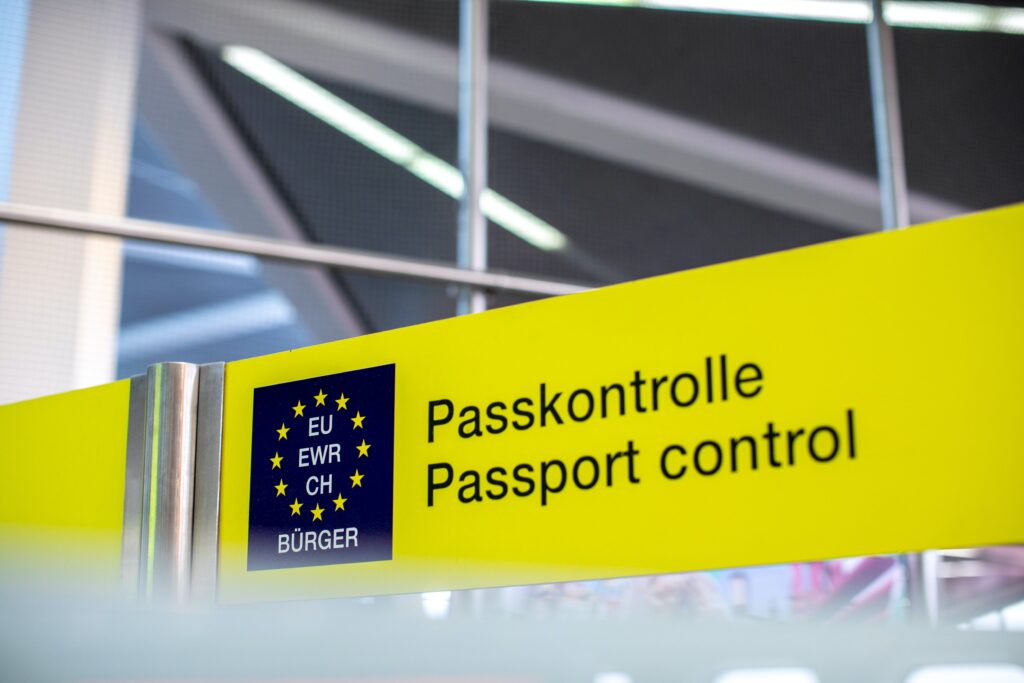
European Union institutions agreed earlier this week on the amendments to the EU’s visa rules, adding new grounds for the suspension of the current visa-free regimes with third countries, including severe breaches of international human rights. According to Matjaž Nemec, European Parliament Rapporteur for the new regulation, the reform did not focus on any particular country, but any country that currently has a visa-free regime with the EU “should pay attention and not backtrack on their commitments and already achieved progress”.
“As new challenges appear, countries or regions could be affected in the short time-frame”, Nemec says for the European Western Balkans.
All Western Balkan countries are currently exempt from the visa requirement when crossing the EU’s external borders for stays of no more than 90 days.
The current Regulation on the EU’s visa requirements was adopted in 2018. This Regulation is now expected to be amended, following the agreement of the two co-legislators in the EU – the European Parliament and the Council of the European Union, which represents Member States. According to Matjaž Nemec, the vote in the European Parliament on the new Regulation is expected in October.
What are the new grounds for suspending visa-free travel?
Currently, the European Commission can suspend the exemption from the visa requirement if there are substantial increases in the number of non-recognised asylum applicants or refusals of entry from a third country.
The Commission can also make this decision, based on the current rules, when there is a decrease in cooperation on readmission with that third country or when there is an increased risk to the internal security of Member States linked to the nationals of that third country.
The proposal for an amended Regulation adds new grounds for visa suspension to the existing ones. Among others, these are hybrid threats, such as state-sponsored instrumentalisation of migrants, and investor citizenship schemes (“golden passports”), which raise security concerns. A country’s lack of alignment with EU visa policy will also be the new ground for the suspension of visa-free travel.
Notable new grounds, proposed by the European Parliament, also include violations of the United Nations Charter, severe breaches of international human rights or humanitarian law, and non-compliance with international court decisions.
Also, based on an EP proposal, it was agreed that the Commission can prevent member states from exempting diplomatic and service passport-carrying government and state officials from visa suspension.
Nemec: The need for changes arose in recent years
According to Matjaž Nemec, the current suspension mechanism did not allow for the temporary reintroduction of visas if the political or geostrategic situation so required.
“In the EP, we wanted to primarily close this legal gap that existed, as we believe that the EU need to have at its disposal different political and legal tools to respond to emerging challenges and threats, including in EU visa policy. The need for it perhaps arose in recent years, with an authoritarian shift of tide in Georgia, but in my view also in Israel with its war crimes and even genocide being committed in Gaza”, Nemec says for our portal.
He adds that EU visa policy – and this mechanism – should serve as a deterrent tool and as a source for promoting European values abroad.
“Of course, in an ideal world, which at the moment is much more complicated than that”, Nemec concludes.