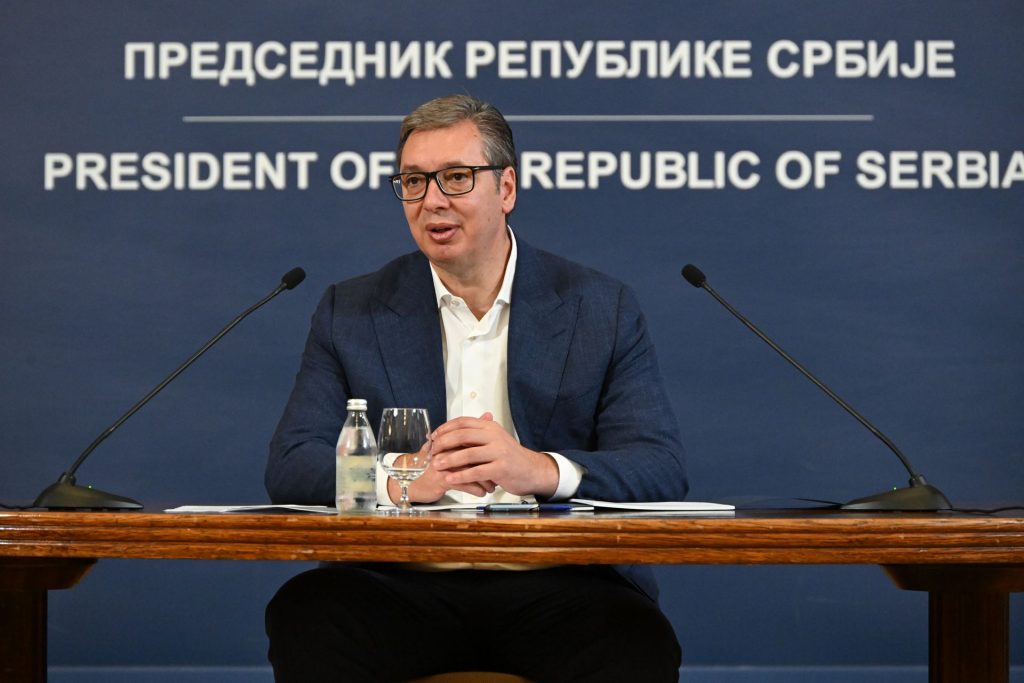
BELGRADE – In an attempt to polish up his tarnished reputation in the West, Serbian President Aleksandar Vučić has recently launched a “counter-offensive” in international media such as the Financial Times, Euronews, Guardian, and the New York Post.
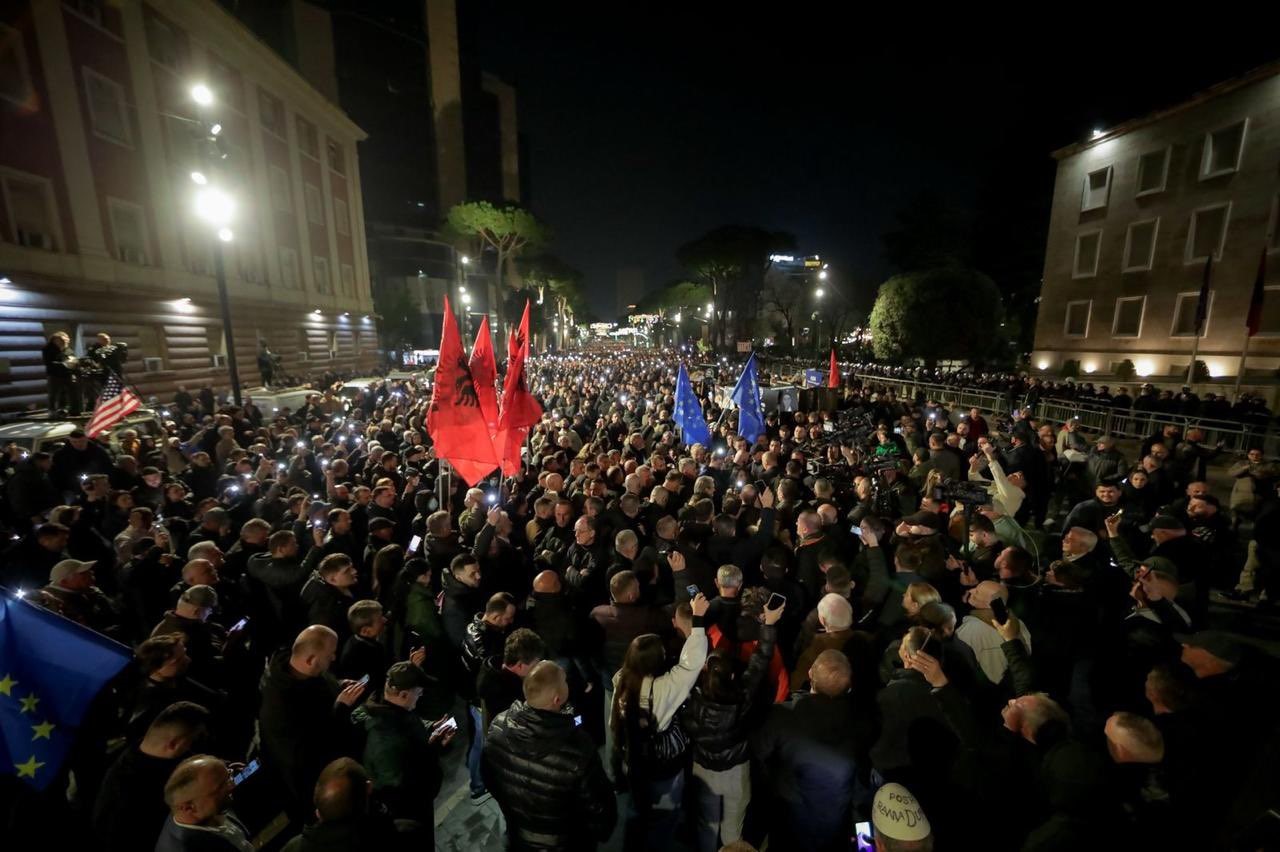
These articles highlight that Serbia has been experiencing nine months of the large-scale protests, initially sparked by the collapse of a canopy at the Novi Sad railway station, which resulted in 16 deaths, and exposed deeper public discontent with corruption and the governance in the country.
According to Vučić, he has repeatedly called for dialogue with the protestors, offering public debates, but these calls have been rejected.
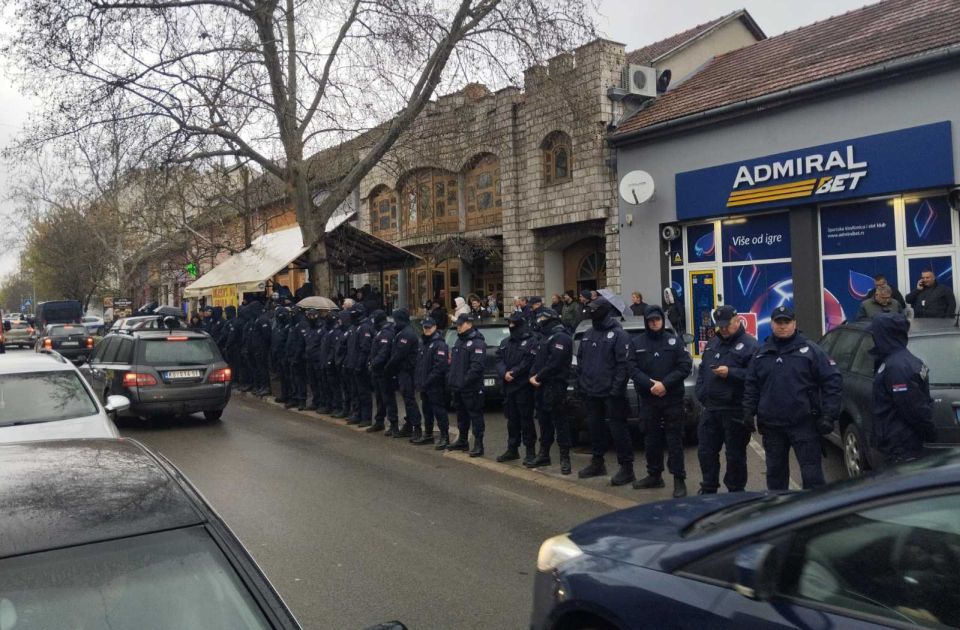
In addition, he defended the police’s handling of the protests, stating that their reaction is “almost incompatible” to the police forces in the key EU member states, and that they have shown “remarkable patience despite the aggressiveness of some protesters”.
On the other hand, Serbian President remains silent about the numerous reports that the protests turned violent as the protestors were provoked by thugs sent by the government to confront opponents.
However, he addressed the accusations of the widespread corruption in Serbia, acknowledging its presence, but claiming that he was dedicated to fight it.
“There is a lot of corruption, and we need to fight it much stronger. And I am very much dedicated, very much devoted to lead that fight, to lead the struggle”, he told Euronews.
Euronews further details Vučić’s alleged commitment to Serbia’s path to the EU membership, reiterating it as his top priority. In his words, the country “will remain very firmly on EU path, committed and dedicated to that path, conducting and implementing necessary reforms”.
The New York Post characterises Aleksandar Vučić as a “strongman president” who has ruled Serbia for over a decade, noting his political evolution “from the nationalist far-right to a centrist politician dedicated to EU membership”.
The article highlights “his skill in cultivating relationships with Western leaders while maintaining economic ties with China and a strong bond with Russia.
What is more, Vučić is depicted as “one of President Trump’s rare European partners”, who claims that protestors in Serbia are being paid 30 euros a day for “food”, suggesting external influence (attempts by the West to stage the “colour revolution” in Serbia).
“The protesters, he said, were pawns in the hands of Serbia’s foes trying to foment trouble in the country”, the New York Post reports.
In a similar vein, Vučić reacted to the editorial in the Financial Times, entitled “Time to stop indulging Serbia’s authoritarian president”.
“I invited protesters to engage in dialogue on multiple occasions, but these offers have been repeatedly refused. By declining to engage, the protesters have closed the space for genuine dialogue and progress”, he wrote in the letter to the Financial Times.
In Vučić’s opinion, “media portrayals of Serbia as on the brink of civil war – faced with a choice between authoritarianism or capitulation to a minority – further worsen the space for dialogue by inflaming domestic tensions”.
Alongside this “counter-offensive” in international media, Vučić and his associates continue to demonise the protestors in the vast majority of the Serbian media, including the tabloids, by labeling them “terrorists”.
Vučić also responded to the Guardian editorial that described him as “autocratic and cynical” and urged the EU not to ignore the demands of protesters in Serbia.
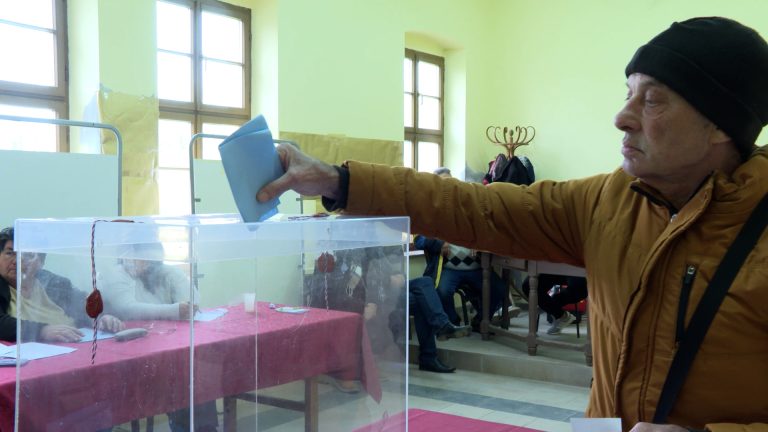
“Serbia is a democracy. It will hold elections before the 2027 deadline, as it has consistently done for more than a decade, and in the meantime it is making progress on electoral reforms,” he wrote.
The Serbian president added that the country cannot tolerate violence disguised as activism, which undermines institutions “carefully built with dedication and with the support of our European partners.”
Vučić’s letter was also published in the Guardian’s weekend edition, but not on the pages dedicated to international politics or world news. Instead, the Serbian president appeared with another personal opinion about music, food, festivals…