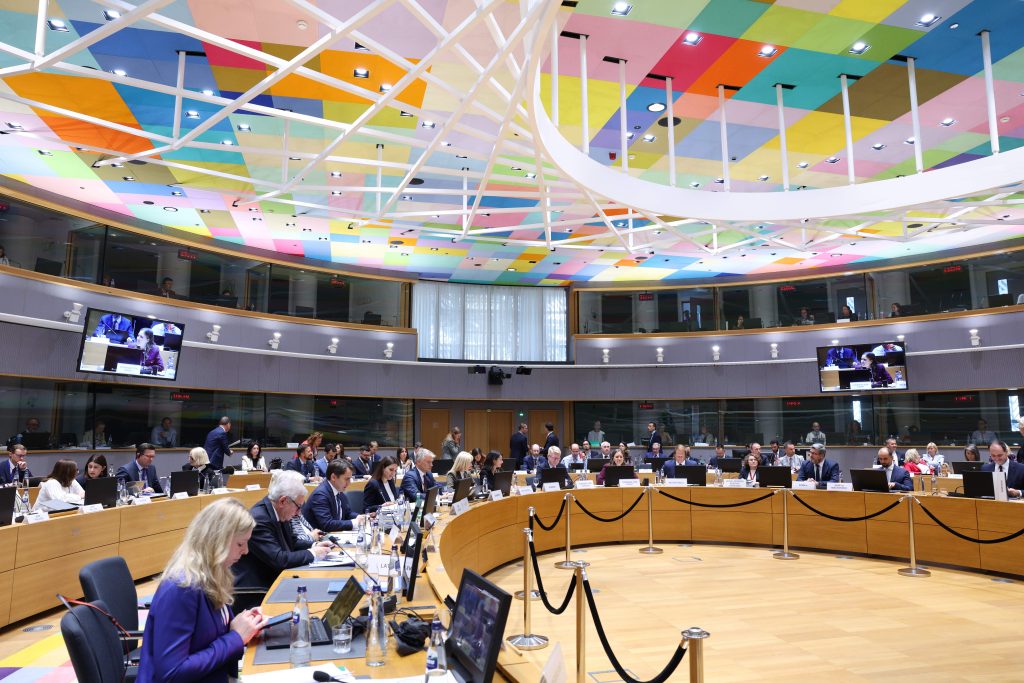
BRUSSELS – The state of the rule of law in Albania, Montenegro, North Macedonia and Serbia was one of the topics on the agenda of today’s meeting of the EU’s General Affairs Council. According to Enlargement Commissioner Marta Kos, who also participated in the meeting, “while we see tangible progress in many areas, serious concerns remain”.
“(There are) interference in judicial proceedings, undue pressure on officials investigating corruption, as well as politicisation of media regulators. All this is unacceptable”, Kos said at the press conference following the meeting.
She added that there can be no compromise on fundamental values and that they would be at the centre of this year’s enlargement reports.
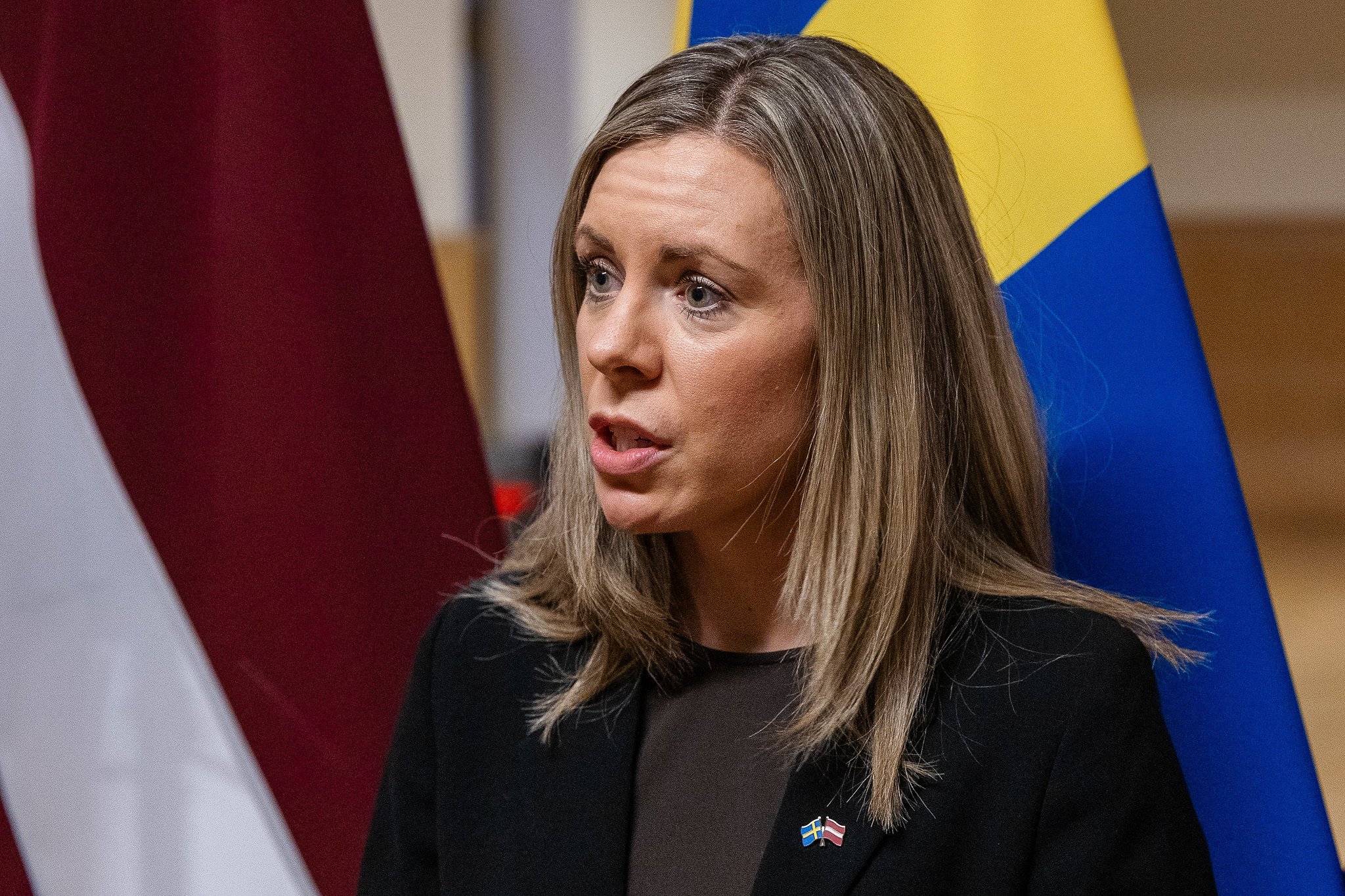
Marie Bjerre, Danish EU Affairs minister representing the presidency of the Council, reminded that this was the second time that the General Affairs Council had had this discussion with the candidate countries.
“It shows the further integration of the candidate countries with the EU and also that this is something that we take very seriously”, Bjerre said.
In addition to the rule of law, the General Affairs Council also discussed other issues, such as the preparation of the next European Council meeting.
Kos announced that the Commission will, in the coming period, present the EU’s first-ever civil society strategy to promote and protect CSOs across the Union and also in the candidate countries.
Speaking to the media after the meeting of the GAC, Maida Gorčević, Minister of European Affairs of Montenegro, stated that she had had a fruitful discussion with member states.
“Montenegro, as a frontrunner, got the commitment of all 27 member countries that we can fulfil everything that is needed by the end of 2026. This is a strong political commitment that will motivate Montenegro so that we can meet all the benchmarks”, Gorčević said.
Andreja Metelko-Zgombić, State Secretary for Europe of Croatia, also speaking to the media following the meeting, said that some member states explicitly mentioned Serbia during the discussion.
“Some countries spoke in general terms, but it was clear that they were speaking about the lack of freedom of assembly in Serbia, the lack of media freedom. We especially stressed hate speech, and many member states also did that, against other member states, EU institutions and its citizens”, she said.
The article has been updated.