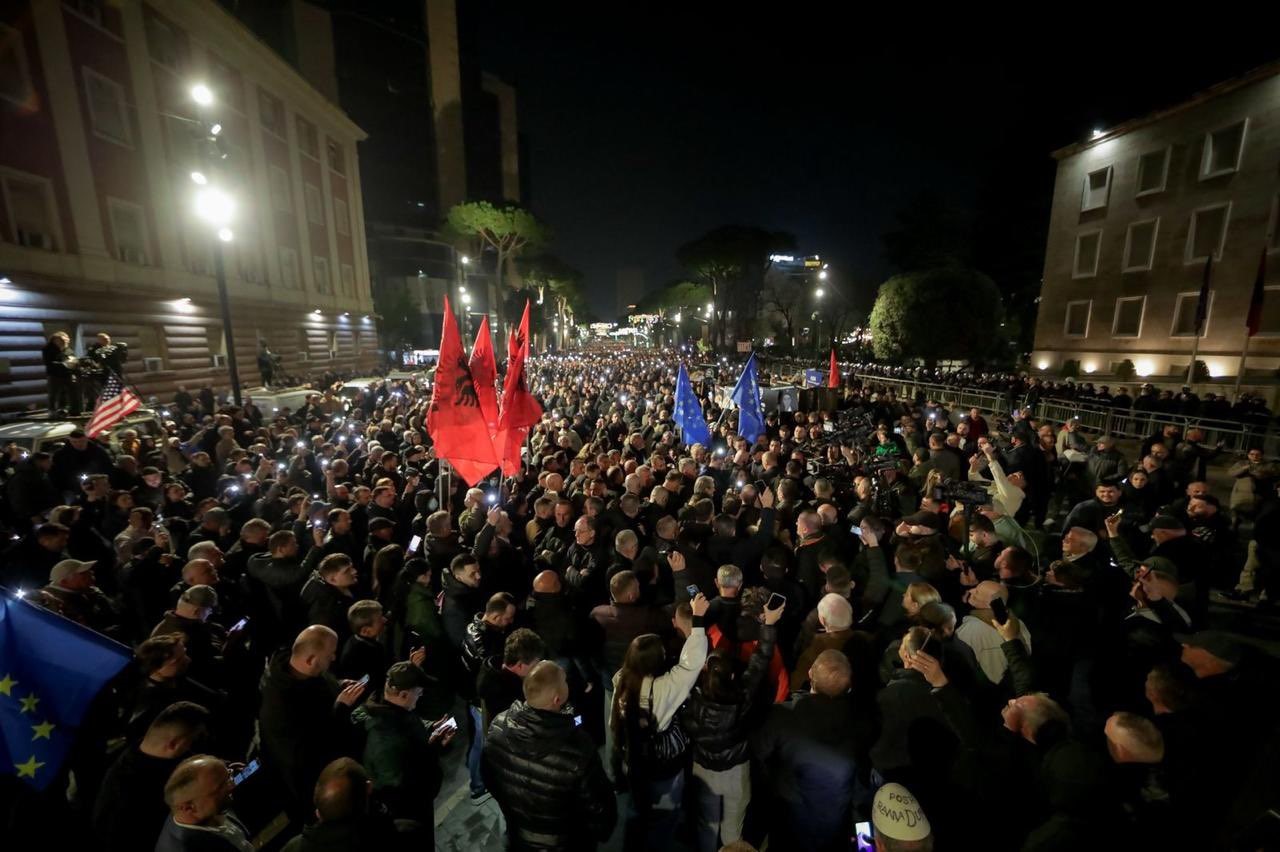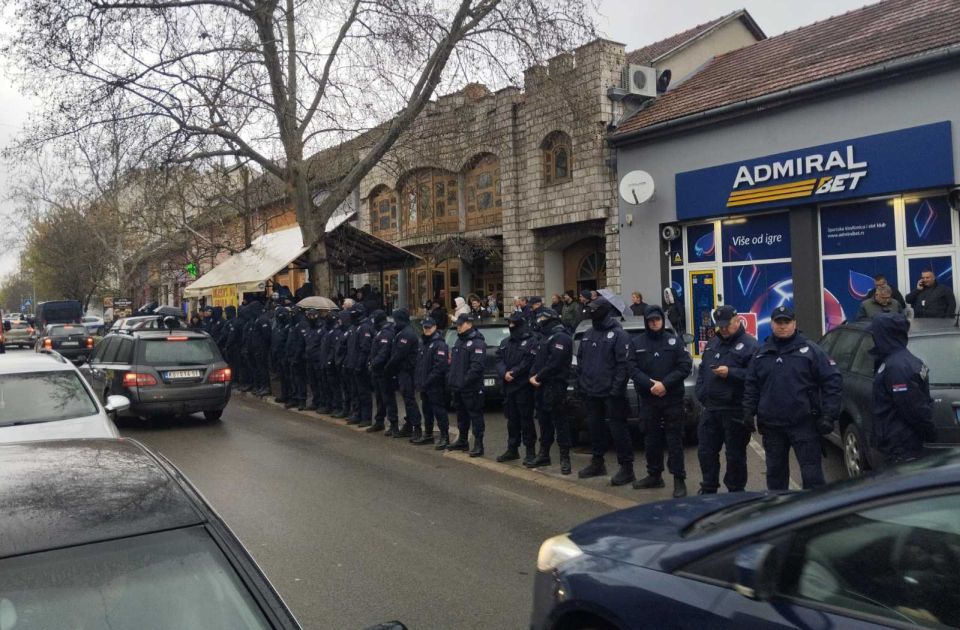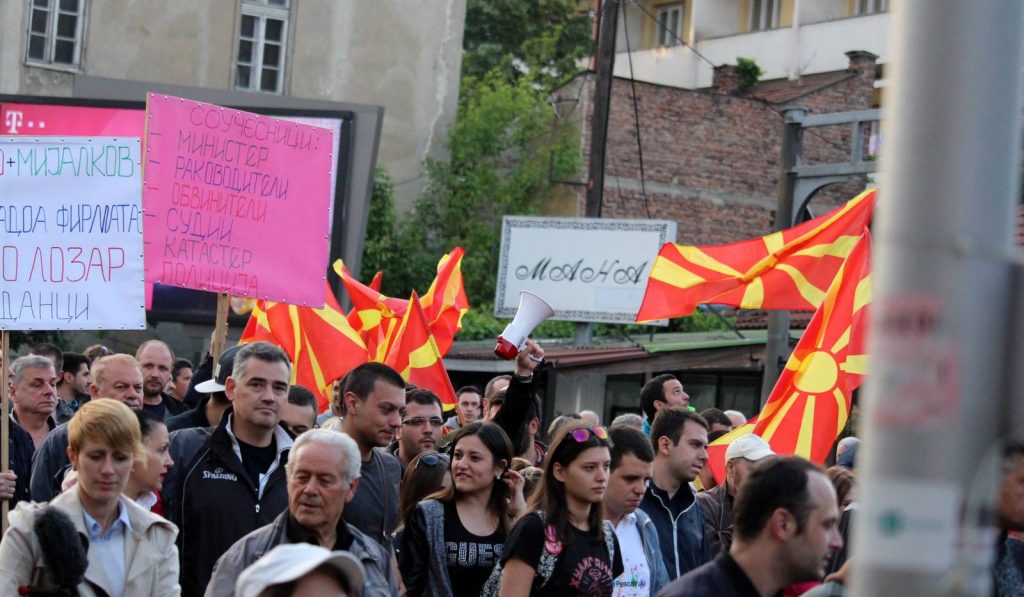
In the shadow of the standoff between the government and the protesters in Serbia, the solution to the conflict may lie in Skopje, in the district of Pržino. After the politically hot Macedonian spring of 2015, the Pržino agreement between the Macedonian government and the opposition, made way for a solution of the deep political crisis, similar to the current standoff in Serbia. In both cases, citizens mobilised in protest against systemic corruption and an increasingly authoritarian government, though the Macedonian spring was sparked by the ‘wiretapping scandal’, which was one element of repression against civil society, the free media, and opposition parties.
In Pržino, the parties agreed to appoint a Special Prosecutor to investigate the wire-taped conversations. The prime minister’s party, VMRO, agreed to a transitional all-party government, until new elections were held, and agreed to leave the floor if it did not win the elections by democratic means. Even if this Macedonian formula is almost identical to the Serbian students’ requests – investigations, rule of law and new elections – there are three key differences, internally and externally.