The first round of the local elections in Kosovo, held on 12 October, saw the return of the Serb List in the Serb-majority municipalities in the north after the boycott of the 2023 snap elections. The party of Prime Minister Albin Kurti, Vetëvendosje, came in second in the mayoral race in the capital of Pristina and the majority of other big cities.
Seventeen mayors were elected in the first round with more than 50% of the vote (nine of them in Serb-majority municipalities), while 21 municipalities will hold a runoff election on 9 November. All major parties are projecting confidence ahead of the runoff.
In 2021, Vetëvendosje (VV) scored a disappointing result in the local elections following its dominant victory in the parliamentary elections earlier that year. It won mayorships in only four municipalities, the biggest of which was the city of Gjilan.
The results are similar this time, with VV winning the most votes in Gjilan but coming second in the mayoral races in Pristina, Prizren, Pejë, where it proceeds to a runoff, and Ferizaj, where the opposition Democratic Party of Kosovo (PDK) won outright.
In Pristina, the incumbent mayor, Përparim Rama, a nominee of the Democratic League of Kosovo (LDK) won 34% of the vote, and is closely followed by Hajrulla Çeku of VV.
The elections are taking place amid an institutional crisis in Kosovo, triggered by parliamentary elections held in February this year. Although Vetëvendosje received the most votes, seven months later, no parliamentary majority has been formed.
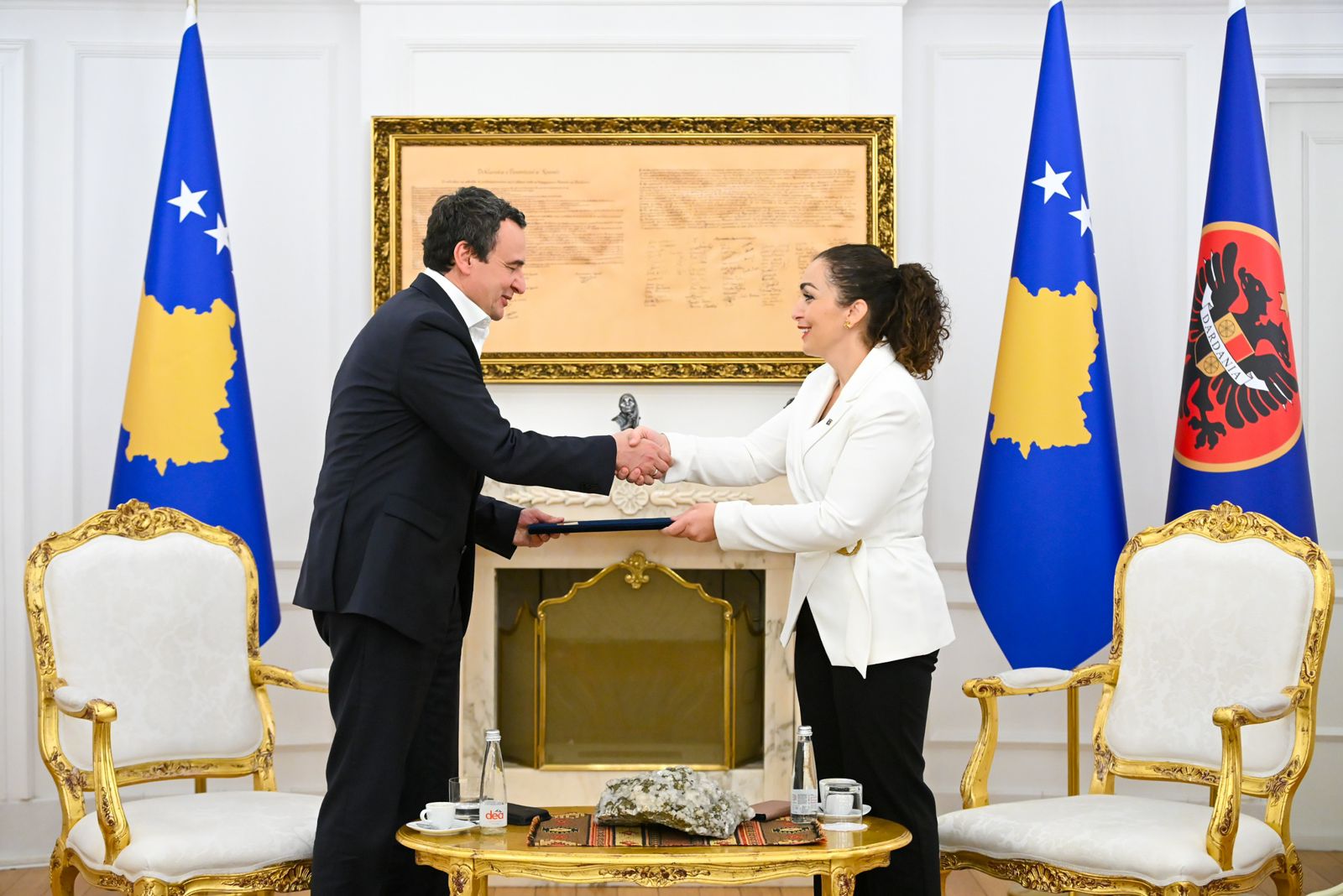
Speaking on Sunday evening, Kurti described the results of his party as “very good”.
“These results show that our movement has not only maintained its growth, but has grown as a major political force at the local level as well”, Kurti said, Gazeta Express reports.
Meanwhile, Lumir Abdixhiku, the leader of LDK, wrote on his Facebook account that the party has won “over 180 thousand votes for Municipal Assemblies, and without doubt, the first party in these local elections”.
Memli Krasniqi, president of PDK, also thanked the voters for their support of the “best model of local governance – that of the Democratic Party of Kosovo”.
The election day was peaceful, though observers noted various procedural irregularities. However, they did not call into question the results.
Belgrade-backed Serb List back in institutions
The elections were also marked by the victory of the Belgrade-backed Serb List (SL) in the Serb-majority municipalities. The party won nine out of ten mayorships outright.
In late 2022, Serb List mayors in the four northern municipalities resigned over the heated license plate dispute with the government in Pristina. This led to early elections in 2023, which SL boycotted, resulting in a turnout of less than 10%. Mayors from Albanian parties were elected and held the offices until this year despite the tensions their election has caused.
The Serb List used to completely dominate the Serb majority municipalities in the north, winning nearly 100% of the vote. It faced more competition this time, especially in Mitrovica, but it won in the first round nonetheless.
“Despite the fact that they wanted to abolish us, to ban us, they challenged us, called us traitors and thieves, the people recognised that we are patriots, that we are not traitors, that we love our people”, the president of the Serbian List, Zlatan Elek, said at the press conference on Sunday.
The list was congratulated by the President of Serbia, Aleksandar Vučić.
The article has been updated.