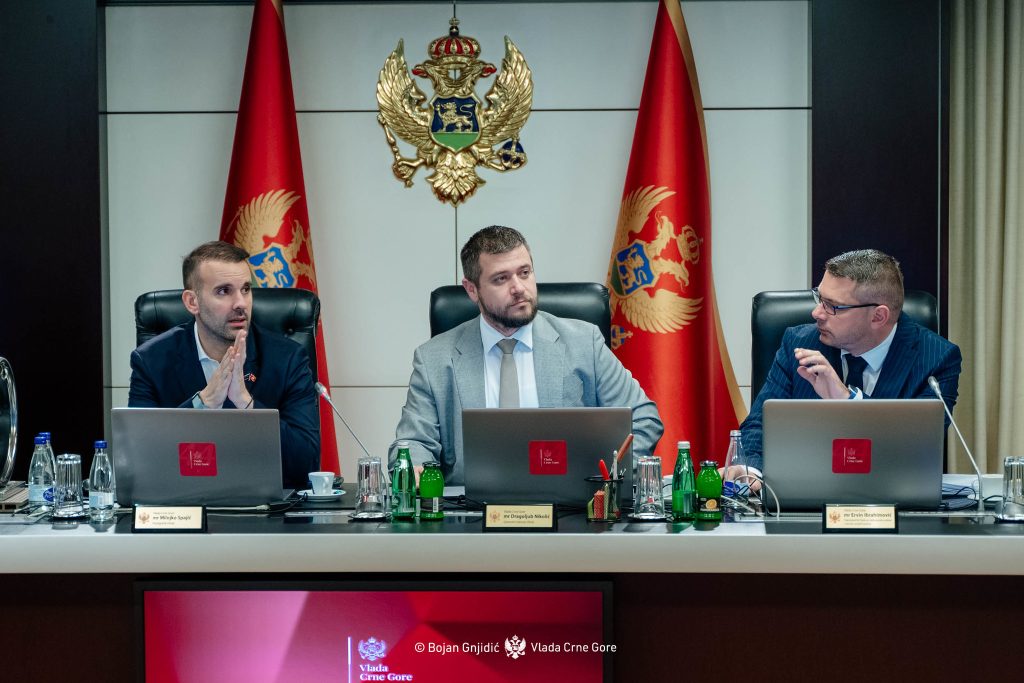
PODGORICA – In today’s remote session, the Government of Montenegro decided to temporarily suspend the visa-free regime for Turkish citizens. According to the official explanation, the measure is temporary and aims to review and strengthen mechanisms for monitoring the entry and stay of foreign nationals as quickly as possible.
Prime Minister Milojko Spajić had announced this decision on Sunday evening, writing on the platform X that it would be adopted through an urgent procedure. He added that in order to “preserve economic activity and maintain good bilateral relations,” the government would seek the best mutually beneficial solution in the coming period.
The decision follows police raids carried out last night, in which Turkish citizens were detained in connection with several incidents and acts of violence over the weekend.
On Saturday night, a Montenegrin citizen was assaulted and stabbed in the Podgorica neighbourhood of Zabjelo. Following an order from the Basic Public Prosecutor’s Office, the police arrested two individuals, citizens of Azerbaijan and Turkey. The neighbourhood remained on high alert throughout Sunday.
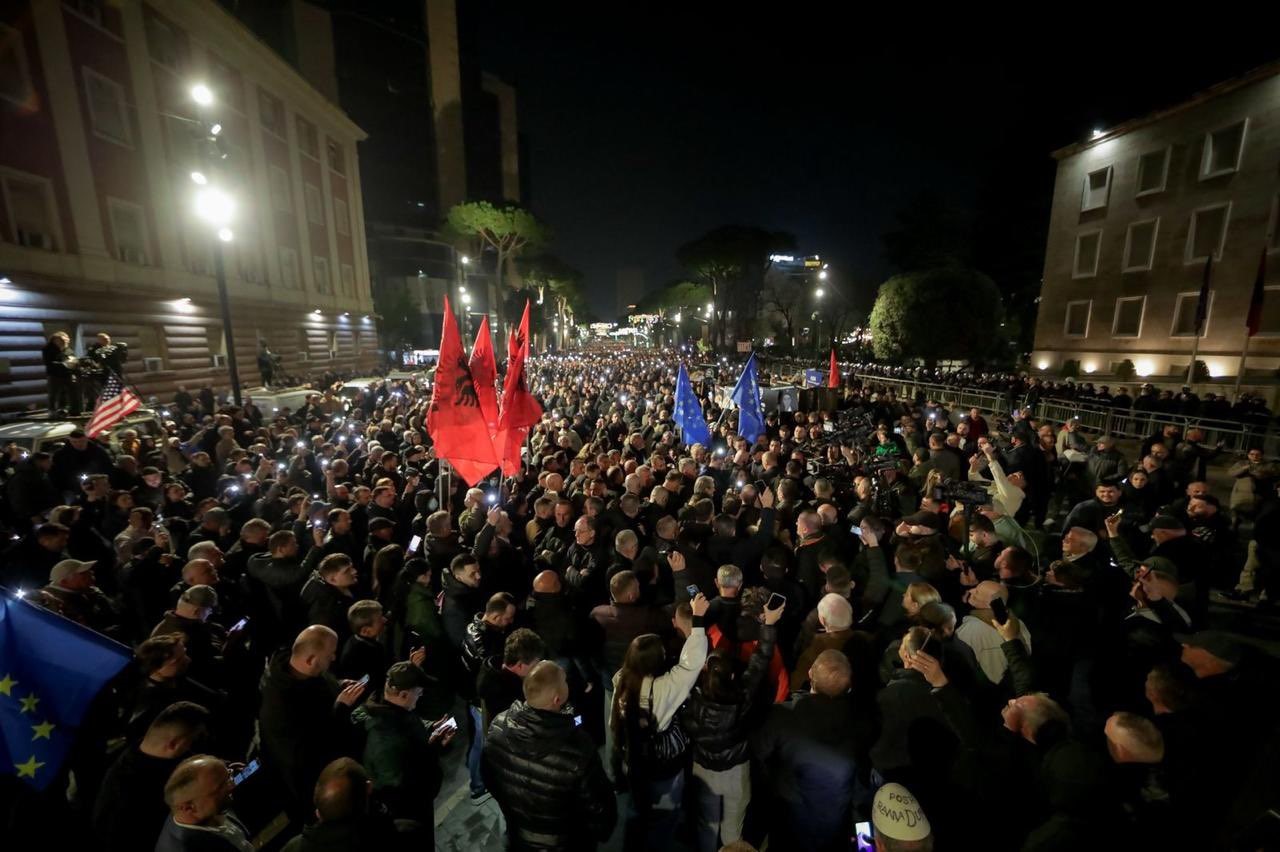
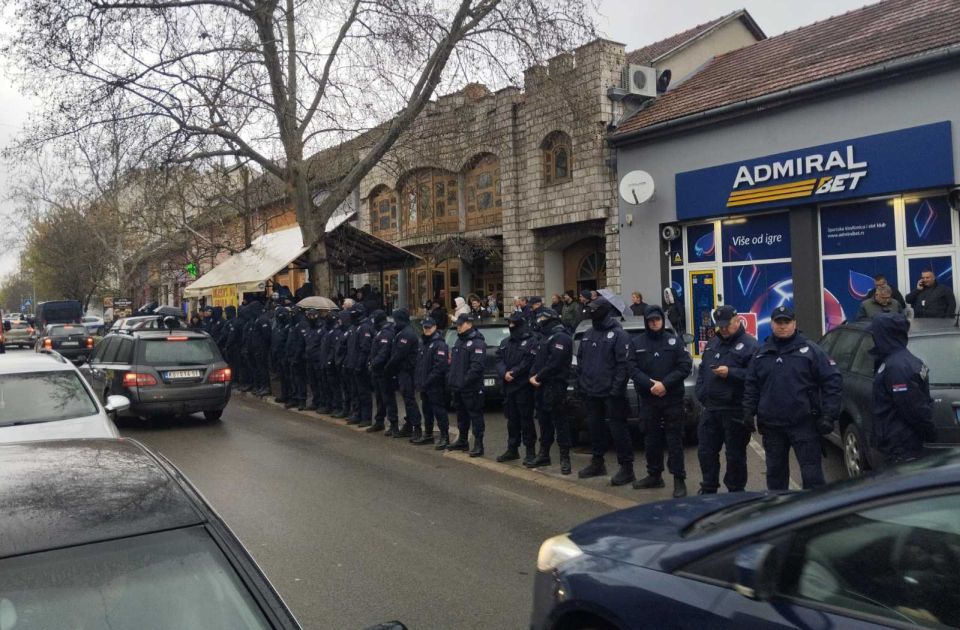
During the raids, the police detained an additional 45 Turkish citizens, while residents gathered in protest over the assault on the Montenegrin citizen.
During the gathering, demonstrators chanted offensive slogans targeting Turkish citizens. The Higher State Prosecutor’s Office in Podgorica opened a case ex officio regarding the chant “kill the Turk.”
Two vehicles and a property owned by Turkish nationals were damaged during the incident. The case was opened to assess whether any of the actions constituted the criminal offence of inciting national, racial, or religious hatred.
Commenting on the authorities’ response, Montenegrin journalist Srdan Kosović explains for European Western Balkans that the police intervention was partly effective, preventing the escalation of violence in Zabjelo, which could have occurred if a large group of people had attacked Turkish nationals.
Kosović notes that the public had very little information about the incident at the time, including whether it was connected to the initial stabbing.
“On the other hand, we now see official reports that a local business was vandalised and a car owned by Turkish citizens was set on fire, while social media shows footage of people being beaten and harassed, whose identities we cannot confirm but are believed also to be Turkish. If these cases are not clarified, the responsible parties are not sanctioned, and future violations are not prevented, then we must primarily discuss political responsibility,” Kosović said.
“A hasty move”
Kosović describes the announcement of the visa-free regime suspension as highly problematic, both in terms of timing and the government’s portrayal that the issue arose solely because of the visa-free regime and could be resolved simply by its suspension.
“The suspension of the visa-free regime is open to debate, but the way the decision was communicated to the public is extremely problematic. The timing is also concerning: at a moment of high tension, the government almost admits that the security problem arose because of the visa-free regime and implies it can be resolved the same way. I do not believe this reflects reality; it seems a hasty move masking a lack of immigration policy and effective action by the competent authorities,” Kosović says.
He adds that the Ministry of Internal Affairs and the National Security Agency are obliged to provide clear answers about the causes and consequences of the violence, whether it involved attacks or retaliatory actions.
Turkey is among the countries for which Montenegro has lifted visa requirements. The European Commission has since stated that Montenegro must reintroduce visas to align its policy with that of the European Union.
According to the government’s assessment of threats from serious and organised crime (SOCTA), foreign criminal groups, particularly Turkish, Georgian, and Russian, have become increasingly active in Montenegro in recent years.
A combination of a spontaneous and organised reaction?
When asked whether the actions against Turkish citizens were spontaneous reactions by outraged citizens or organised efforts, Kosović says that, based on current information, it is difficult to determine.
“At this point, it seems to me that it is a combination. There is a vacuum in the security environment that citizens felt compelled to fill, unfortunately, through illegal means, but there are also clear interests of political and para-political structures in destabilizing Montenegro. These interests range from small-scale xenophobic motives to well-planned actions aimed at broader goals, such as political destabilization,” Kosović explains.
President of Montenegro Jakov Milatović condemned the attack and called on all citizens to remain calm and restrained, emphasizing that collective guilt and stigmatization have no place.
“Police and prosecutors are obliged to decisively combat hate speech and all forms of threats. Montenegro needs a more responsible immigration policy: firm against abuse and crime, fair to all who respect our laws,” Milatović said.
Political parties, both in government and opposition, also condemned the attacks and incidents, calling on citizens to remain restrained.