The European Commission published its annual enlargement reports yesterday. We report the key findings of the Report on Kosovo in the area of democracy, rule of law and economic criteria:
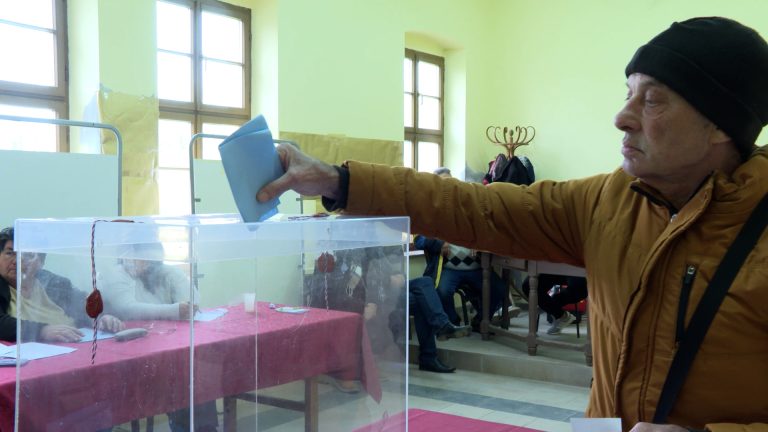
“The framework for elections is generally free and fair. On 9 February 2025, Kosovo held the first parliamentary elections under the newly revised framework, which had been aligned with the EU Election Observation Mission’s (EU EOM) recommendations in 2023. Although final voter turnout was moderate, at 46.6 per cent, the elections, observed by an EU EOM, were peaceful, competitive and inclusive. The EU EOM noted smooth conduct of the voting on the election day. There were attempts to politicise the work of the Central Election Commission (CEC), though the Elections Complaints and Appeals Panel (ECAP) effectively handled complaints. While the campaign period was competitive, there were instances of harsh rhetoric, misuse of public resources, and socio-political pressure in Kosovo Serb majority areas. The Independent Media Commission (IMC) struggled to enforce its regulatory oversight due to persisting governance issues. Another worrying issue was the inadequate response to electoral disinformation and foreign interference.
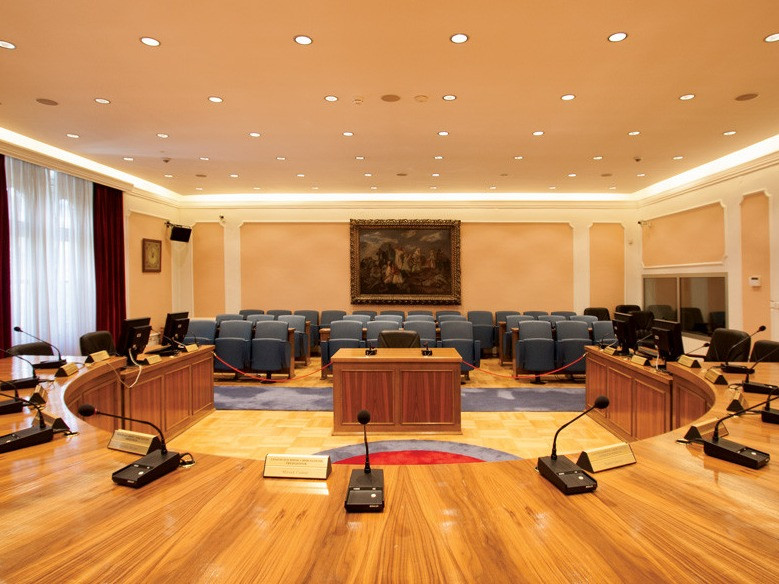
The Assembly can exercise its powers, including control of the executive and involvement in the legislative process, albeit with shortcomings. The previous legislature was marked by a lack of political consensus, procedural violations, boycotts, regular calls for extraordinary sessions and rushed legislative procedures. Despite isolated improvements, such as the introduction of electronic voting and publication of individual MPs’ votes, the overall parliamentary performance suffered. The Assembly still needs to improve its internal management system and adopt work plans. With the start of the election campaign in January 2025, the Assembly entered a period of inactivity. Following the parliamentary elections, the Assembly’s failure to constitute itself has been seriously undermining the functioning of key democratic institutions.
As regards governance, challenges in the relationship between municipalities and central institutions persist. On 5 December 2024, the government adopted a significant number of laws under expedited procedures, raising concerns over democratic principles. The opposition, critical of this practice, challenged a number of laws in the Constitutional Court. The institutions in charge of the EU integration process are mostly in place. While Kosovo publicly reaffirms its commitment to the EU agenda, divisive domestic politics and lack of prioritisation hampered its effective implementation.
Civil society organisations (CSO) operate in an overall enabling environment. They are active and diverse, participating in the design and monitoring of the EU-related reforms. However, they have trouble meaningfully contributing to the policymaking processes, as the consultation processes organised by the government are mostly a formal exercise. The new Strategy for cooperation with civil society should be approved. The phasing out of US development assistance laid bare the level of CSO’s dependency on international donors’ funding.
Kosovo has some level of preparation in public administration reform and made limited progress, adopting a new Programme for rationalising independent agencies in September 2024. While Kosovo advanced on administrative burden reduction, service delivery and digitalisation, there are considerable delays to implementing the legal framework. Kosovo should fully address the EU recommendations regarding the Law on public officials and the ruling by the Constitutional Court on the Law on salaries in the public sector.
Kosovo is between an early stage of preparation and having some level of preparation in the independence of the judiciary, and made limited progress on the functioning of the judiciary, including through reducing the backlog of cases and introducing several digitalisation measures. The government consulted the Venice Commission (VC) on the package of draft laws on the judiciary, taking steps towards aligning its legislation with European standards and VC recommendations. The Kosovo Judicial Council (KJC) and Kosovo Prosecutorial Council (KPC) continue to operate with incomplete membership. Due to the current political gridlock, the delays in designing the justice reforms have negatively affected the efforts to strengthen the mechanisms on accountability and efficiency within the judiciary and prosecution. Undue influence from internal and different external sources remains. The amendments to the Law on the KPC entered into force in June 2025, introducing some improvements, but the recommendations of the Venice Commission will need to be fully reflected in future amendments.
Kosovo is between an early stage of preparation and having some level of preparation in fighting corruption and made limited progress. Kosovo made further progress in adjudicating high-level corruption cases, which resulted in a higher number of final court decisions and convictions, while the overall number of investigations and final convictions in non-high-level corruption cases decreased. Kosovo still has no strategic framework in place in the area of fight against corruption. Despite the pronounced political commitment to enhance anti-corruption measures, there is no coherent approach to it. To effectively fight corruption at all levels, Kosovo needs to make better use of existing anti-corruption legislation, including the Law on extended powers of confiscation. Preventative tools such as asset declarations and public institutions’ integrity plans should be more effectively used to identify and pre-emptively fight corruption at its roots. Kosovo continued to undertake risk assessments in vulnerable sectors.
Overall, the legal and institutional framework for the promotion, protection and enforcement of human rights is in place, but implementation needs more effort. Kosovo appointed the head of the Agency for Gender Equality. There was further progress on the verification process of diplomas from the University in North Mitrovica, as the mandate of the Commission for the verification of diplomas was extended for another six months. Implementation of legislation safeguarding the rights of persons belonging to non-majority communities, including language rights, needs strengthening. Several new measures adopted by the government further undermined access to basic services for these communities. Adoption of the Civil Code and amendments to the Law on freedom of religion remain pending.
Kosovo has some level of preparation in freedom of expression and made no progress. The Constitutional Court annulled the Law on the Independent Media Commission (IMC), providing the authorities with clear guidance to ensure the prompt drafting of a new law. While the media landscape is pluralistic, it faces challenges related to transparency in media ownership and financial sustainability. The environment in northern Kosovo remains restrictive, fostering selfcensorship among the public, media and civil society.
Kosovo has some level of preparation in the field of justice, freedom and security and made limited progress, notably through adopting the new Serious and Organised Crime Assessment (SOCTA), the entry into force of the Regulation on establishment and functioning of the Joint Investigation Team and formally establishing the early warning system. The Law on anti-money laundering and combating the financing of terrorism, adopted by the Assembly, is under Constitutional Court’s review on procedural grounds. Efforts to recruit Kosovo Serb and other non-majority communities’ cadets to address the resignation gap in Mitrovica North Regional Police Directorate had tangible results. In the field of migration, the revised contingency plan to manage migration flows is pending government approval.
Kosovo is between an early stage of preparation and having some level of preparation in the fight against organised crime and made some progress in this area, notably by launching the Joint Money Laundering Intelligence Network Kosovo (JMLINK) and adopting a new Serious and Organised Crime Assessment (SOCTA). Information exchanged via the Secure Information Exchange Network Application (SIENA) increased significantly.
Kosovo has some level of preparation and made some progress in developing a functioning market economy. Economic growth picked up on the back of stronger private consumption and a surge in public investment. Despite a strong increase in public spending, the 2024 budget remained close to balance, due to robust revenue performance. Fiscal challenges persist given the narrow tax base, weaknesses in public investment management, insufficient targeting of social benefits and poor financial oversight of publicly-owned enterprises (POEs). Despite employment gains, the labour market continues to face challenges, such as low participation and high unemployment rates as well as a significant gender gap. The banking sector continues to be sound and resilient. Some progress was made in reducing the size of the informal sector and improving the business environment, notably through a speedier settlement of commercial disputes.
Kosovo is between an early stage and some level of preparation and made some progress in terms of its capacity to cope with competitive pressure and market forces in the EU. The education system does not adequately equip students with the skills demanded by the labour market. Limited progress was made in improving transport infrastructure while some progress was made in promoting renewable energy sources and digitalising the economy. The economy remains highly reliant on small and micro firms, which cannot compete internationally. Trade openness increased significantly compared with 2019.”