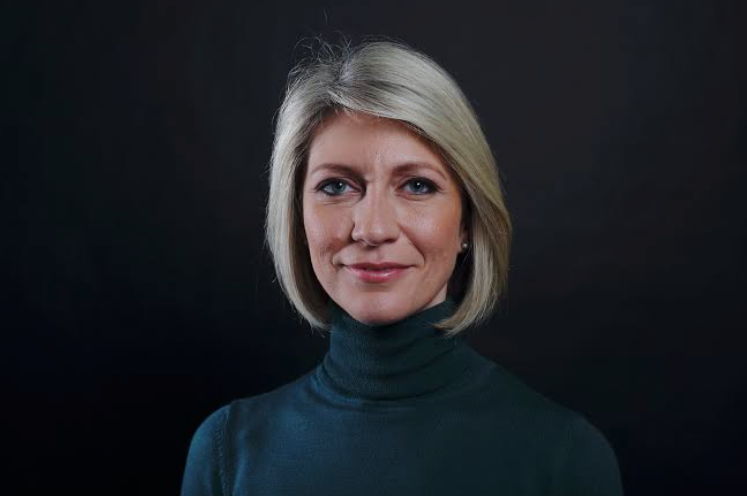
Serbian Security Intelligence Agency (BIA) reportedly placed Anna Oreg, a member of the National Assembly from Novi Sad and Vice-President of opposition Free Movement of Citizens (PSG), under surveillance. The measures included wiretapping of PSG offices in Novi Sad, which is how the March conversation of activists, now controversially charged with attempting to overthrow the constitutional order, was intercepted.
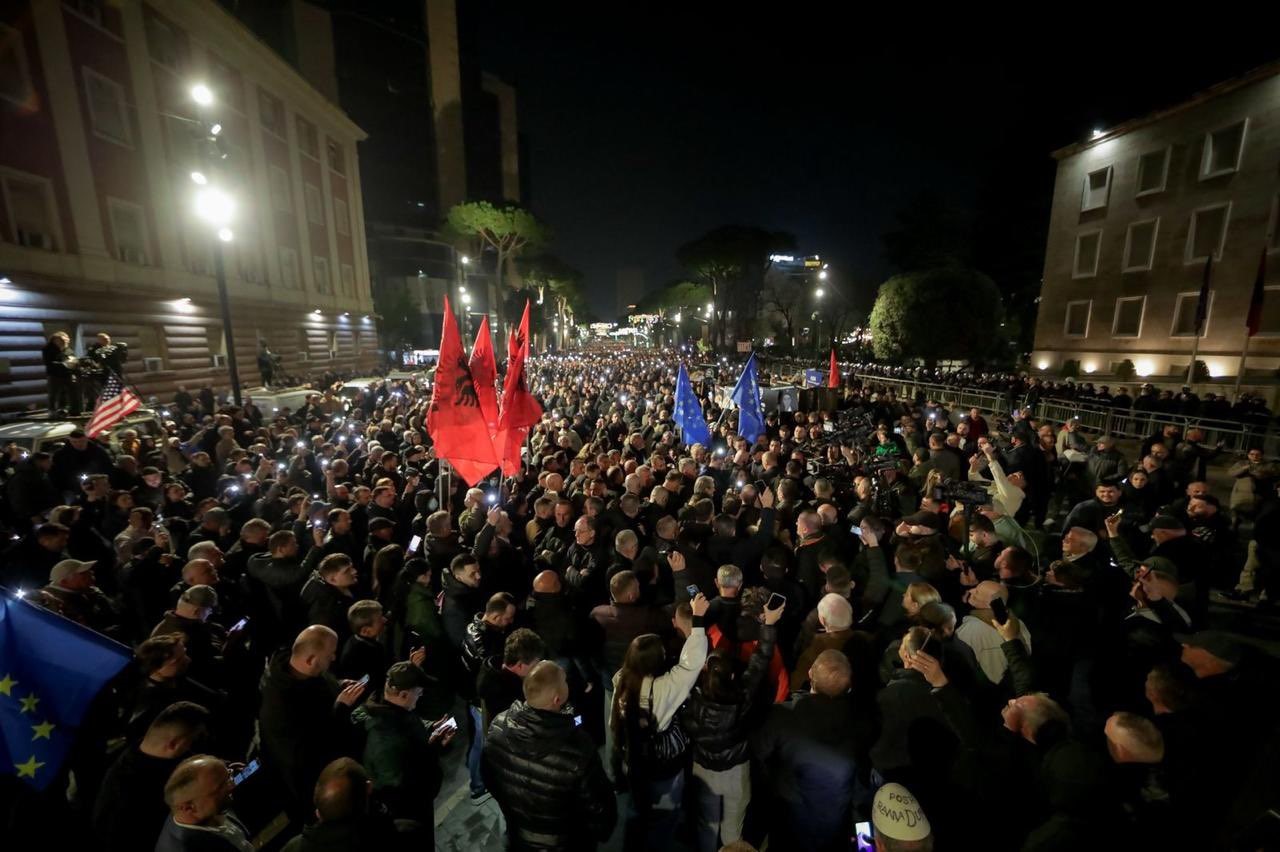
According to sources from the Higher Public Prosecutor’s Office in Novi Sad, BIA was keeping Oreg under special surveillance and wiretapping when a conversation between PSG members and STAV activists was intercepted ahead of the 15 March protest. The footage was widely circulated by the pro-government media as “proof” of a supposedly planned coup on that date.
Six activists who participated in the conversation spent months in prison, while another six are still out of the country. Oreg was not among them, as she was not present at the meeting.
Part of the indictment was obtained by the daily Danas, including the evidence and investigative actions taken against the suspects. It includes a BIA report on the results of a special measure that bypassed the inviolability of private correspondence and other forms of communication involving Anna Oreg.
Danas reports that the BIA requested approval from the Higher Court in Belgrade to place Oreg, a member of the Hungarian national minority, under special measures, citing her alleged contacts with certain Hungarian movements active in Hungary and the wider region as justification.
Anna Oreg said yesterday that BIA was abused for political purposes, adding that she was illegally monitored and wiretapped for over a year. She added that this was due to her raising concerns about questionable business ties between the Serbian Progressive Party, the Alliance of Vojvodina Hungarians party, and companies linked to the interests of Serbian and Hungarian officials.
Predrag Petrović, Research Director at the Belgrade Centre for Security Policy (BCSP), explains that the BIA must have a legal basis to place anyone under special measures, whether a parliamentarian or an ordinary citizen.
“Of course, when it concerns a member of parliament, the stakes are significantly higher,” Petrović notes.
Two laws regulate the application of such different surveillance measures. One is the Law on the Security Intelligence Agency, which allows measures to be applied to protect national security. This is considered preventive action, where the goal of special measures is not criminal prosecution but intelligence-gathering and monitoring trends.
BIA can also conduct wiretaps under the Criminal Procedure Code, in which case the BIA Law does not apply. This means that BIA acts like the police, applying special measures or investigative actions, to collect evidence for criminal prosecution.
Predrag Petrović explains the danger of BIA materials collected under the BIA Law being used as evidence and forming the core basis for an indictment.
“This is highly problematic, because anything the BIA gathers outside the Criminal Procedure Code can be used as court evidence, a practice that does not occur in democratic systems,” he says, adding that this resembles how security services operate in regimes such as Russia.
Petrović describes this case as yet another example of illegal actions by state security apparatuses and evidence that the BIA has been wiretapping political opponents for years.
“This is certainly further proof of what many of us have long suspected: that the BIA functions as a true secret political police, prioritising the protection of a specific regime rather than national security. In doing so, it applies unlawful measures,” he says.
He notes that a full range of special measures was applied in the case of the PSG parliamentarian, including digital surveillance tools that provide insight into her entire digital life.
“This is further evidence that the BIA has been operating this way for many years. What’s more, it does so unprofessionally, because a secret service should not allow its materials”, Petrović concludes.