SARAJEVO – The European Commission has set two conditions for Bosnia and Herzegovina to finally start EU accession negotiations – finalisation and adoption of the laws on judicial reform, in full compliance with European standards, and appointment of a Chief Negotiator. According to the Annual Report on BiH, “following recent institutional changes in the Republika Srpska entity, BiH has the opportunity to deliver on reforms on the EU path”.
During her recent visit to BiH, Kaja Kallas, the EU High Representative for Foreign Affairs and Security Policy, stated that the country’s authorities must decide who would take on that role, since the EU accession process required one person to coordinate all activities.
“This does not mean that only one person does all the work, but that there is clearly defined responsibility and communication between Bosnia and Herzegovina and the EU,” Kallas stressed.
In a similar vein, Luigi Soreca, Head of the EU Delegation to BiH, said that “there are some signs that in the coming period Bosnia and Herzegovina might be able to adopt the Law on High Judicial and Prosecutorial Council, and Law on Courts and appoint a Chief Negotiator and negotiating team, enabling the organisation of the first Intergovernmental Conference to launch the accession negotiations”.
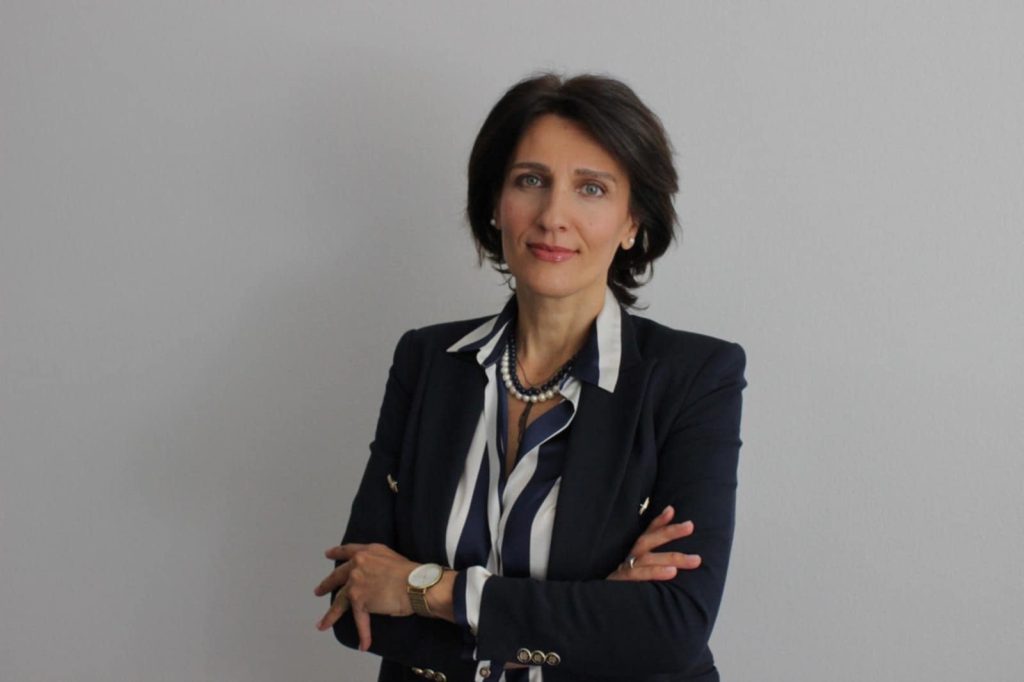
Commenting on the main obstacles towards the establishment of the office of the Chief Negotiator, Elvira Habota, Director of the Directorate for European Integration of BiH (DEI), states for European Western Balkans that on 30 October 2025, a decision on the Office of the Chief Negotiator was adopted in the House of Representatives of the Parliamentary Assembly of BiH.
“At its two sessions held at the end of October and the beginning of November, the Council of Ministers of BiH discussed a proposal for another decision on the same matter”, Habota says.
Two parallel processes of election of the Chief Negotiator, in which it is unclear who has the final word, have further complicated the situation. According to the media in BiH, political parties from two entities are unable to agree on how the Chief Negotiator should be appointed, thus resorting to different institutional paths.
“The Directorate is not authorised to interpret the current situation, but this indicates differing political views on the matter”, Habota underlines.
On 30 October, the House of Representatives of the Parliamentary Assembly of BiH adopted a decision according to which it would establish an office and appoint a Chief Negotiator of BiH. However, only a few hours earlier at the session of the Council of Ministers of BiH, the same issue had been discussed, but was ultimately withdrawn from the agenda.
On 4 November at the session of the Council of Ministers of BiH, although planned, there was no discussion on the establishment of an Office of the Chief Negotiator.
According to Elvira Habota, “the issue of appointing a chief negotiator is important; however, equally significant is the establishment of an operational negotiating structure”.
“This is essential because accession negotiations represent a complex and large-scale process that cannot be managed by a single individual and requires the active involvement of institutions and various segments of society. It is evident that in Bosnia and Herzegovina, as in all other countries, the appointment of the chief negotiator is a political matter, and the pace of this appointment will largely depend on political decisions”, Habota notes.
Speaking about the prospect of implementing the judicial reforms – adoption of the Law on the Courts and the Law on the High Judicial and Prosecutorial Council, by the end of 2025, Elvira Habota says that “these two laws are crucial for progress in implementing the eight steps outlined in the European Commission’s 2022 Recommendation, and therefore also for the European Commission’s proposal of the negotiating framework to the Council of the EU”.
“The significance of adopting these laws was also underscored in the new European Commission Report on BiH, published in November. The proposal for the Law on the HJPC was adopted by the Council of Ministers of BiH in March this year, but it did not receive the necessary support in the Parliamentary Assembly of BiH. The Law on Courts of Bosnia and Herzegovina has also been on the agenda of several sessions of the Council of Ministers of BiH, but likewise failed to obtain the required support for adoption”, she remarks.
Habota stresses that “the competent institutions continue to work on these matters, although it is difficult to say at this point when the laws will receive support in the Council of Ministers of BiH and the Parliamentary Assembly of BiH”.
Asked whether there is any chance that the first Intergovernmental conference BiH-EU will be organised in December, Elvira Habota reminds that among the key tasks for the adoption of the negotiating framework and holding the first intergovernmental conference are the adoption of the Law on Courts of BiH and the new Law on the HJPC.
“This was also emphasised in the European Commission Report published in November. The sooner these issues are resolved, along with the appointment of the Chief Negotiator and the establishment of the negotiating structure, the sooner we can expect the first intergovernmental conference to be convened”, she concludes.