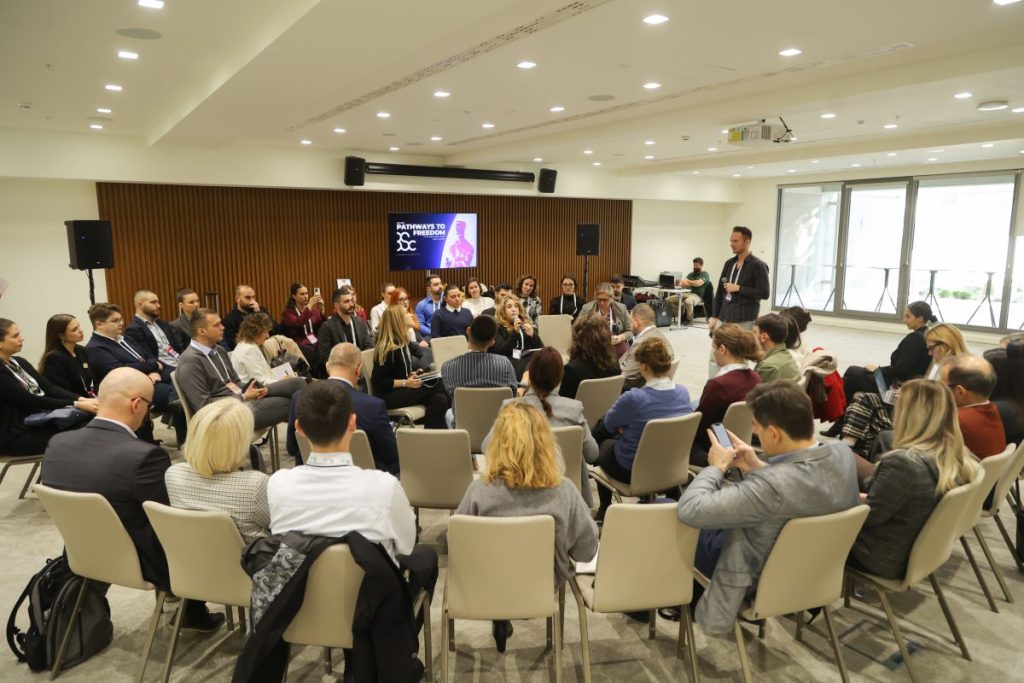
BELGRADE – Negative phenomena such as widespread nationalism, lack of mutual trust and the “bloom” of historical revisionism are the main obstacles to freedom and cooperation in the Western Balkans, stated the “BSC Young Leaders” at today’s panel entitled “On the Frontlines of Freedom: Youth Shaping the Western Balkans’ Future”, which was held during the fourth edition of the Belgrade Security Conference.
The members of the so-called “Generation Z” from the Western Balkans Six (Albania, BiH, Kosovo, Montenegro, North Macedonia and Serbia) took part in the discussion. According to them, a greater engagement of young people is necessary in order to change populist narratives in the fragile region.
Answering the question by the moderator Gjergj Loka (Albania), what freedom meant to them, the panellists noted that it was a “space” for genuine respect for human rights and for achieving social justice, which includes providing opportunities for all individuals to fulfil their capacities.
Kalina Dukovska (North Macedonia) defined freedom as “the collective capacity to fight or not fight for something”.
“No one is free until everyone is free”, Dukovska remarked.
According to Daniela Premuda (Bosnia and Herzegovina), “freedom is not merely the absence of war, but the constant struggle for equality of rights and opportunities”.
“Freedom means social justice and human rights, including giving voice to those who have not traditionally been heard,” Premuda said.
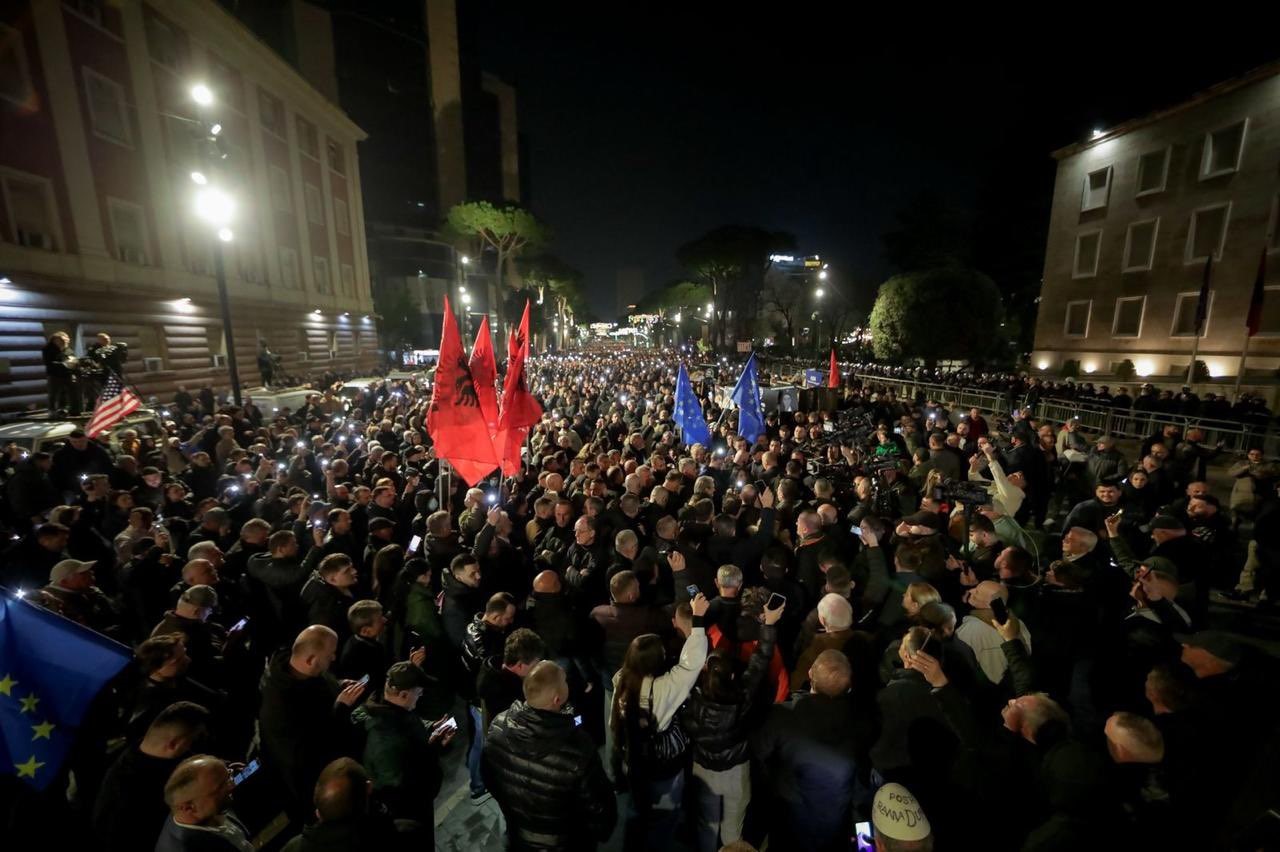
Elaborating on the major threats to real freedom in the Western Balkans, the panellists remarked that widespread corruption is one of the biggest problems, which was raised by young people in Serbia, who have been protesting for more than a year, following the tragedy in Novi Sad.
Sabina Sali (Serbia) stressed that “nationalism creates divisions in societies in the Western Balkans”, adding that “populists rule on these divisions”.
“We have not cleaned up the nationalism of the past; we have to deal with it. Our societies are not free. Another problem that harms freedom is corruption, and not only in financial terms. Our societies must cooperate to make this region functional”, Sali noted.
Arlind Hamza (Kosovo) said that “freedom is undermined by people’s deep distrust of politics, both at the national and regional levels”.
”We have not shown enough solidarity with young people who have been protesting in Serbia”, Hamza claimed.
Similarly, Nikola Mirković (Montenegro) remarked that the young people should fight against the growing historical revisionism, both at the national and regional levels, which implied tackling “blooming fascism”, not only in the Western Balkans, but also in Croatia, a member of the European Union.
“Parties that nurture such narratives are part of the government. The task of young people in the region is to fight for the change of these narratives”, Mirković assessed.