The snap parliamentary elections, scheduled for 28 December in Kosovo, may not be a way of the deep and long-lasting political crisis, analysts state for EWB. According to them, there is a risk of the so-called “Bulgarian scenario”, which would imply the frequent, repeated elections without a stable majority government being formed.
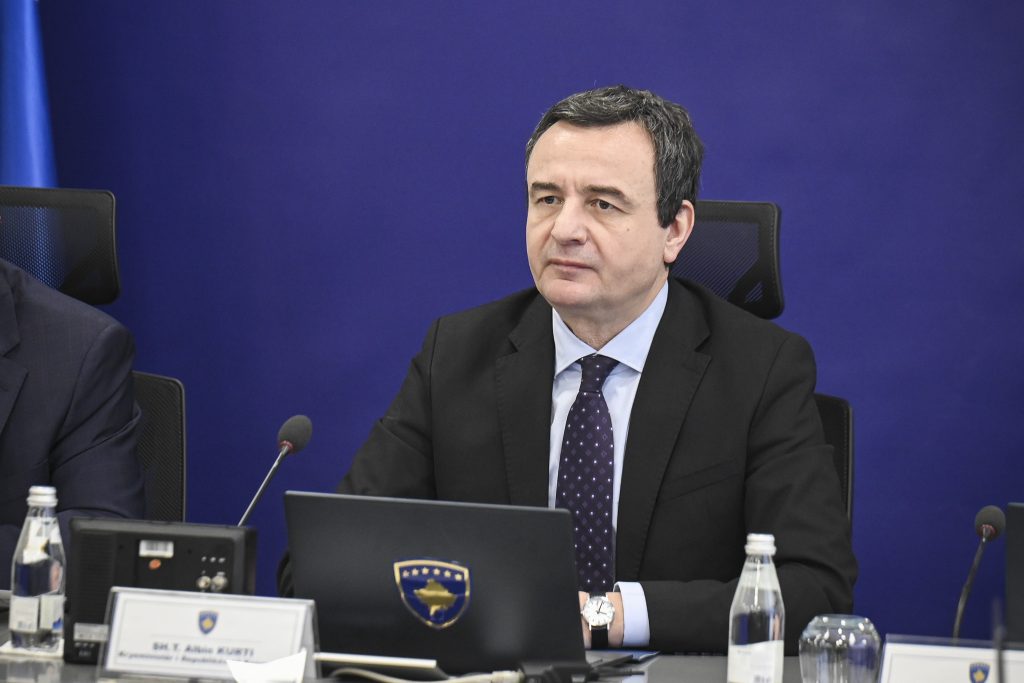
Kosovo President Vjosa Osmani decided to dissolve the parliament and call the elections after two failed attempts by the Vetëvendosje party (VV), led by Acting Prime Minister Albin Kurti, to secure enough parliamentary votes for their prime minister-designate candidates.
The political crisis began in April 2025, with a deadlock over the election of the Speaker of the Assembly, which lasted until 26 August, and was followed by another institutional crisis regarding the election of the Serbian Deputy Speaker until 10 October. The inability of the largest Kosovo Albanian political parties to reach a consensus on various issues contributed to the delays.