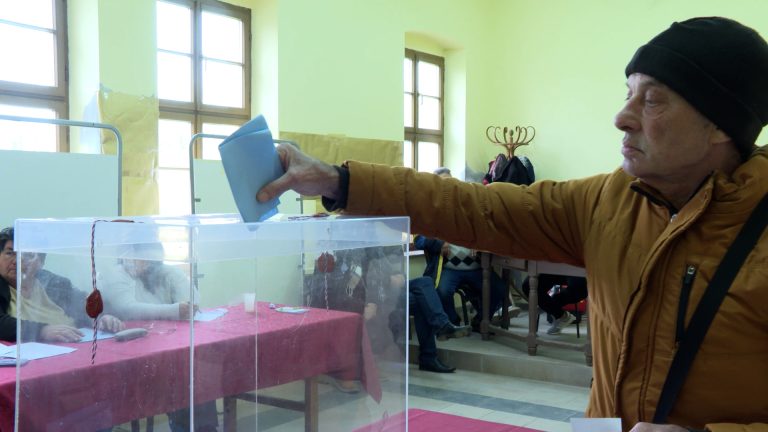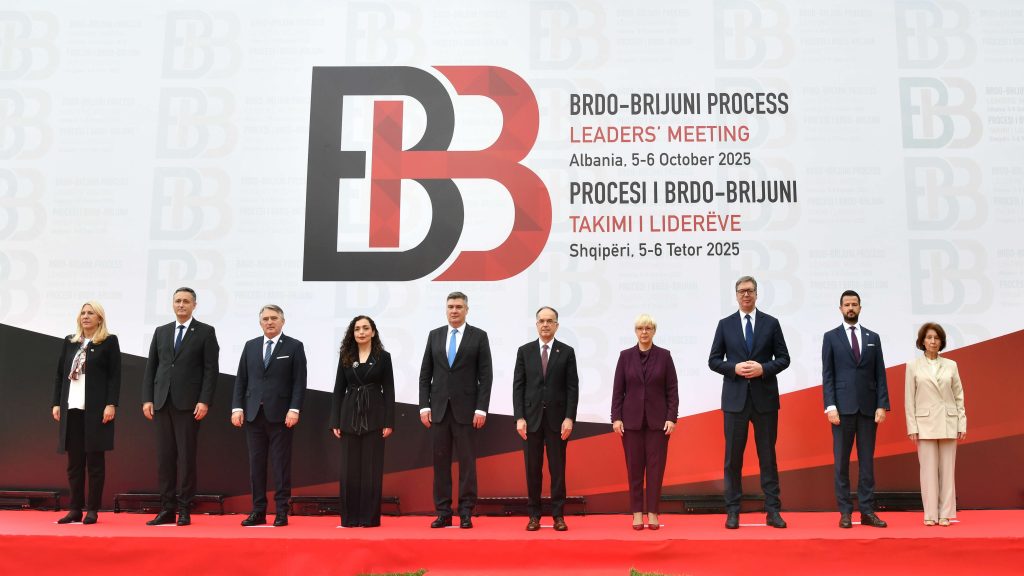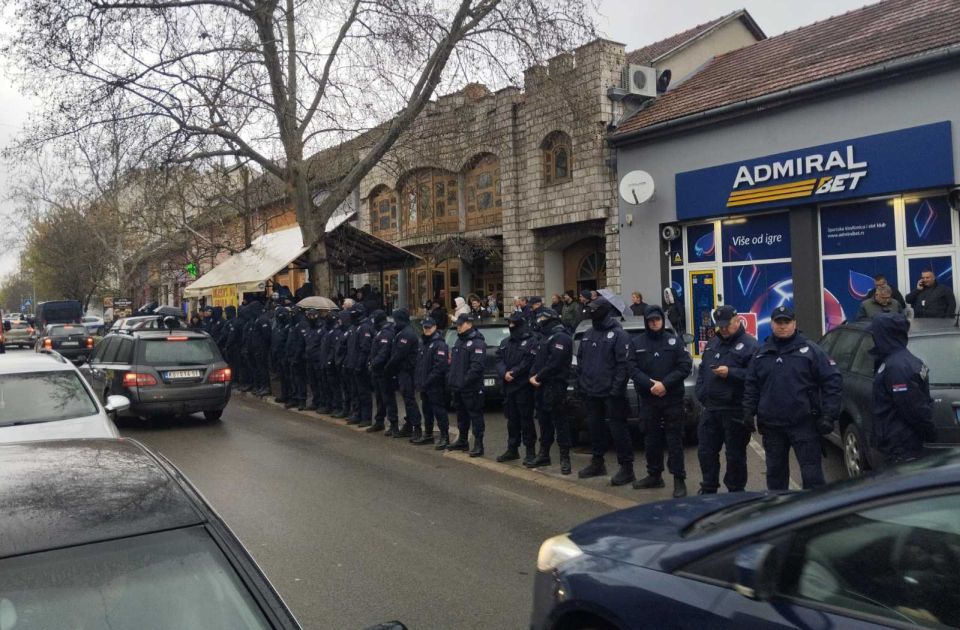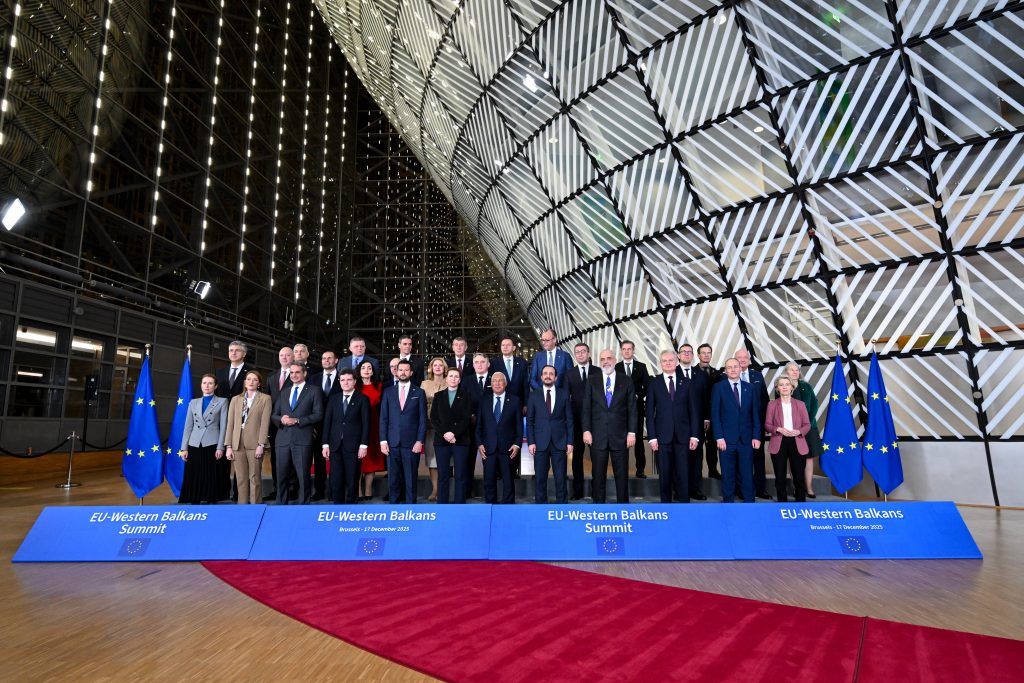
The year 2025 has been a very eventful year for the Western Balkans. While Montenegro and Albania made huge steps towards EU membership, enabling manifestation of EU’s political will to enlarge, the rest of the region failed to catch up and faced political turmoil. In Serbia in particular there was political instability and violence, as well as another blow to its government’s EU progress aspirations.
Next year it seems likely there will be similar developments. Montenegro and Albania are expected to march on, Serbia finds itself in yet more political turmoil as the government refuses to hold snap elections despite huge protests, while outlook on the EU progress of North Macedonia, Kosovo and Bosnia and Herzegovina is far from optimistic. These developments hint towards division of the region between EU hopefuls and left-behinds.
However, the continuation of these trends is far from certain and several developments in 2026 might lead to significant changes or even shocks. Serbia is in for a decisive year which could put the country on a democratic or fully authoritarian trajectory- both with region-wide reprecussions – while Montenegro and Albania’s progress in 2026 might be crucial for fullfilment of their EU ambitions.