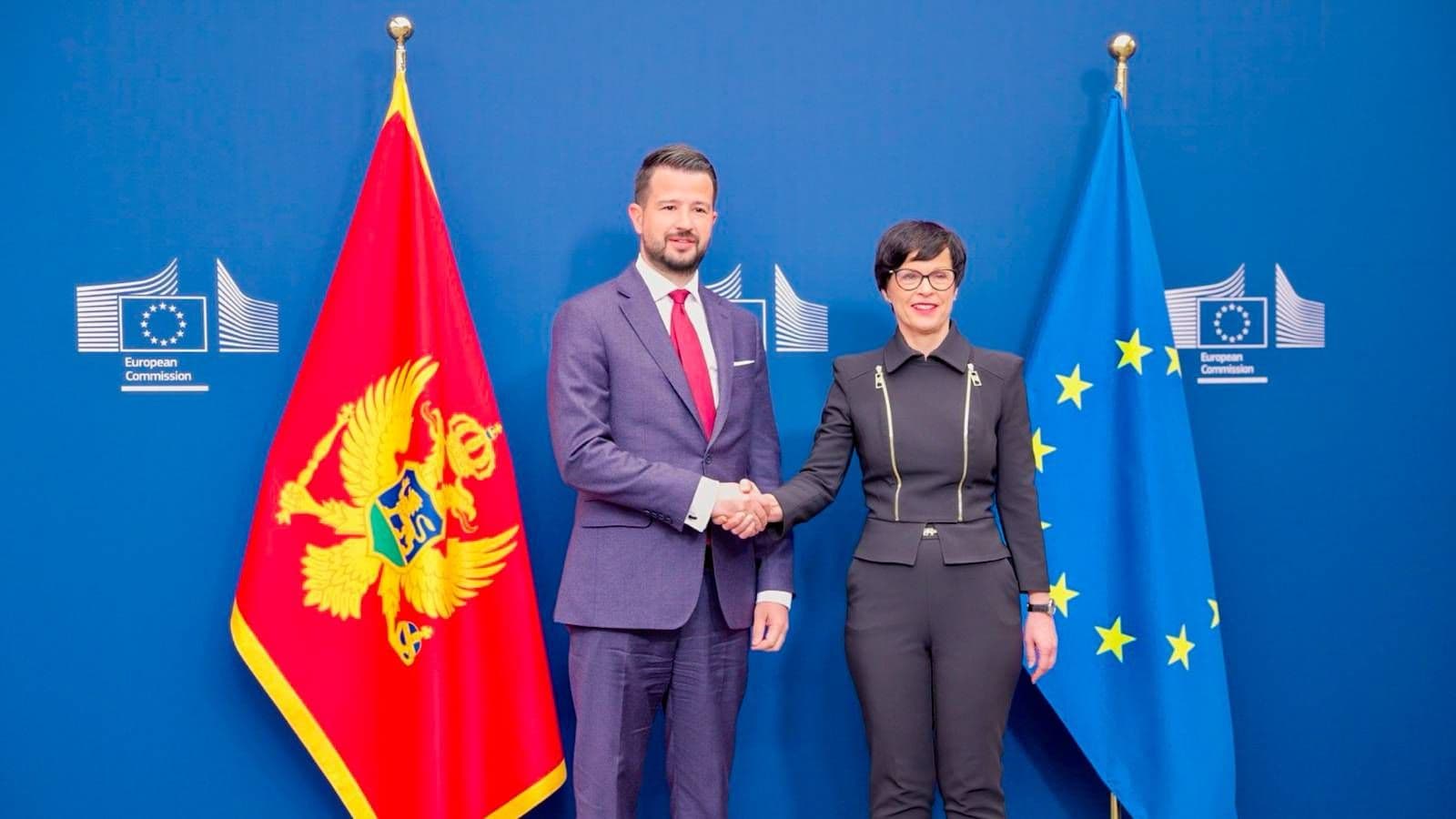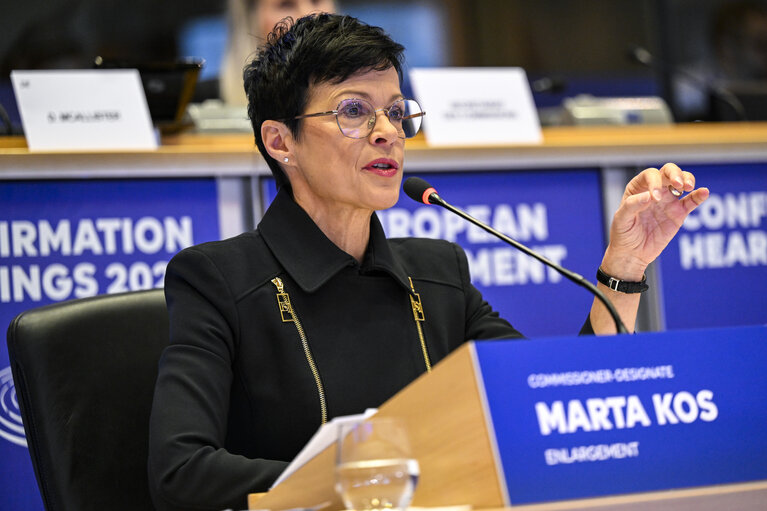
BRUSSELS – “The European Commission has already presented three options (for the enlargement policy) to the countries, and without the decisions of the member states, we cannot move on… The EU needs to change its rules to enable a new wave of countries to join”, said EU Commissioner for Enlargement Marta Kos in a yesterday’s onstage interview for Politico, which took place at the Competitive Europe Summit in Brussels.
Kos also urged the EU member states that do not support the Commission’s enlargement ideas to propose their own plans.
Euractiv has recently published, citing unofficial sources, that the EC is considering three main options for the future enlargement policy – the first of which would mean that the existing system is unchanged, the second so-called “gradual integration”, and the third “phased”, i.e. “reversible” integration. It clarifies that “gradual integration” would mean that candidate countries join a number of initiatives and programs of the EU, but do not receive formal membership, while “phased integration” would mean that states receive rapid, official membership and then continue to implement reforms.
“From the first exchange with the member states it’s clear the number three option is not okay … This would be a revolution… The number one option, the status quo, is also not an option”, Kos noted.
She stressed that “the redesign of the system is likely, and now we are debating into which direction, i.e. how we can make the process faster in the sense of enhanced gradual integration”.
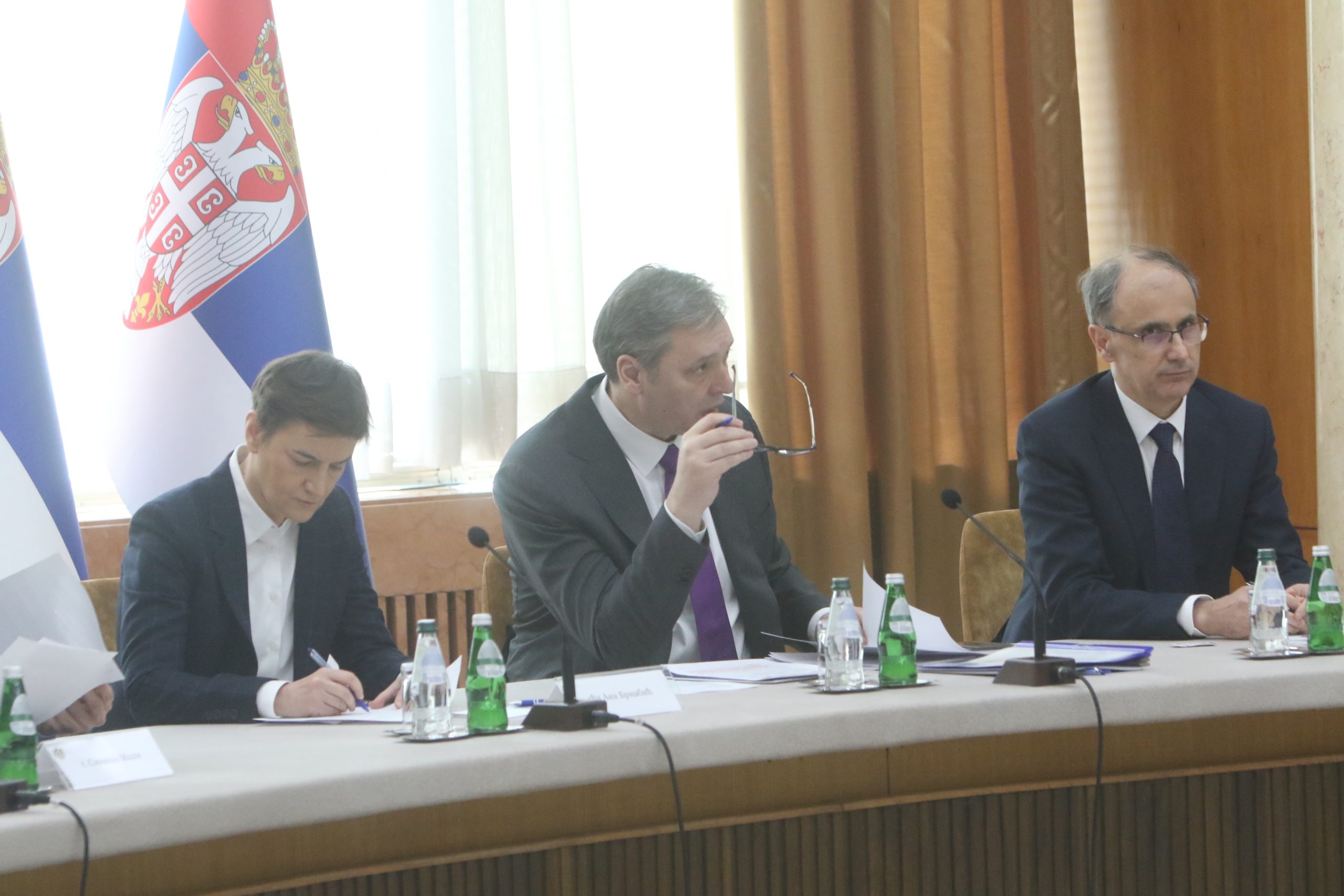
At the same time, Kos dismissed the proposal by Serbian President Aleksandar Vučić and Albanian Prime Minister Edi Rama, who, in a co-op-ed for the Frankfurter Allgemeine Zeitung, called for the accelerated integration of candidate countries into the EU Single Market and the Schengen area, without gaining veto power.
“I am unsure if the leaders (Vučić and Rama) know how much you have to deliver if you want to be a part of Schengen or common market, and that the process of reforms is arduous for economic integration as well as EU membership”, Kos underlined.
According to her, “Ukraine’s aspiration to join the bloc by 1 January 2027, would be impossible, Iceland, by contrast, could be a special case” and really go quick”.
“Iceland is so much integrated already through the EEA that the Common Market is there. Schengen is there… So, the most difficult topics, if I speak about the necessary reforms or, being integrated in the EU, they already are there. If we speak about the development of democracy, they are very high. European values, they are very high”, Kos remarked.