BELGRADE – Local elections were held yesterday in 10 municipalities and cities across Serbia. President Aleksandar Vučić announced last night that the ruling Serbian Progressive Party and its coalition partners had won in all ten, but the ruling coalition recorded a decline in eight of them compared to the previous elections.
Voting took place in Bor, Bajina Bašta, Kula, Majdanpek, Kladovo, Aranđelovac, Smederevska Palanka, Lučani, Knjaževac, and Sevojno.
Approximately 250,000 voters were eligible to vote in the local elections, while elections were marked by high turnout, which exceeded 50 percent in all ten cities and municipalities. In six municipalities, turnout was over 70 percent; in three, it exceeded 60 percent; and in one, it surpassed half of the registered voters.
In all of these municipalities, apart from the broad ruling coalition led by the SNS, student lists also participated, and in some municipalities, students ran jointly with opposition parties. In all of these municipalities, student and opposition lists came in second, after the SNS, and in some municipalities, the difference was just a few percentage.
The most significant drop was recorded in Knjaževac, where the SNS secured nearly 20 percent fewer votes than in the previous elections.
However, a comparative analysis of the first preliminary results indicates that the ruling SNS is emerging from this electoral process significantly weakened, despite what critics described as a powerful political machinery deployed against the will of voters.
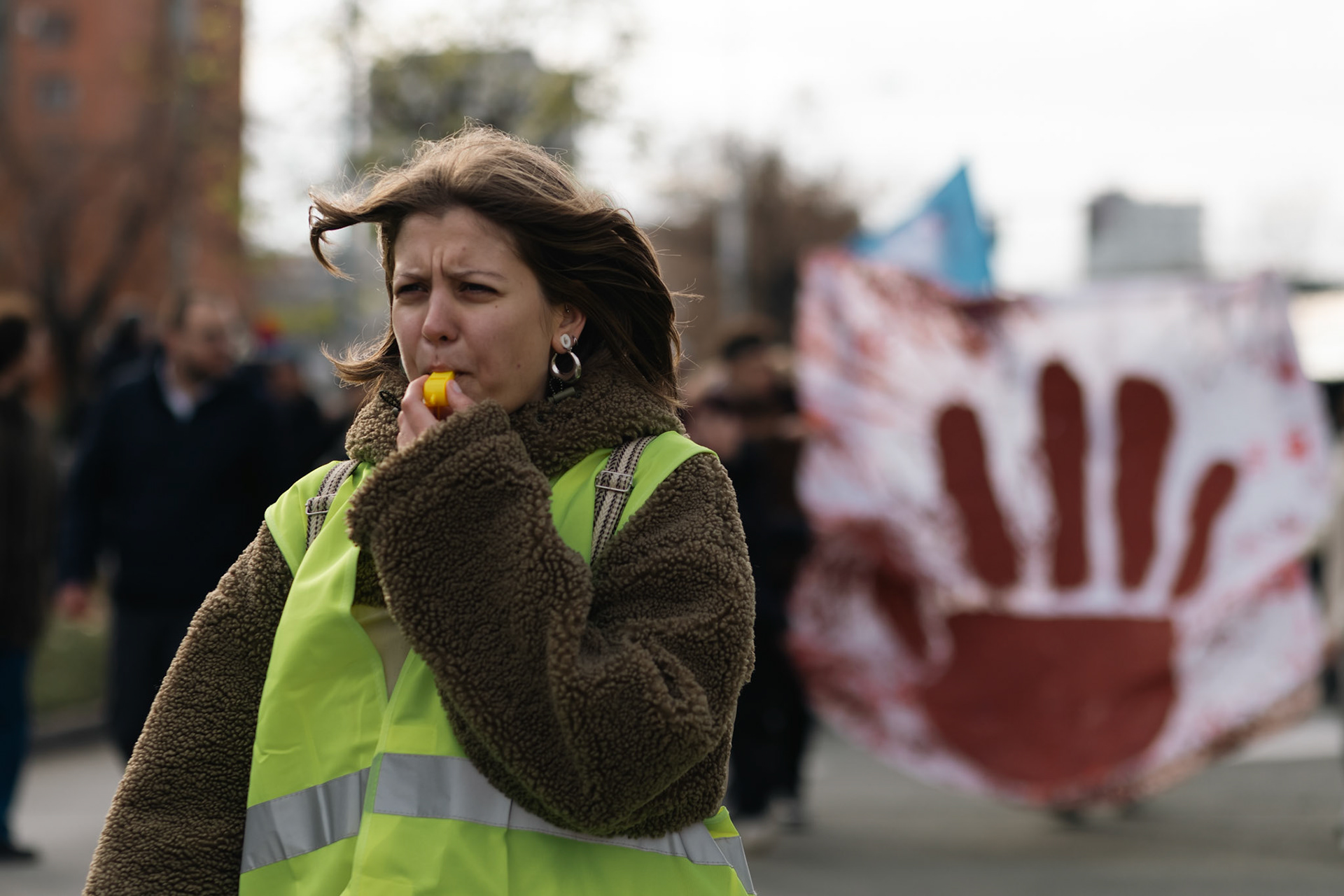
Students from higher education institutions currently under blockade said today they expect legal proceedings over electoral irregularities to be initiated as early as tomorrow, and called for accountability for all those who, they claim, participated in pressure and attacks against citizens.
“Despite strong pressure and coercion, it is clear that support for the authorities has dropped by more than 20 percent in nearly all municipalities,” the students said in a post on Instagram.
They assessed that the authorities had been “shaken” and that the results of the lists they supported indicate, as they claim, “a direction of struggle leading to change.”
“The local level is awakening and more and more people refuse to accept fear and injustice. Change has begun and can no longer be stopped. Serbia cannot be pacified. Until victory!” the students said.
Crta: Numerous incidents and irregularities
Local elections in Serbia, in which President Aleksandar Vučić declared victory for the SNS-led coalition in all ten municipalities and cities, were marked by numerous incidents, clashes and irregularities, according to opposition groups and the student movement, Croatian media reported on Monday.
Media outlets close to Vučić described throughout election day what they called “torture by the blockers,” referring to the student movement and opposition lists.
Observers accused the authorities of intimidating citizens in coordination with the police and creating irregular conditions for a normal electoral process.
According to reports by independent observers and opposition lists, election day was marked by physical confrontations and attacks on citizens, activists and journalists.
Incidents were recorded in Bor, Bajina Bašta and Kula, while numerous irregularities were reported, ranging from so-called “Bulgarian train” vote manipulation to photographing ballots and pressure on voters.
“In short, this can hardly be called elections,” said CRTA, whose observers closely monitored the vote in 10 municipalities and cities across Serbia. “We witnessed numerous irregularities and severe violence against citizens and journalists.”
CRTA, which deployed observers in all ten local governments, said last night that the election day deserved ratings ranging “from very poor to poor.” Due to the intensity of violence in Bor, Kula and Bajina Bašta, major problems recorded in municipalities where the situation was relatively calmer remained overshadowed.
Observers reported widespread parallel voter records, cases of compromised ballot secrecy and organized transportation of voters, indicating possible voting under pressure. However, in light of beatings, the drawing of weapons and the spread of fear, these irregularities appeared “less” serious, CRTA said in a statement.
Particularly concerning, CRTA warned, was the fact that police were largely unprepared to protect citizens exposed to violence or to detain perpetrators.
The organization also expressed concern that observers and citizens identified employees of public institutions and companies from various Serbian cities among those involved in intimidation and other “dirty work” on the ground.
“In a broader picture, we witnessed how the system is being used against voters’ rights, as well as against the basic safety of its own citizens,” CRTA concluded.
Police raid the offices of the People’s Movement of Serbia (NPS) in Belgrade
Officers of the Criminal Police Directorate raided the headquarters of the People’s Movement of Serbia (NPS) last night after polling stations closed in local elections held in 10 municipalities in central Serbia.
According to party leader Miroslav Aleksić, police seized several party phones and laptops, searched all offices and personal belongings, and he described the move as a continuation of repression.
Aleksić said party members were waiting for election results at the headquarters when around ten officers from the Criminal Police Directorate arrived with a search warrant for the premises and an order to seize phones and laptops.
“We refused to hand over the phones. They then called for reinforcements from the intervention police unit, four or five intervention police vehicles arrived. We did not hand over the phones; they are still here, standing in front of me. They placed us in one room, and we can only move or leave with police escort,” he said.
The warrant stated that they were suspected of committing the criminal offense of “violation of voting rights.”