
President Vučić has recently assured international audiences that his government is committed to dialogue, transparency, and restraint. His campaign of letters to the world’s leading newspapers followed a series of critical reports and editorials in major international outlets, a reminder that this sudden urge for “dialogue” began only once global scrutiny intensified.
The reality on the ground tells a very different story.
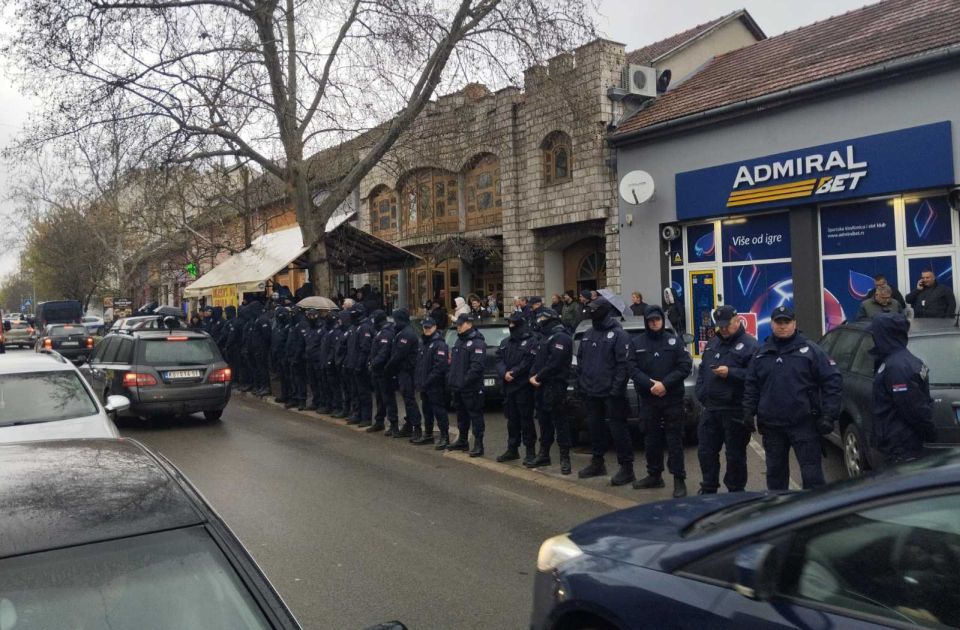
Dialogue has been consistently replaced by batons, tear gas, arbitrary arrests and the dismantling of independent institutions. The authorities speak of “restraint”, yet more than a hundred citizens, including students, have been beaten, some gravely injured, for exercising their right to protest. They speak of “transparency”, yet media pluralism has been strangled, independent regulators captured, and corruption probes derailed. They speak of “compromise”, yet every concession has been cosmetic and carefully staged for international consumption.
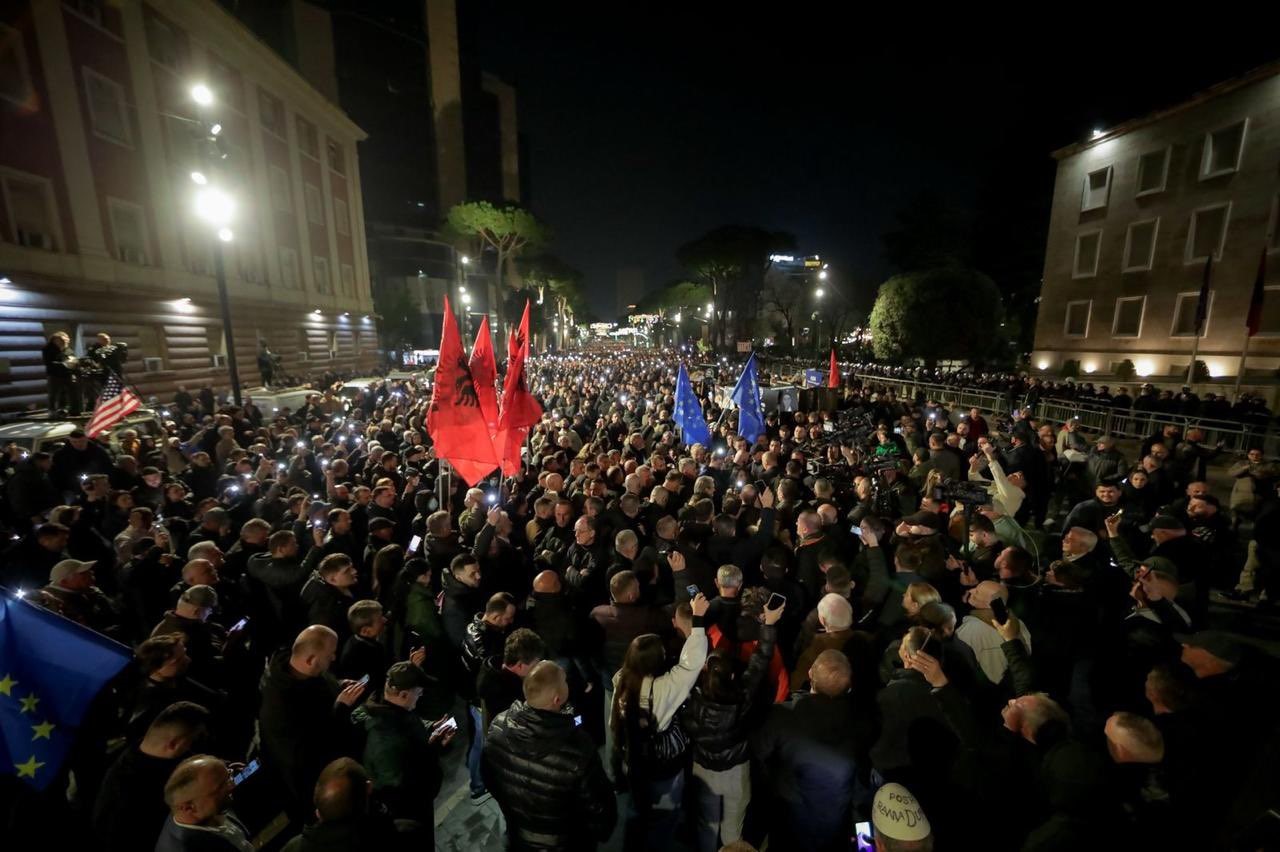
It is telling that Mr Vučić frames the protests as the work of extremists and vandals, terms he and his loyal media more bluntly translate as “blockaders” and even “terrorists”. In fact, the protests began after the Novi Sad tragedy, with students and young people demanding nothing more radical than accountability, transparency, democracy, and a government that treats them as citizens, not subjects. To brand them as violent agitators is not only a smear, it is an insult to every person who stood, at least 16 minutes for 16 victims, peacefully in the streets.
Repression, however, is not only visible. It is also silent. University professors and teachers, and others employed in the public sector, who support their students face disciplinary action, loss of contracts, or dismissal. Parapolice units, other unitits with no legal mandate, party-organised thugs, some of them even previously convicted to years in prison for violent crimes, now appear on the streets, spreading fear and eroding the rule of law. Meanwhile, the process of media capture continues apace, as witnessed again in the past week, further narrowing the already suffocated space for public debate. And instead of meeting the protesters’ demands, the government has staged counter-rallies, organised and financed through party machinery, as a substitute for genuine dialogue.
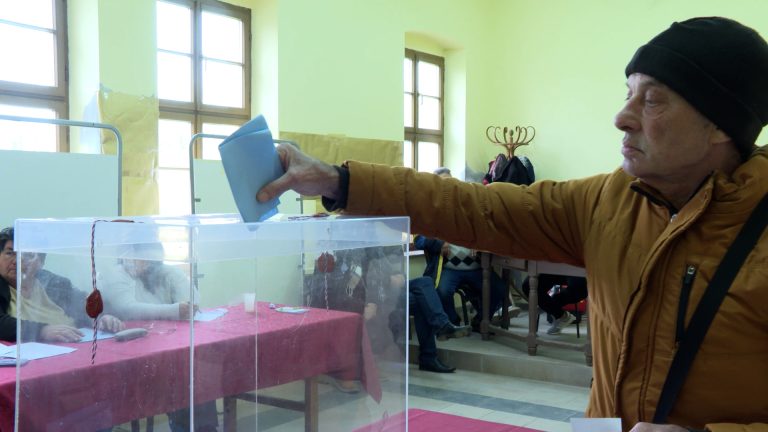
To argue that snap elections would destabilise democracy is unconvincing when the last elections were already marred by irregularities, media control, and abuse of state resources. It is also striking that this argument comes from a leader who has called elections whenever it suited his political needs: four out of five elections under Mr Vučić’s rule have been early ones. To insist on rigid timetables now, while hollowing out the very conditions for free and fair competition, is to reduce democracy to procedure without content.
European leaders have been warned that Serbia’s protests are “a battle for democracy that the EU must not ignore”. Yet hesitation persists, and silence risks being read as complicity. Stability without rights is not stability, it is authoritarianism dressed in softer language.
The Serbian government may indeed be committed, but not to democracy. It is committed to its own survival, and not indefinitely, but precisely until the last lucrative contract has been signed. In that sense, it is not merely authoritarian, but klepto-authoritarian. The question is whether Europe is prepared to be equally committed to the values it proclaims.