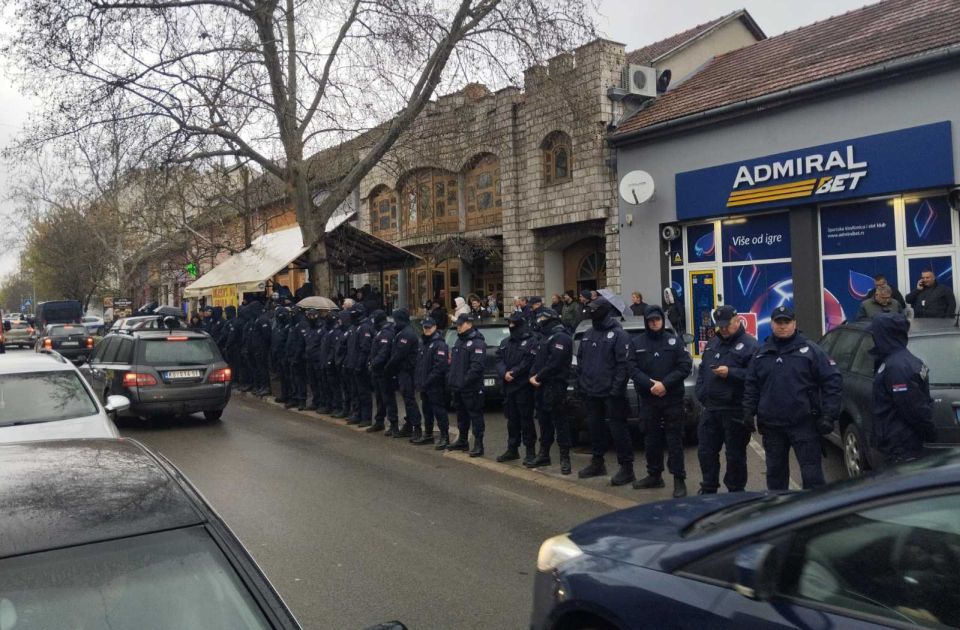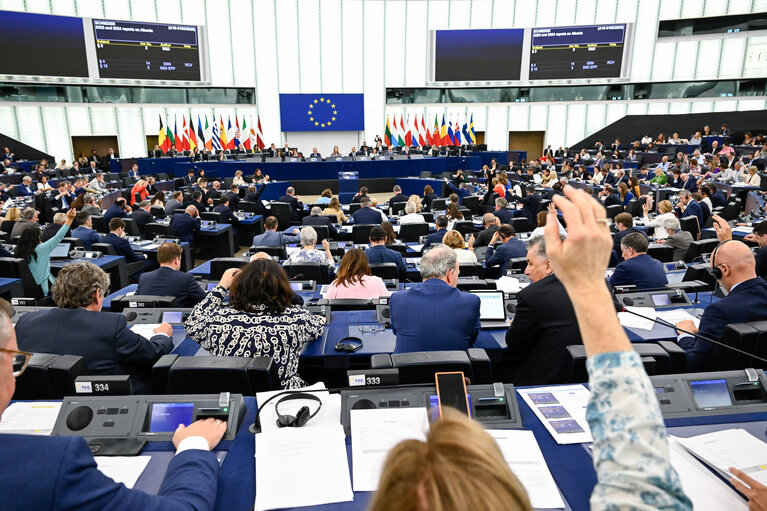
STRASBOURG – The European Parliament will once again debate the political crisis in Serbia during a plenary session in Strasbourg, scheduled for 20-23 October. At the end of the debate, Members of the European Parliament are expected to adopt a new resolution on the situation in the country, which, according to announcements, will address the deepening polarization and growing repression in Serbia, one year after the tragedy in Novi Sad.
The debate and the new resolution were added to the agenda at the initiative of the political groups of the Socialists and Democrats (S&D), Renew Europe and the Greens (Greens/EFA), with the support of the European People’s Party (EPP).
However, as Savremena Politika has learned from sources in the European Parliament, the European People’s Party initially had certain reservations regarding the adoption of a separate resolution. The EPP insisted that the term “polarization” be included in the resolution’s title, which ultimately led to a compromise among the political groups allowing the resolution to move forward.
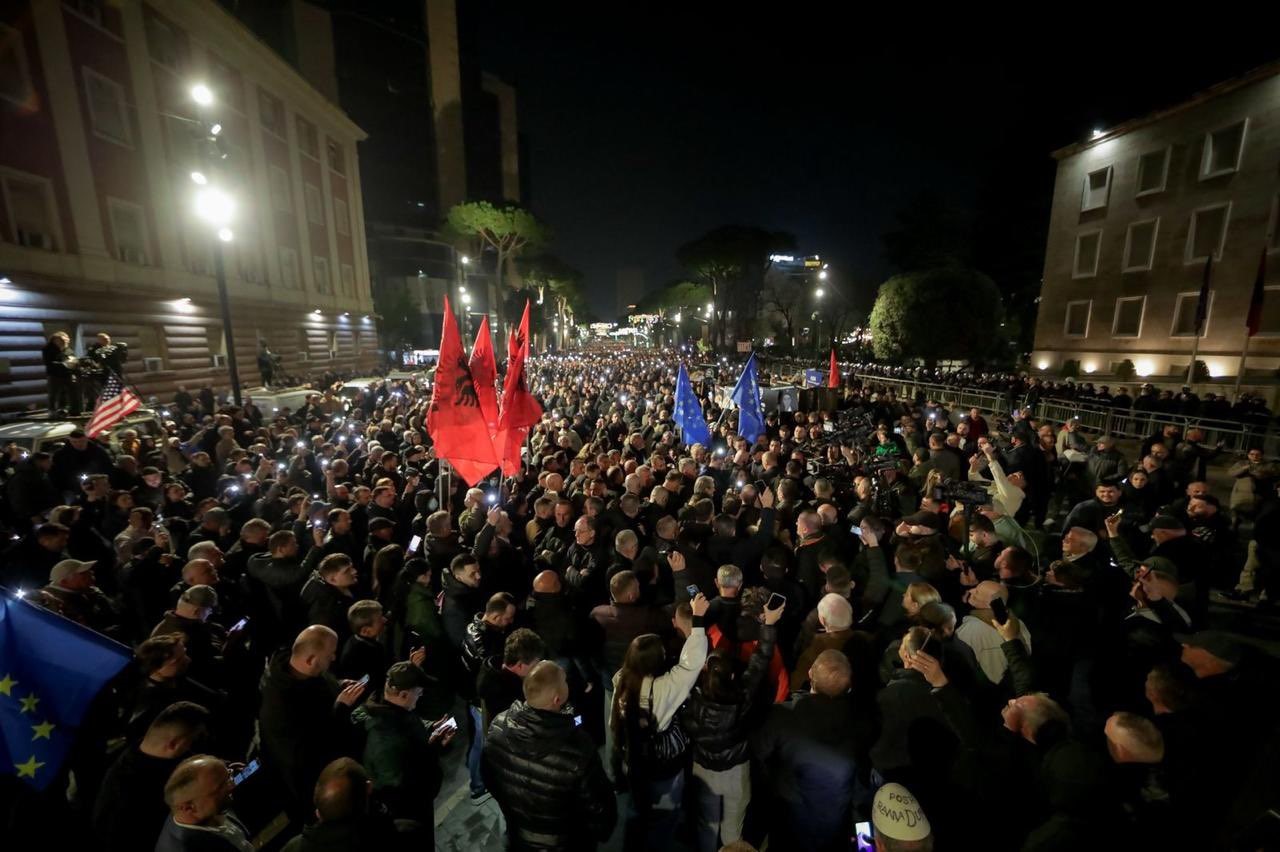
This will be the third debate on Serbia in the European Parliament since the beginning of the year. In early September, MEPs discussed the wave of repression against protesters, civil society, and the media, while in February the focus was on the ongoing political crisis. Both of those debates concluded without the adoption of a resolution.
From the beginning of this year, political groups have twice attempted to include the issue of Serbia on the Parliament’s agenda. In March, the European People’s Party blocked a proposal to hold a debate on the situation in Serbia, shortly after a large student protest took place in Belgrade on March 15.
The last resolution, prepared by EP rapporteur for Serbia Tonino Picula, was adopted in May, when MEPs expressed serious concern over the deterioration of democratic standards, the lack of progress in EU integration, and the state of media freedom. The resolution emphasized the need for the Serbian authorities to implement the OSCE’s recommendations, ensure free and fair elections, and strengthen institutional accountability.
Since the onset of the political crisis in Serbia, which escalated following the collapse of a canopy structure in Belgrade and subsequent mass civic protests, the European Parliament has emerged as the EU institution most actively responding to developments in the country. Through its debates, resolutions, and initiatives, MEPs have repeatedly called on the European Commission and the Council of the EU to reassess their approach towards Serbia.
The upcoming debate in Strasbourg will take place only a few weeks before the publication of the European Commission’s annual report on Serbia’s progress, giving it additional political weight and signaling that European institutions will continue to closely monitor the situation in the country.