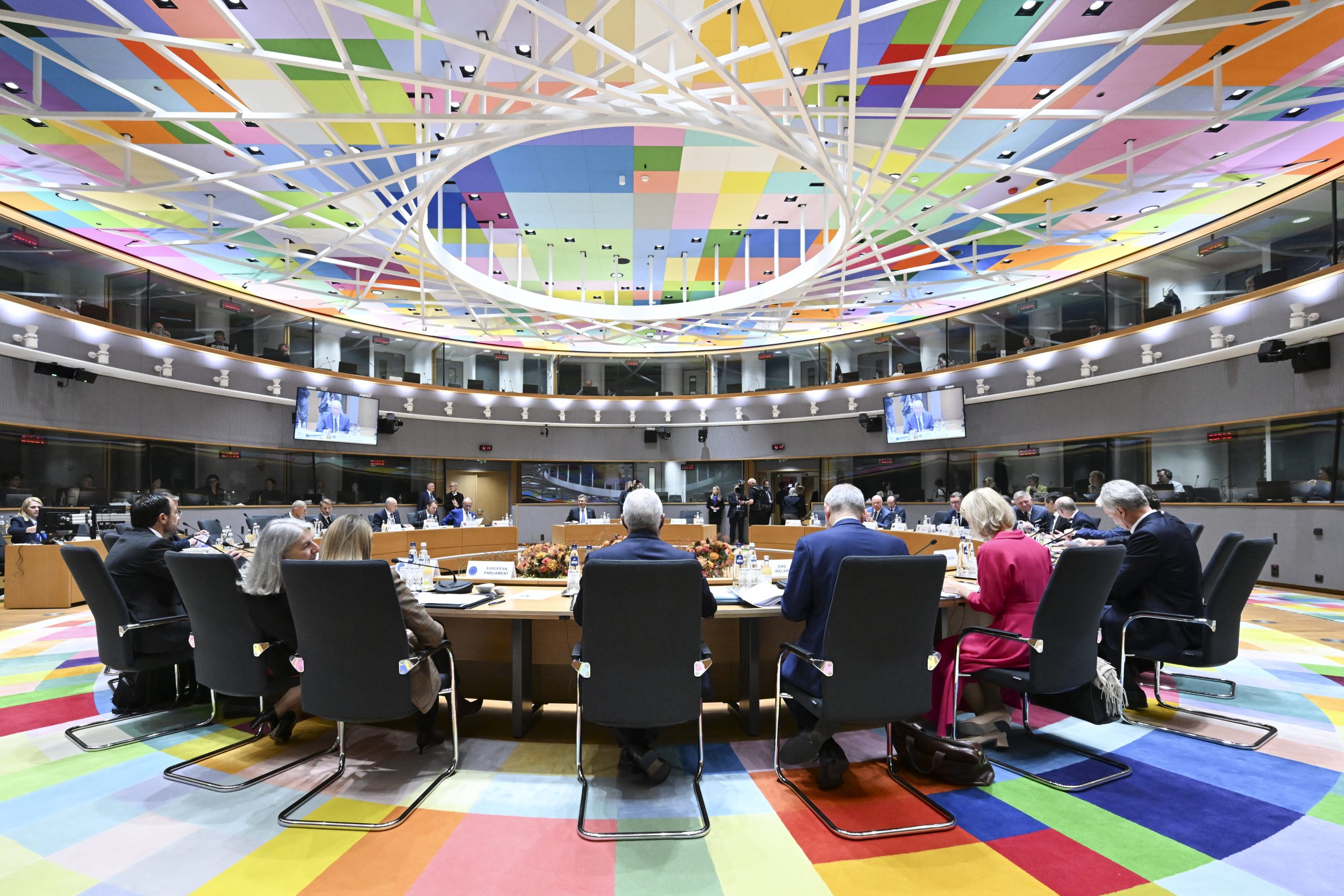
STRASBOURG – Members of the European Parliament noted in a debate on Serbia last night, on the occasion of the upcoming first anniversary of the fall of the canopy at the railway station in Novi Sad, that there is only a place in the European Union for a democratic Serbia that respects the values of the rule of law. There were also voices claiming that the EU is trying to make Serbia a “new Ukraine”.
The debate was held on the eve of today’s vote for the European Parliament Resolution “on polarisation and increased repression in Serbia, one year after the Novi Sad tragedy”, the joint proposal of which was submitted on Monday.
At the beginning of the debate, European Commissioner for Enlargement Marta Kos paid tribute to the victims of the fall of the canopy in Novi Sad on 1 November last year.
She pointed out that the EU is closely monitoring the situation in Serbia and reminded that the Parliament had discussed Serbia two months ago.
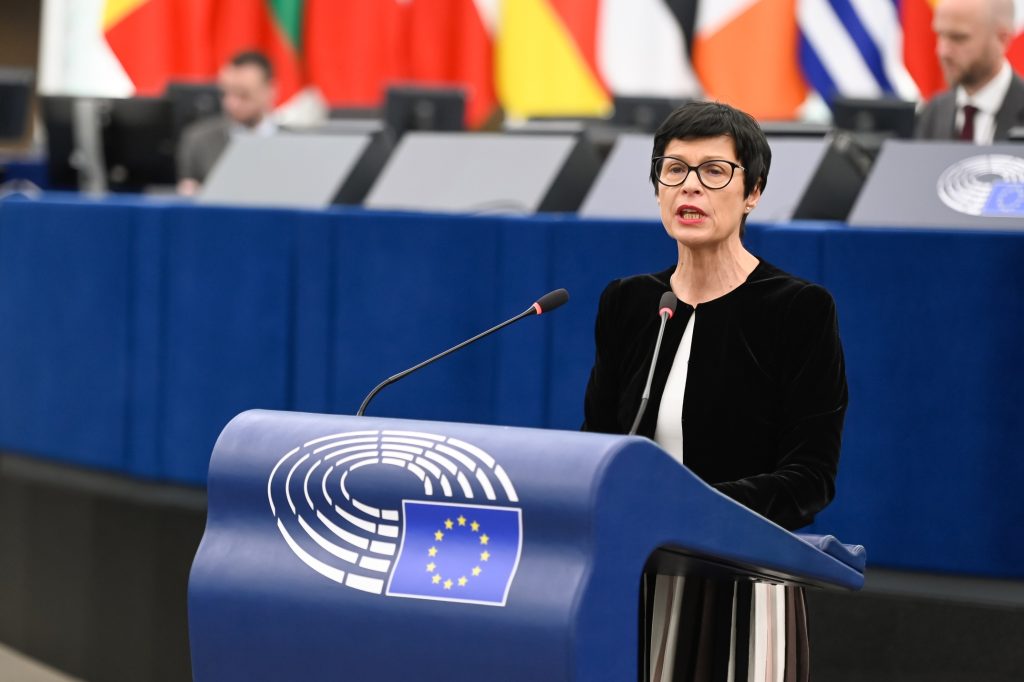
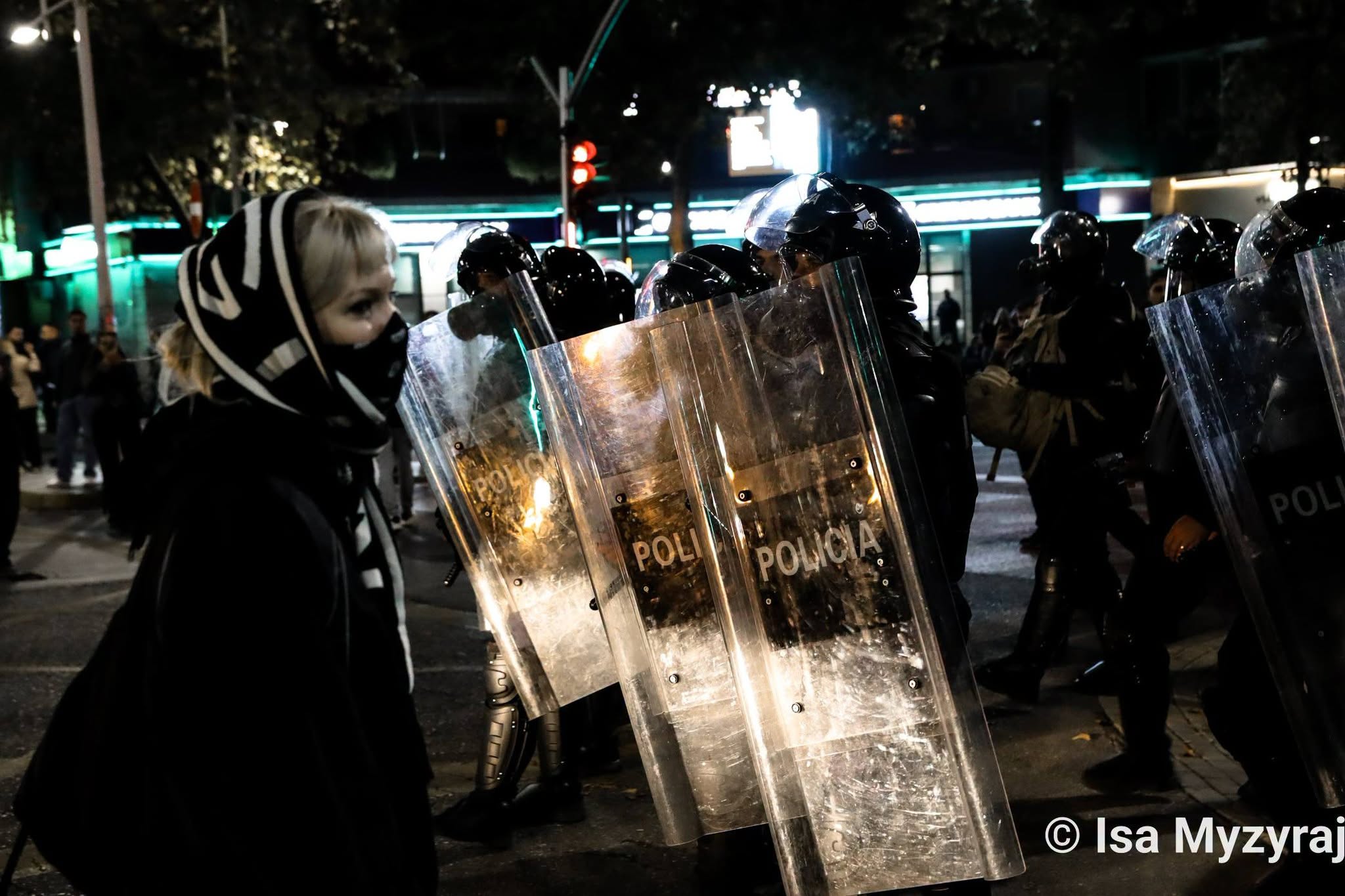
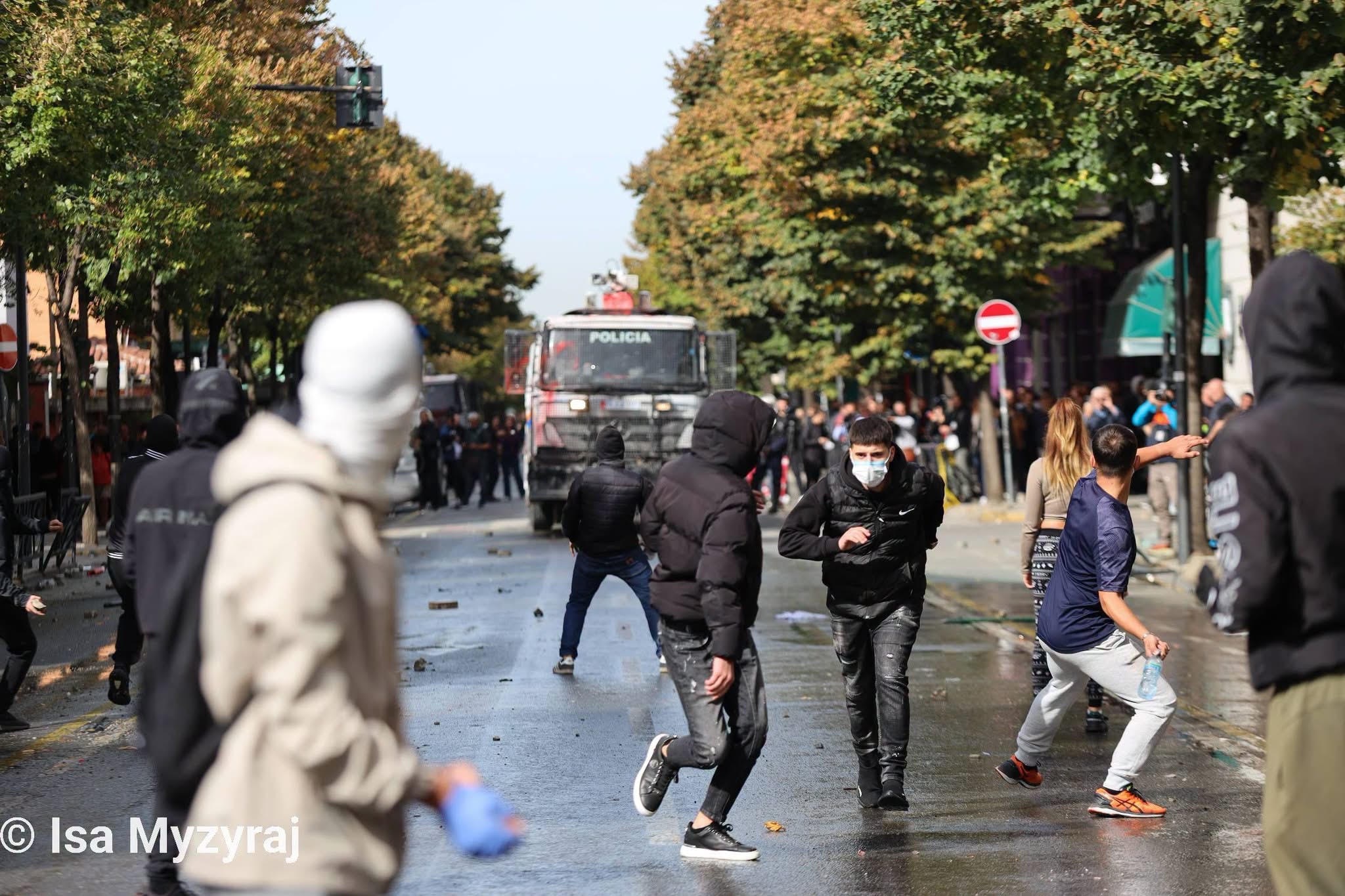
“The police generally adhered to freedom of protest and assembly, but recently we have seen violence against students, protestors and journalists, as well as excessive use of force”, Kos said.
According to her, the EU expects the police to take proportionate actions and for the basic rights of citizens to be respected, as well as for cases of violence to be investigated as a priority.
“We condemn every act of vandalism, hatred and violence among the participants of the protests and call on all parties to de-escalate tensions”, Kos said.
She remarked that Serbia must create conditions for a renewed dialogue between all participants of the political scene and in the whole society, and that the European Commission is of the opinion that it should be based on a new consensus on key reforms.
Kos reiterated that it is in the interest of the EU that a democratic Serbia joins the European Union, adding that concrete steps in democratic principles and reforms are expected for Serbia’s progress.
“At the same time, we see some progress in alignment with the EU’s foreign and security policy, and the country needs to continue moving in this direction, and much more needs to be achieved in other domains”, Kos said.
“The door is wide open, and what we offer has no competition. Serbia will demonstrate its position through the political will to implement the necessary reforms. European orientation must be displayed by public discourse, but also by concrete action within and outside the country”, Kos underlined.
Reinhold Lopatka, a member of the European People’s Party, noted that it is in the hands of Serbian President Aleksandar Vučić to decide whether to take Serbia to Europe, in the way Montenegro does, or, like Georgia, to go in the opposite direction.
“Serbia has a European future, which is open, but it depends on respect for our common values, independence of the judiciary, freedom of the media and political pluralism, as well as on greater alignment with foreign and security policy, including towards Russia”, said Lopatka.
Tonino Picula, from the Socialists and Democrats group and the EP’s Rapporteur for Serbia, remarked that the tragedy in Novi Sad had shown that corruption is not an ordinary crime, because it destroys institutions and costs lives.
“We need an independent investigation, not an obstruction. Citizens are asking for change and responsibility”, Picula said, stressing that Serbia is saying that it wants to be part of the EU, but is increasingly moving away from the values of the Union. Concrete results are needed, not empty promises.
During the debate, voices were also heard that attacks against the President of Serbia are being financed from abroad, “in order to overthrow him and his successful course”.
Irena Joveva, a member of the Renew Europe group, said that MEPs should learn the lesson about democracy from brave students from Serbia, by clearly saying that the end of autocrats from Belgrade is approaching and that targeted sanctions are needed.
“We choose justice, we choose Novi Sad”, Joveva remarked.
According to Andrey Kovatchev (EPP), Serbia is at a crossroads and it is trying to balance between Russia, China and the EU, thereby undermining its European future.
Vladimir Prebilič, a member of the European Greens, stressed that it is obvious from the example of Novi Sad that corruption kills.
Prebilič said that 16 lives were lost because someone embezzled money for their safety.
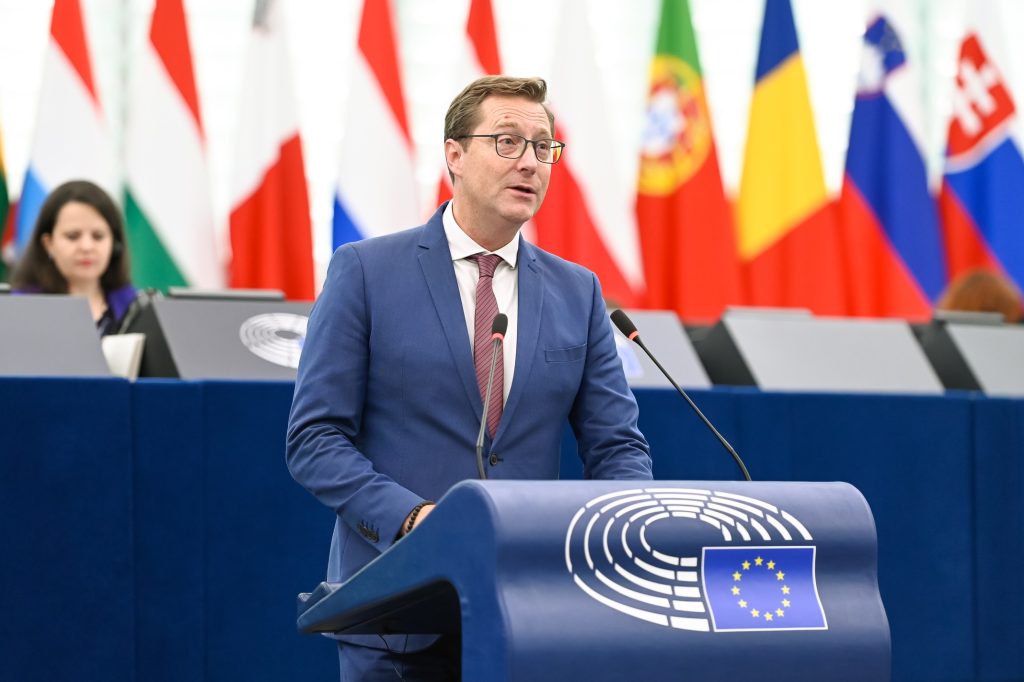
“This is not negligence; it is murder on the basis of corruption. Citizens in the streets are calling for change, justice, and it can only come if the elections are fair”, Prebilič said, adding that: “we are in favour of a tougher approach to the EU, which has been delayed”.
On the other hand, Tomasz Froelich, a member of Europe of Sovereign Nations group, criticized MEPs for “wanting Serbia to become a new Ukraine”, arguing that the protests are being used for geopolitical purposes.
“You are destabilizing Serbia with Western intervention,” Froelich said.
Kathleen Van Brempt (S&D), criticised President of the European Commission Ursula von der Leyen for taking a photo with Vučić again last week, saying that citizens understood this as supporting anti-democratic forces.
“We look forward to Serbia’s EU membership, but to the EU membership of a democratic Serbia”, she remarked.
Annamária Vicsek, a representative of Fidesz (Patriots for Europe group), reminded that a year has passed since the tragedy in Novi Sad and that some people had been called to account, adding that many individuals had resigned from their posts, as well as that court proceedings are being conducted.
“Here we have a debate on Serbia again, and we never invite the representatives of the Serbian authorities”, she assessed, noting that the EU cannot interfere in the internal affairs of Serbia, which seeks dialogue.
Summing up the remarks of the MEPs, European Commissioner for Enlargement Marta Kos stressed that Serbia must choose its strategic path, stating that the EU accession offers solutions to many dilemmas presented by MEPs this night.