The year 2025 brought mixed developments to the Western Balkans’ EU integration process. While Albania and Montenegro recorded progress in accession negotiations and strengthened their position among the frontrunners, the rest of the region continued to face political uncertainty and slow reforms. In Serbia, Bosnia and Herzegovina, and Kosovo, internal political disputes and institutional weaknesses remained key obstacles to moving forward on the EU path. North Macedonia also saw little change over the year, remaining formally committed to EU membership but without concrete progress.
We highlight key events and trends that shaped 2025 in the Western Balkans.
1. Montenegro and Albania advance in EU accession
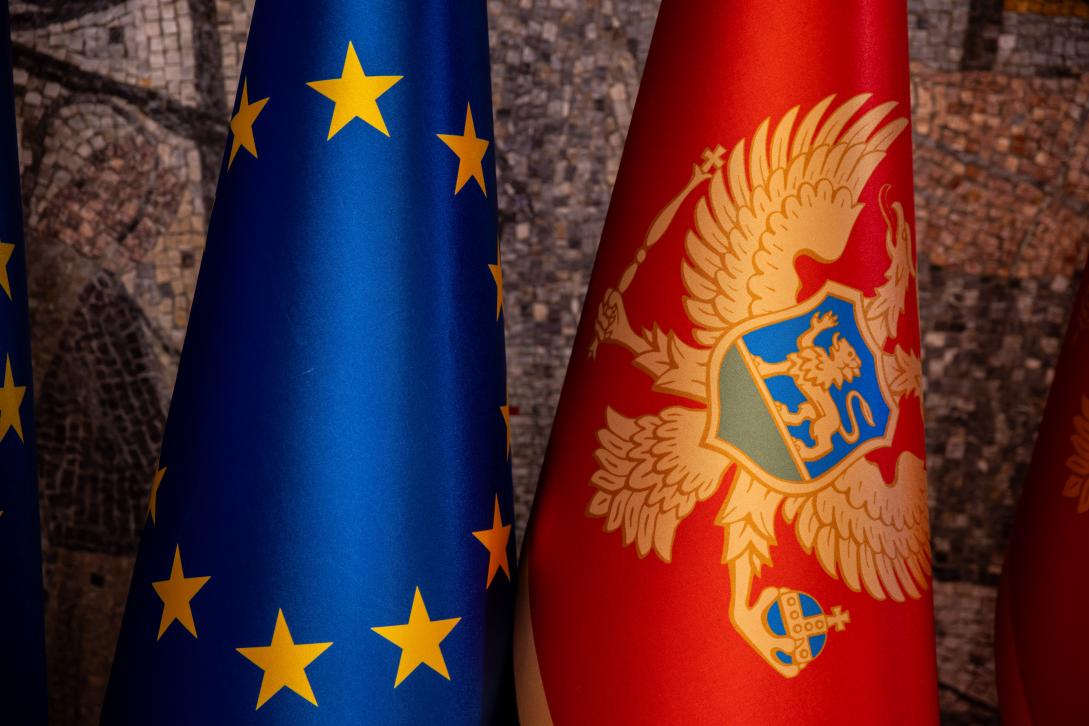
This year, Montenegro and Albania continued their progress toward European integration. A milestone for Albania came in mid-November, when the country opened all negotiation chapters, overtaking Serbia in the EU integration process and emerging alongside Montenegro as a frontrunner.
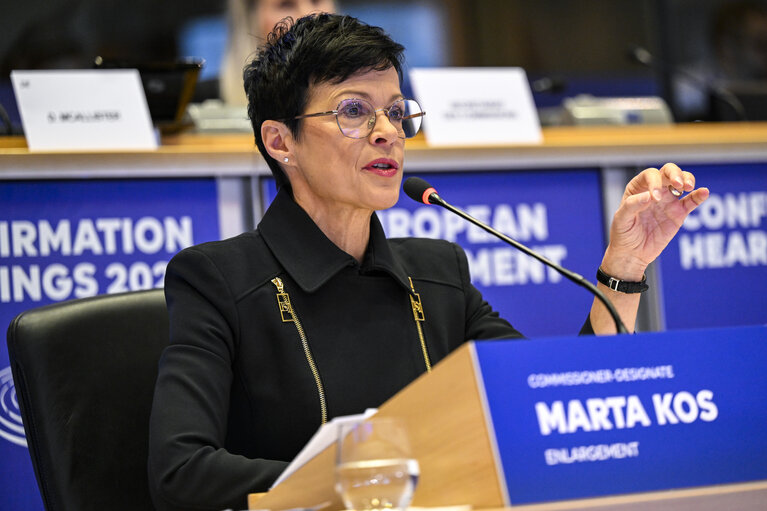
European Commissioner for Enlargement, Marta Kos, noted that “the EU can rely on Albania in the future,” adding that the success of the process came from the combined efforts of authorities, civil society, and citizens demanding and supporting reforms.
“Delivering results moves you forward. You inspire many Western Balkan countries and citizens who seek the same determination and change. Opening all clusters is extraordinary, but closing them is the real reward,” Kos said.

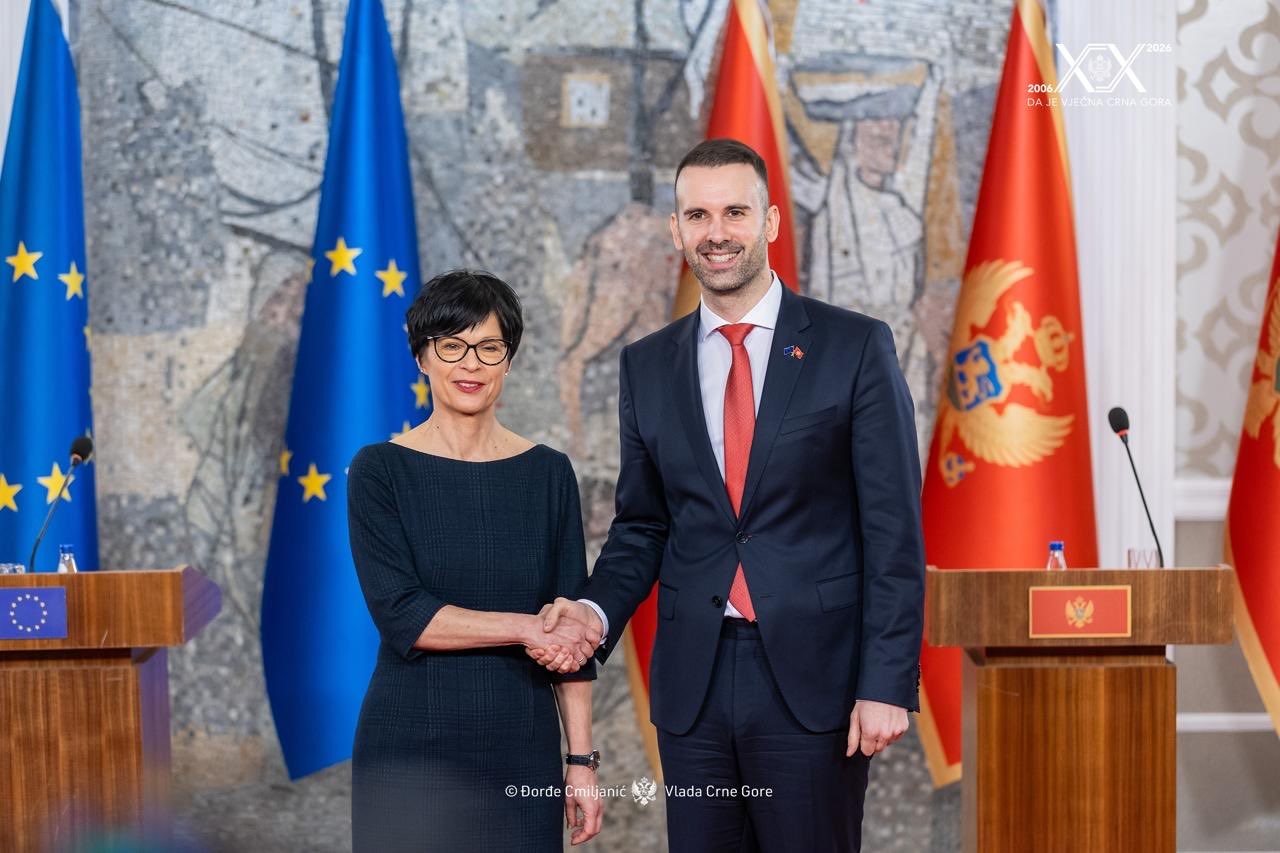
Montenegro also maintained momentum, closing five negotiating chapters at the intergovernmental conference in mid-December. By the end of 2025, Montenegro had completed one-third of the chapters, with the European Commission and member states like Germany calling for the start of accession treaty negotiations.
Enlargement Commissioner Marta Kos stated that Montenegro is indeed a frontrunner in the EU integration process and the candidate country with the best results, with a total of 12 negotiation chapters closed.
“The coming year will be decisive, and more than ever, Montenegro will need national unity to reach its goals. We will support you every step of the way”, Marta Kos said.

2. Deadly fire in Kočani sparks outcry over safety and accountability in North Macedonia
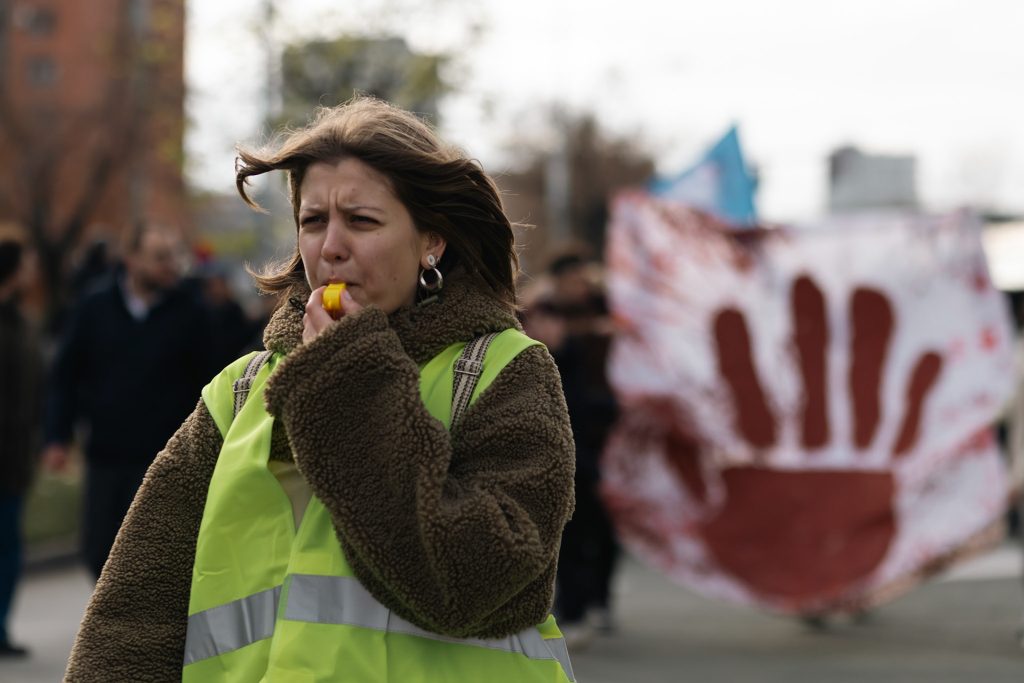
A devastating fire at the Puls nightclub in Kočani shook North Macedonia, raising serious questions about public safety, institutional responsibility, and oversight mechanisms. The tragedy claimed 63 lives and injured more than 200 people. Investigations revealed that the nightclub failed to meet even the minimum technical standards for operation.
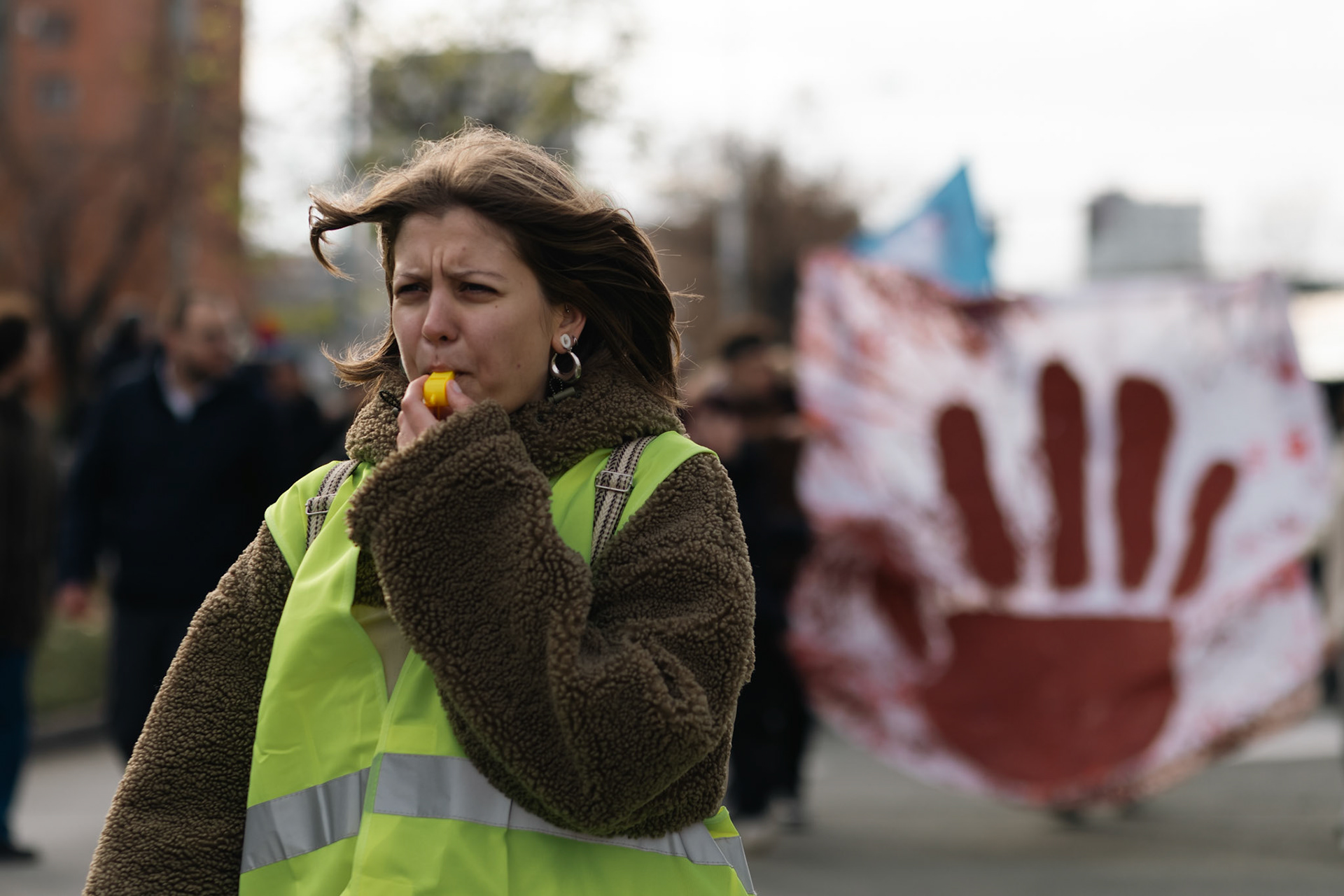
A total of 34 individuals and three companies were indicted, including the nightclub owners and former ministers and mayors. Families of the victims organized the “March for the Angels” in Kočani every Saturday and joined thousands of citizens in Skopje to demand justice. While public demand for accountability remained high, skepticism persisted regarding whether justice would ultimately be delivered.
3. A year of political deadlock in Kosovo
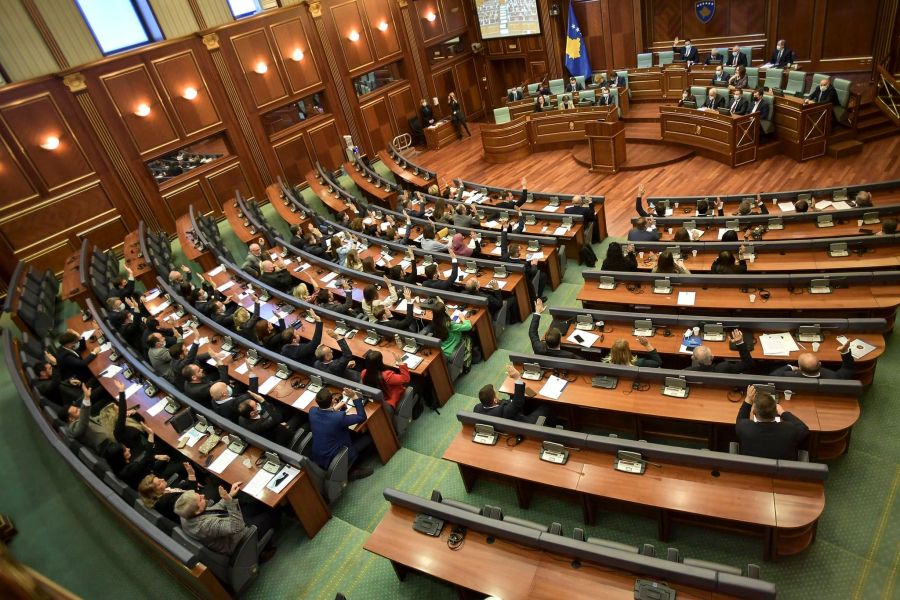
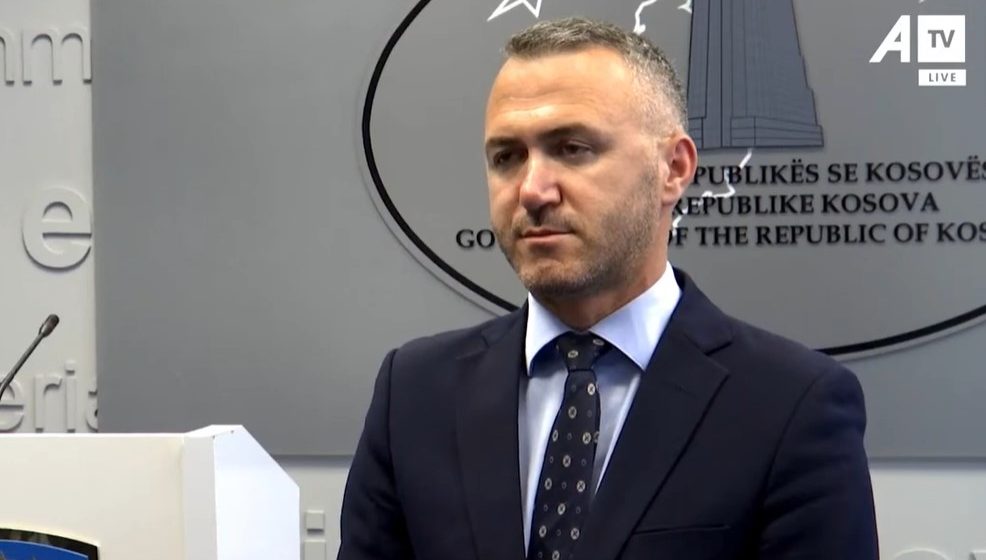
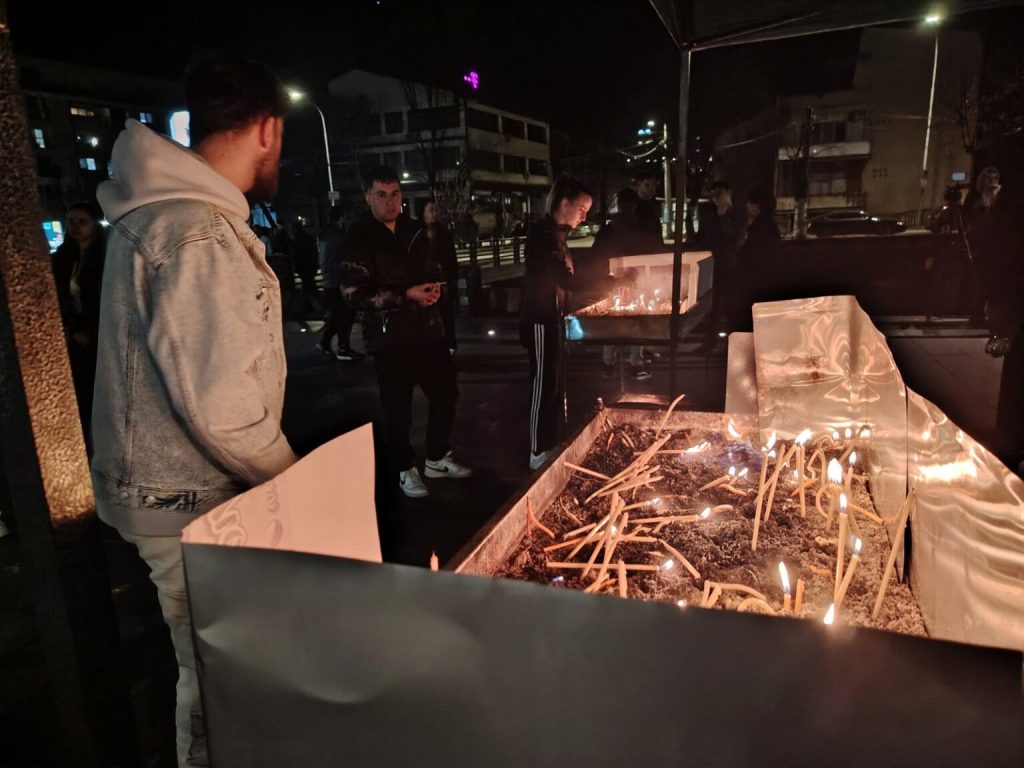
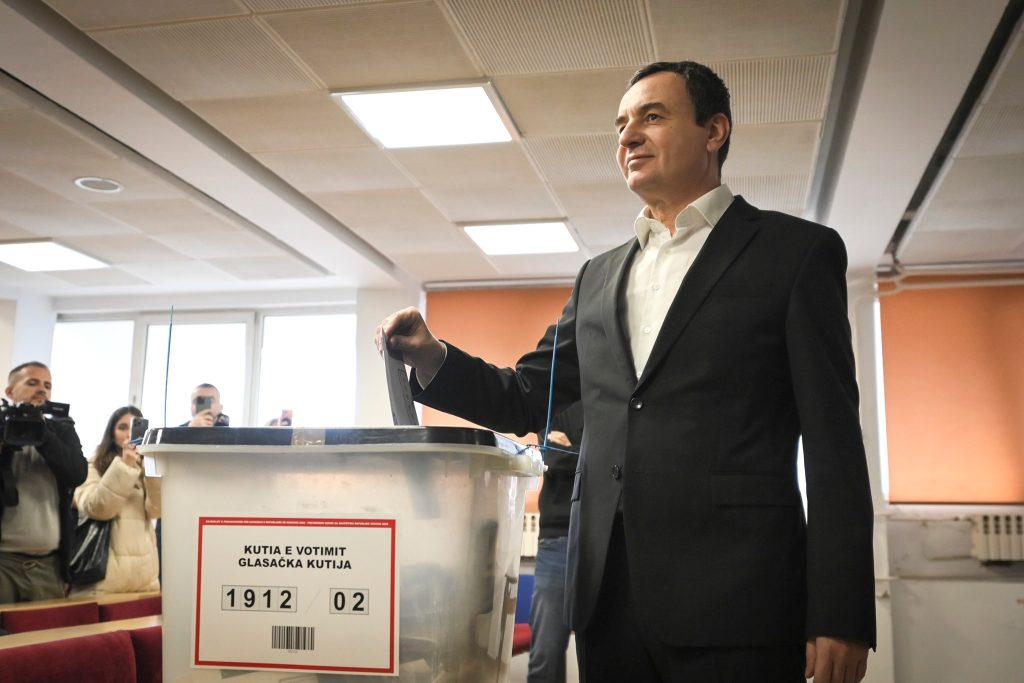
In February 2025, Kosovo held parliamentary elections in which Self-Determination Movement (LVV), led by Albin Kurti, won the largest number of seats but fell short of a majority. This created months of political deadlock, with multiple failed attempts to form a coalition government. Key reforms, budget approvals, and EU-related processes were delayed due to the absence of a fully empowered executive.
Faced with prolonged institutional paralysis, President Vjosa Osmani called for early elections in December. Preliminary results indicated a stronger mandate for LVV, potentially ending months of political stagnation and highlighting the importance of timely coalition-building for political stability.
According to the results of the rerun elections held on 28 December, the political stalemate has been overcome. The Self-Determination Movement (LVV), led by caretaker Prime Minister Albin Kurti decisively won. According to the preliminary results, LVV won 56 out of 100 seats in the parliament for the majority Albanian community, Koha reports. The remaining 20 seats are reserved for non-majority communities, 10 of them for the Serb parties and 10 for other communities.
4. Parliamentary elections in Albania: Rama secures another term
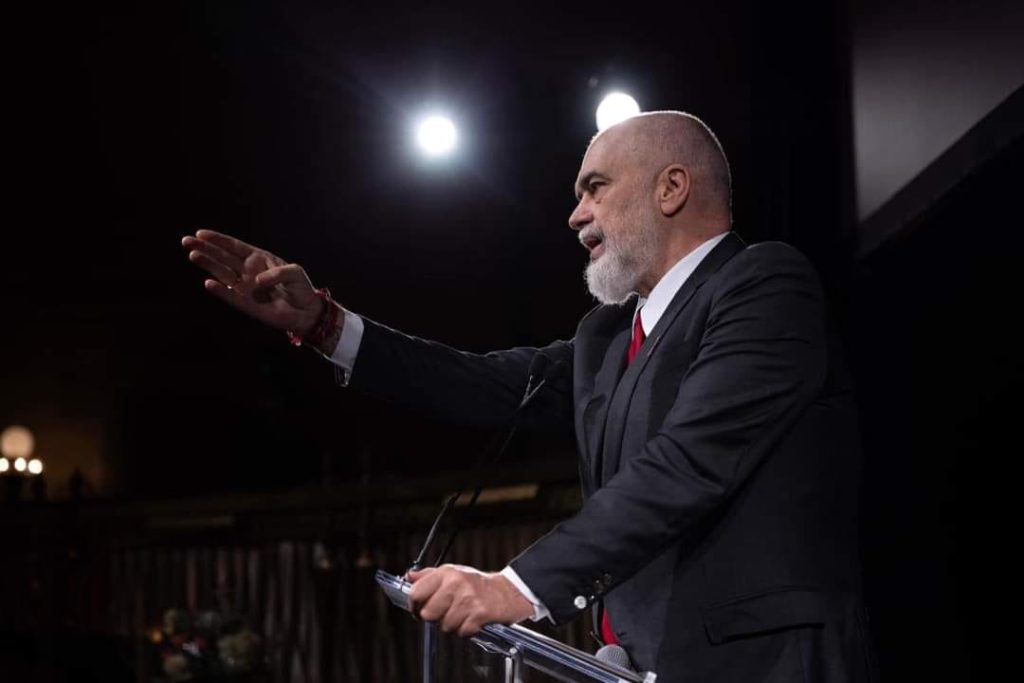
Albania held parliamentary elections in 2025, closely monitored domestically and internationally. The ruling Socialist Party led by Edi Rama secured another term and maintained its parliamentary majority, while the opposition failed to convert public dissatisfaction into an electoral shift. International observers assessed the elections as competitive but raised concerns about misuse of public resources, media imbalance, and pressure on voters.
The results ensured political continuity but reinforced deep political polarization. While the government hailed the outcome as confirmation of reform-oriented policies, the opposition questioned the credibility of the vote, leaving Albania in a post-election period of unresolved tensions even as its EU agenda remained formally on track.
5. Serbia: Continued political crisis, repression and new political actors
The past year in Serbia was marked by a deepening political crisis, heightened polarization, increased government repression, and the emergence of a new political actor threatening to challenge the ruling regime.
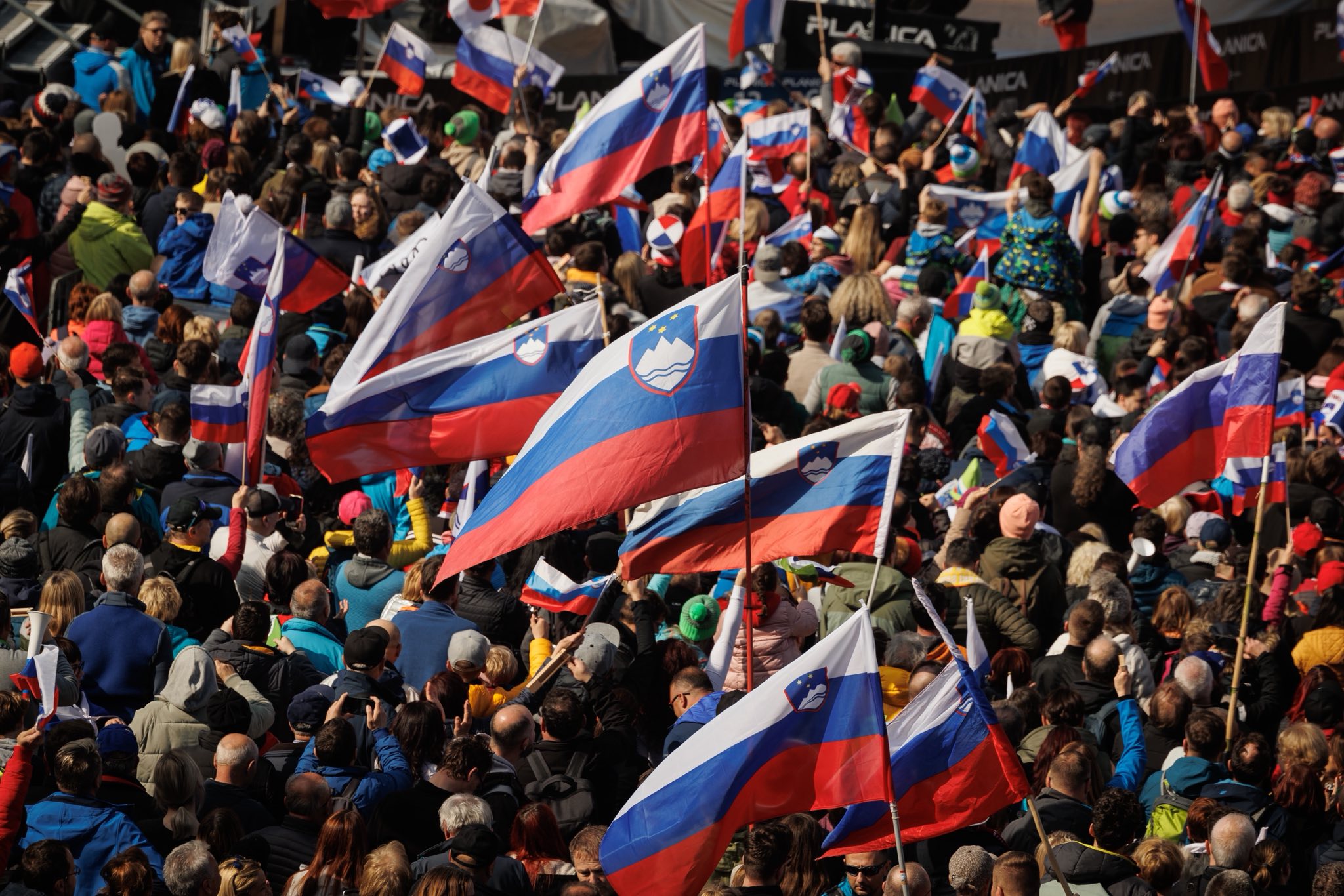
Throughout 2025, mass civic protests continued, led by Serbian students. Several large-scale demonstrations took place, among the largest in modern Serbian history. Undoubtedly, the most significant occurred on 15 March, when a peaceful protest was abruptly interrupted by the use of sound-based weaponry.
Images of calmly assembled citizens suddenly fleeing an invisible threat circulated worldwide. It soon became clear that the “invisible threat” was a type of sound weapon. To this day, not all circumstances surrounding the incident have been fully investigated, and at the request of Serbian authorities, the Russian FSB reported that no sound weapon had been used.
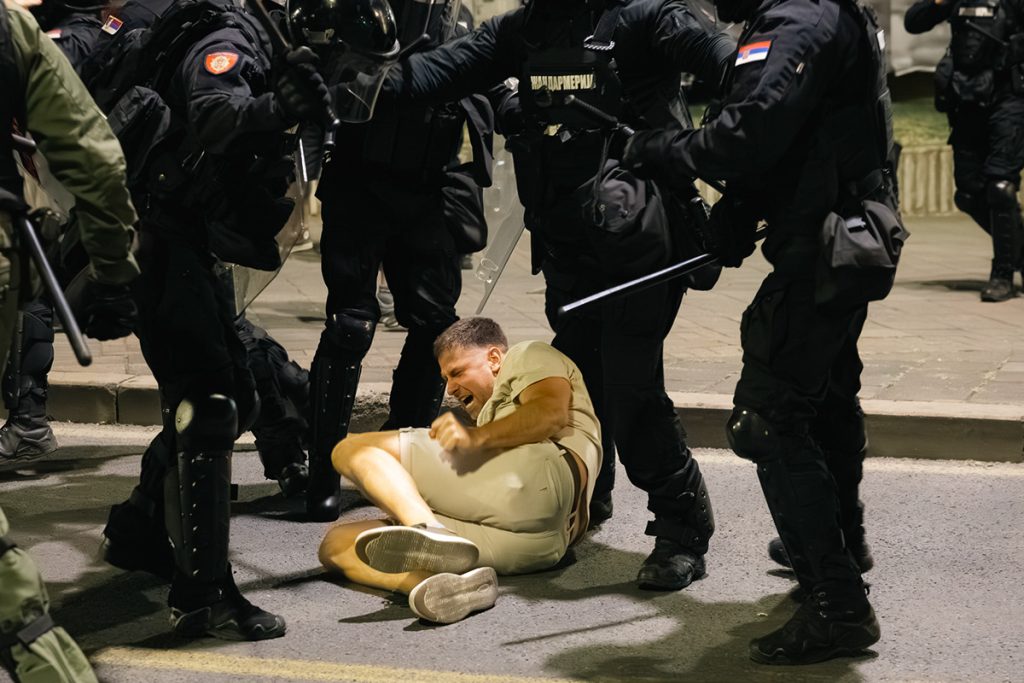
During the summer, and following the mass protest on 28 June in Belgrade, the government began implementing repressive measures against students and citizens. Police actions were widely criticized as disproportionate, and hundreds of students and citizens were detained during clashes.
In May 2025, students from universities across Serbia formally demanded the holding of early parliamentary elections and announced their intention to participate. Over the course of the year, students worked on assembling their electoral list, which, they stated, would not be published until the elections were officially called.
6. Dodik verdict triggers legal and political upheaval in Republika Srpska
The verdict against Milorad Dodik marked a year in which the judiciary confronted the political reality of Republika Srpska for the first time. Criminal proceedings, initiated by interventions from High Representative Christian Schmidt, were based on new provisions criminalizing the failure to implement decisions of the High Representative and undermining the constitutional order. Dodik was sentenced to one year in prison, commuted with a fine, and received a six-year ban on holding public office, formally marking his fall from the presidency of Republika Srpska.
Instead of stabilizing the system, the National Assembly of RS launched a counteroffensive, adopting laws undermining the authority of the High Representative and the state level. An international arrest warrant was issued, though Interpol rejected the request due to the political nature of the case. Eventually, SNSD agreed to early elections, appointing Siniša Karan as president.
7. Local Elections in North Macedonia
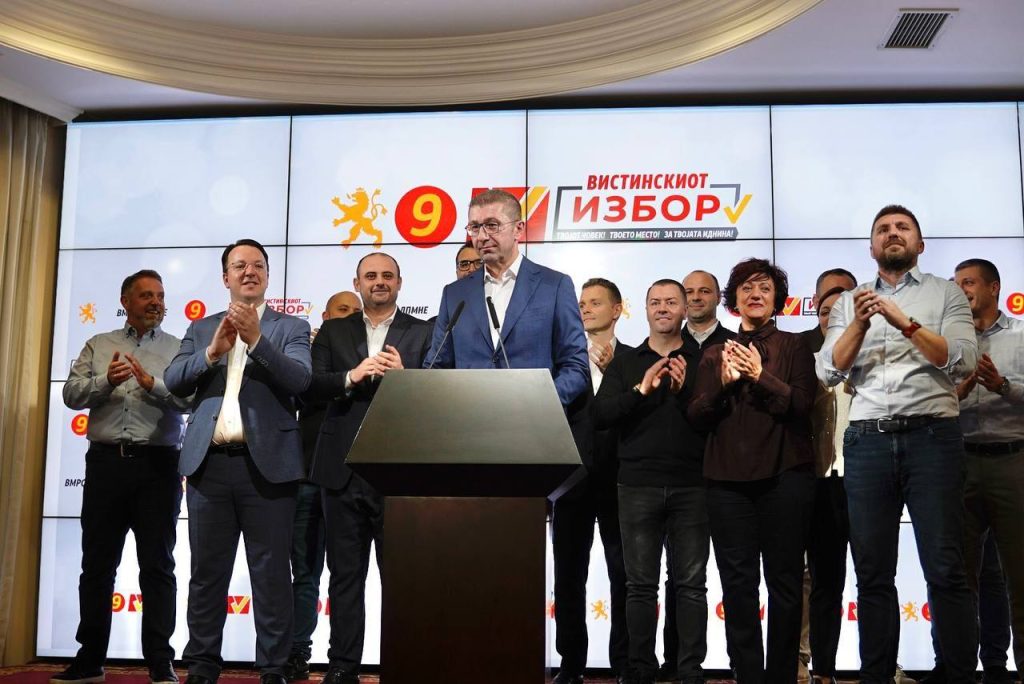
Local elections in North Macedonia in 2025 tested both ruling and opposition parties amid ongoing national political stagnation. Voter turnout was moderate, and results revealed a fragmented political landscape, with no party achieving dominance. Local issues such as public services, urban development, and corruption dominated campaigns.
The elections reinforced political polarization and voter dissatisfaction. While ruling parties retained control in some municipalities, the opposition made gains in others. International observers deemed the elections orderly but noted persistent challenges in campaign practices and local governance, reflecting a continuation of the political status quo.
8. USAID withdrawal
In 2025, the US administration decided to withdraw USAID programs from the Western Balkans after decades of involvement in governance reform, civil society development, independent media, and economic growth. The reduction reflected a reassessment of priorities and an expectation that countries increasingly rely on domestic capacities and European funding mechanisms.
The withdrawal created uneven consequences, with civil society organizations and independent media warning of financial gaps difficult to replace, particularly in countries with limited domestic support for these sectors.
9. US sanctions hit Serbia’s petroleum industry
In 2025, Serbia’s Petroleum Industry of Serbia (NIS) was added to the sanctions list, and after repeated postponements via special OFAC licences, the measures officially took effect on 1 October. The sanctions severely restricted Petroleum Industry of Serbia (NIS)’s ability to operate normally, prompting the Serbian government to explore ways to preserve the company and the country’s energy security, including efforts to change its ownership structure.
In response to the sanctions, the Serbian government set a deadline for Russian shareholders to sell their stake and sought solutions to keep Petroleum Industry of Serbia (NIS) operational. In mid‑November, authorities announced a 50‑day window for Russian owners to find a new buyer, and later received a U.S. OFAC licence extending negotiations until 24 March 2026. However, the licence did not permit full operational activity, leaving the future of Petroleum Industry of Serbia (NIS) and Serbia’s refinery operations in uncertainty.
The most recent development at the end of 2025 saw Hungary’s oil company MOL officially enter talks to acquire the Russian stake in Petroleum Industry of Serbia (NIS).
10. Increased pressure on independent media in Serbia
In 2025, pressures on independent media in Serbia operating under United Group intensified. During the year, United Group completed the sale of SBB in Serbia, along with broadcasting rights for sports events and NetTV Plus.
This move significantly reduced the company’s direct commercial influence in Serbia, but media channels such as N1, Nova S, and other portals remained under its control.
The sale is seen as part of a strategy to reduce United Media’s visibility in the Serbian market, which, combined with political pressures, created an environment for potential changes in editorial policy.
During 2025, a leaked audio recording emerged of a conversation between Stan Miller, CEO of United Group (the parent company of United Media), and Vladimir Lučić, director of the state-owned Telekom Srbija, known as a close associate of President Aleksandar Vučić.
In the recording, Lučić tells Miler that the President of Serbia personally requested the dismissal of Aleksandra Subotić, then director of United Media, the company managing N1, Nova S, Danas, Radar, and other independent media outlets, due to their critical reporting and the space they provided for opposition views and protests.
The released recording is considered the most direct evidence to date that the state leadership and public sector were interfering in the editorial policy of independent media, raising serious concerns among the media community and international observers.
The Serbian Organized Crime Prosecutor’s Office continues to investigate the recording, focusing primarily on verifying its content rather than who released it or the intentions behind government actions, further affecting the reputation of the media scene and perceptions of press freedom.
Editors of media outlets operating within United Group are seeking to buy out their media at market prices to guarantee editorial independence from ownership influence.
11. The battle over General Staff buildings in Belgrade
In 2025, the fate of the General Staff buildings in Belgrade became one of the most divisive political issues in Serbia, symbolising clashes between the ruling party, the judiciary, and broader civic sentiment.
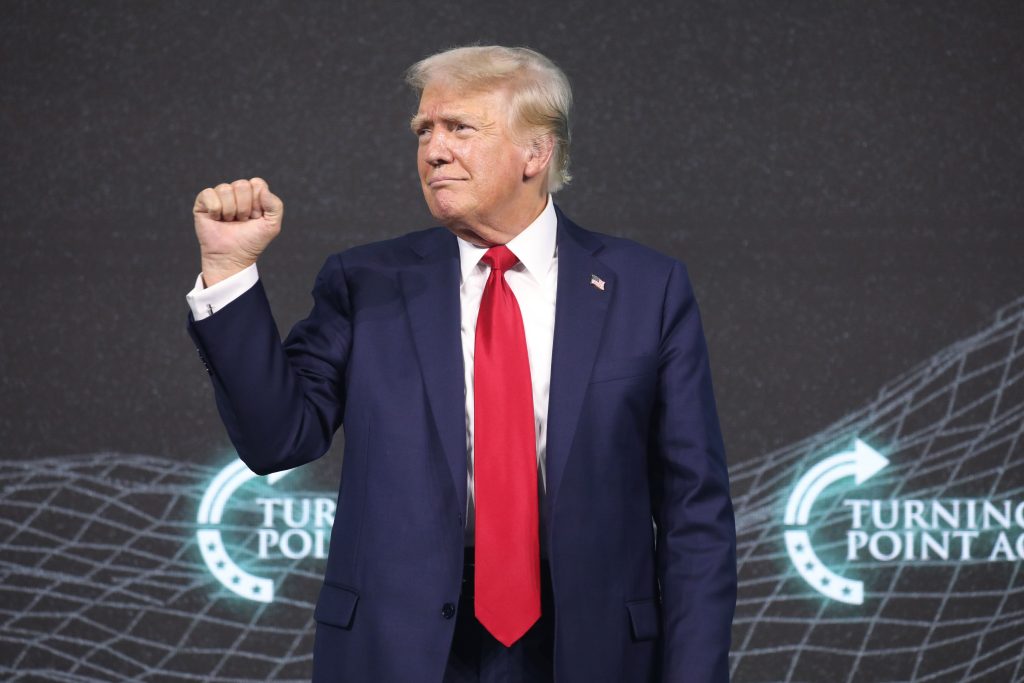
The government pushed a plan to demolish the historic complex, heavily damaged during the 1999 NATO bombing, and lease the land to a construction company owned by Jared Kushner, son‑in‑law of then‑U.S. President Donald Trump, for a major development project that included a hotel, residences, and a small memorial.
This proposal sparked widespread protests from citizens, opposition parties, students and heritage groups who viewed the site as a cultural and historical emblem not to be erased.
The controversy deepened as legal and political tensions mounted. Parliament passed special legislation to fast‑track the redevelopment, and prosecutors launched an investigation into suspected abuse of office and document forgery connected with stripping the complex of its protected cultural status, including charges against the Minister of Culture Nikola Selaković and other officials.
These legal proceedings pitted Serbia’s judiciary against the executive branch, raising concerns over rule of law, heritage protection, and political interference in legal processes. By mid‑December, the prosecution’s actions contributed to the withdrawal of Kushner’s company from the project, after declaring that major projects “should unite, not divide,” and citing respect for citizens and the City of Belgrade.
According to a poll carried out for media portal Savremena politika, 64.3 per cent of citizens of Serbia opposed the project, with many expressing fears of corruption and loss of heritage tied to the controversial deal.