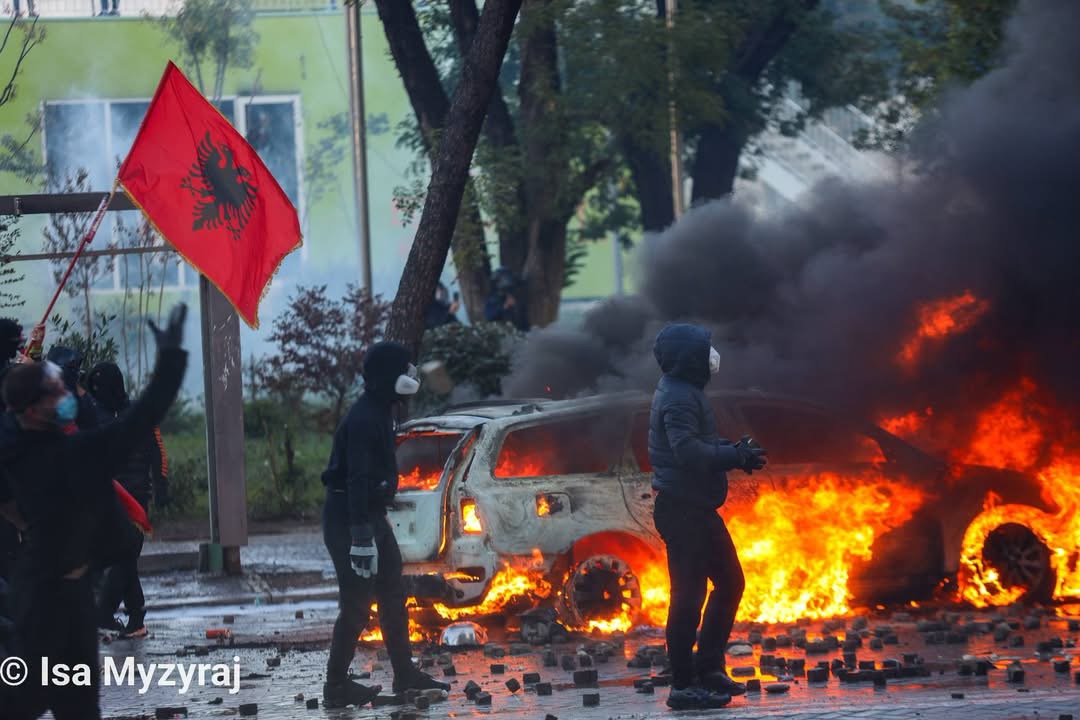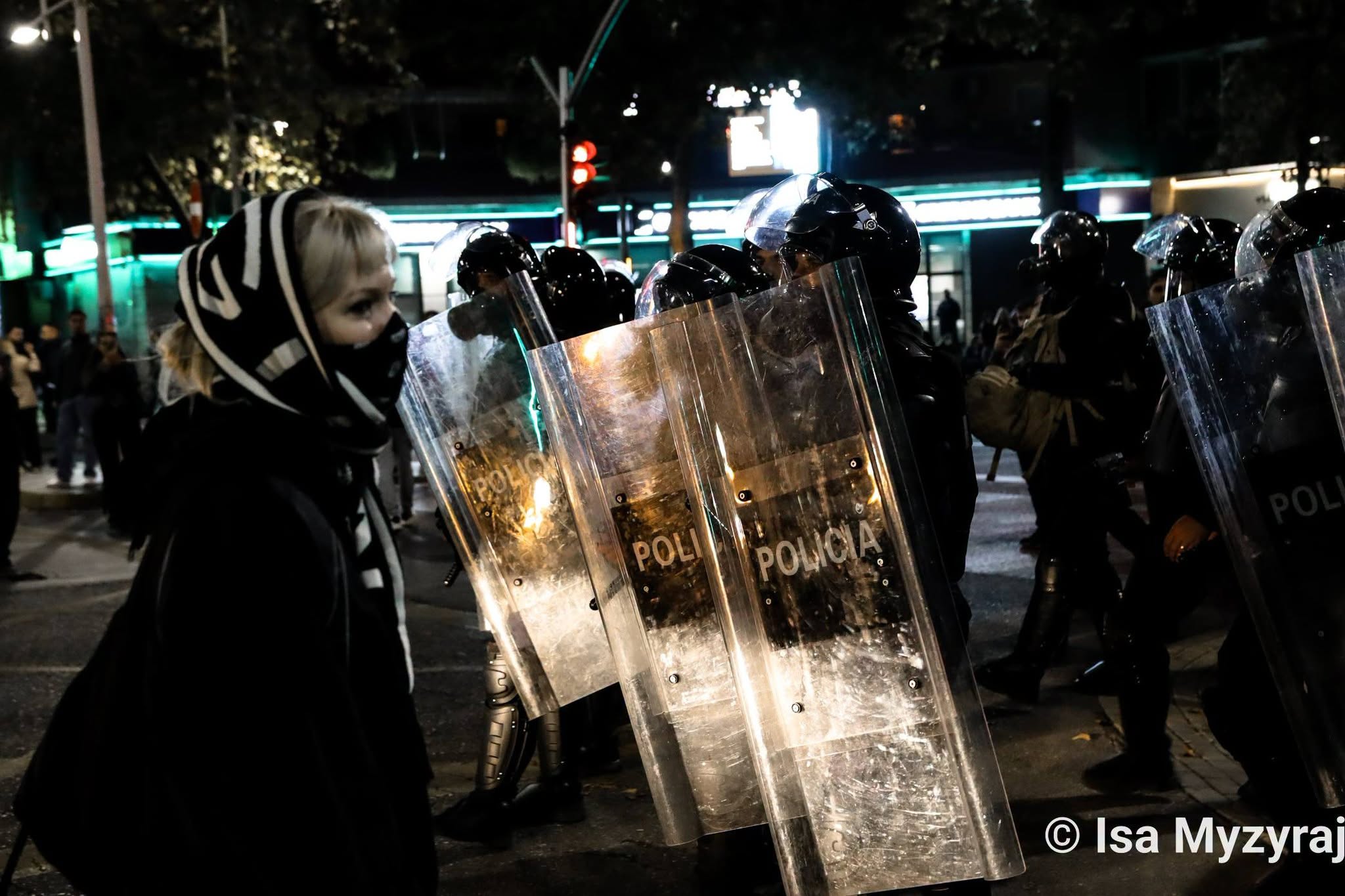
PODGORICA – NATO Secretary General Mark Rutte said today during his visit to Montenegro that there are actors trying to pull the Western Balkans backwards and destabilise the region, but that NATO is committed to ensuring that all the problems of the past remain in the past there.
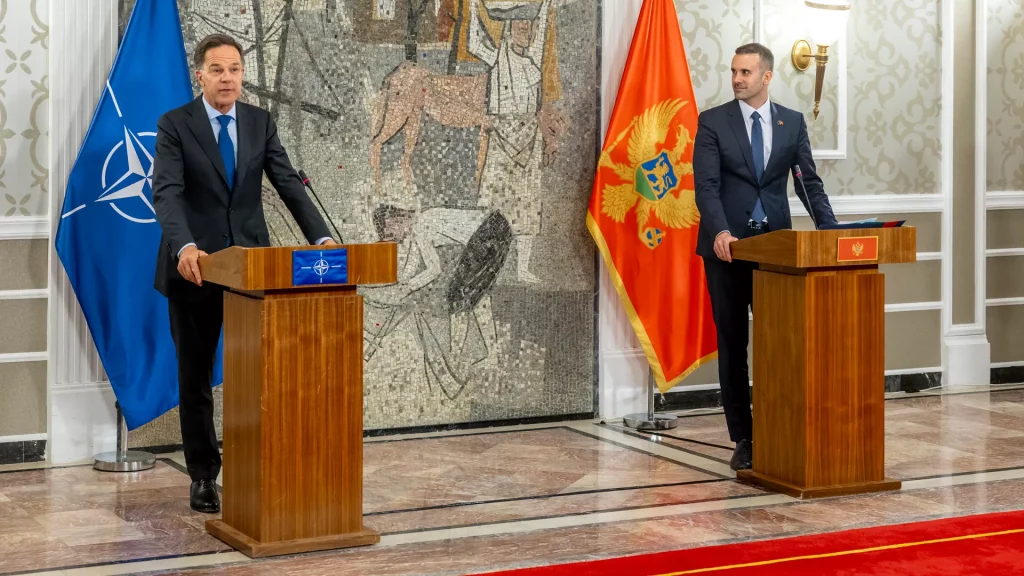
“We will identify and oppose every malicious activity on NATO territory,” said Rutte during the press conference with Prime Minister of Montenegro Milojko Spajić.
He emphasised that Russia continues its war of aggression against Ukraine, that China is becoming increasingly assertive in its approach, and that the southern neighborhood is unstable, Vijesti reports.
He welcomed the fact that Montenegro is already investing more than two per cent of its GDP in defence.
“I count on you to maintain that momentum”, Rutte said.
He stressed that he is grateful for Montenegro’s support for Ukraine, including military equipment and contributions to the comprehensive aid package.
Rutte pointed out that nine years have passed since Montenegro joined the Alliance and that since then it has been a valued member of the transatlantic family.
“Montenegro has 31 friends and allies by its side, ensuring that this country remains safe and secure. For example, Greek and Italian aircraft continue to protect your airspace,” he said.
According to Vijesti, Rutte also emphasised that Montenegro is an exporter of security as well, deploying troops to NATO forward land forces in Latvia and Bulgaria, helping deterrence and defense against any aggression.
In his remarks, Prime Minister Spajić said that investments in the Army are only beginning, adding that “some positive things” should happen in the future as well.
He said that in June, Montenegro will have an interstate agreement with the United States, when they hope to begin work on infrastructure for both civilian and military use.
He said that Montenegro is like a “mini Western Balkans,” despite not having an ethnic majority, but that this is not a weakness but a strength.
“We are trying to be a constructive factor, one that will serve as a connecting factor,” said Spajić.