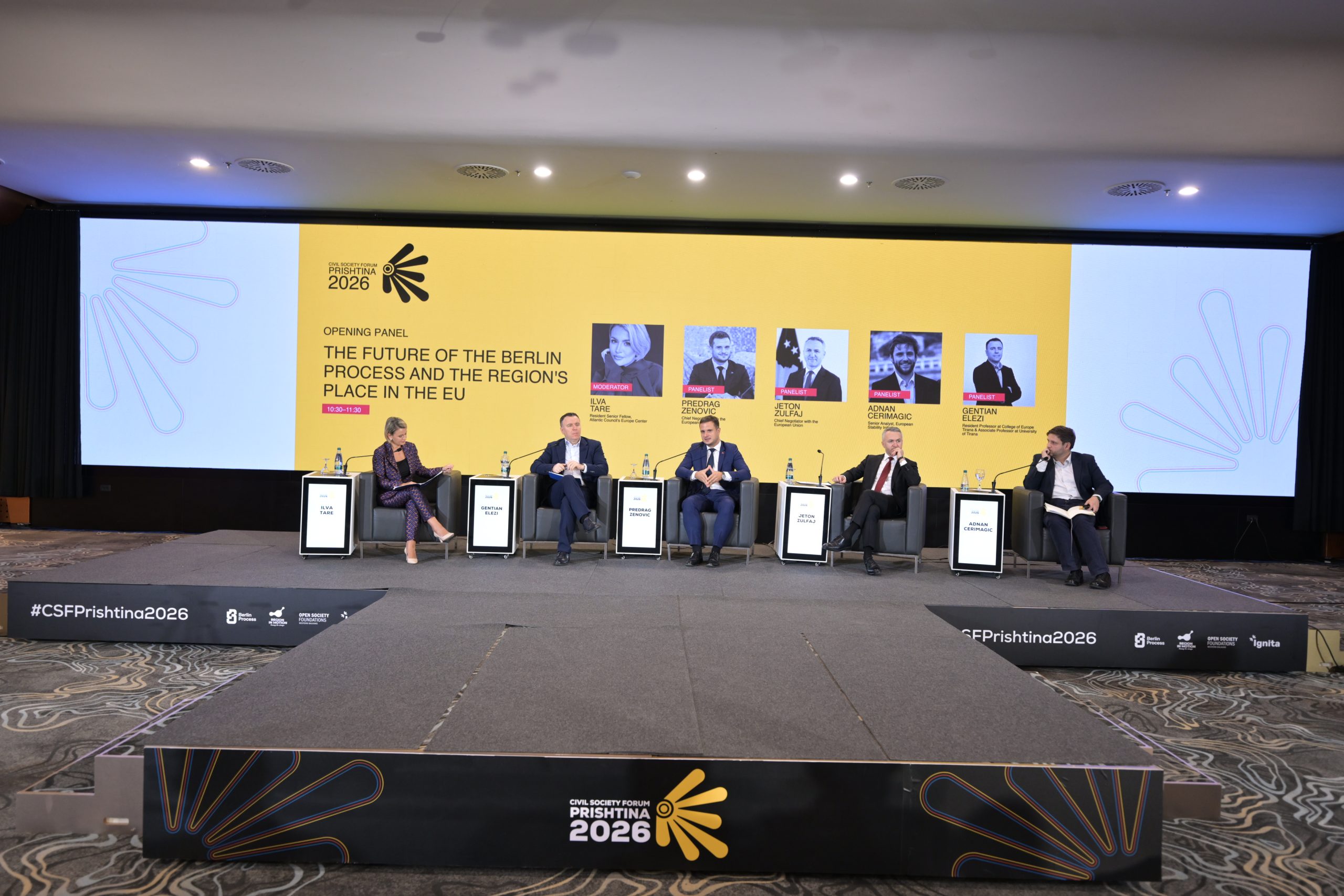
PRISTINA – The Commission’s new package of pre-enlargement policy reviews includes welcome proposals that were previously supported by civil society in both the EU and the region, though there is still room for improvement. Nevertheless, the future of enlargement depends on the political level of Member States. While Montenegro still has a realistic chance of finishing the accession talks in the first part of next year, more political initiative from EU leaders is required when it comes to enlargement.
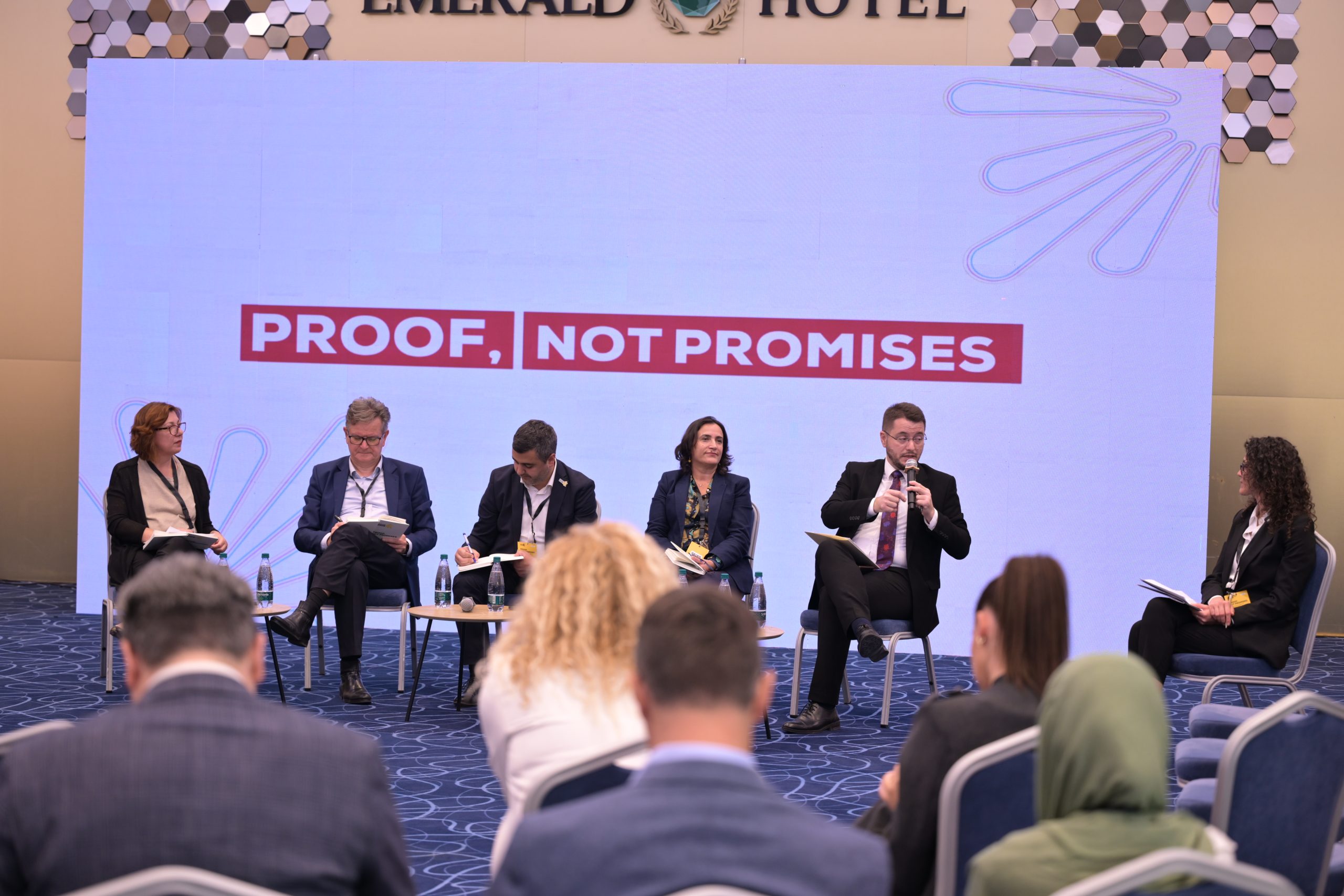
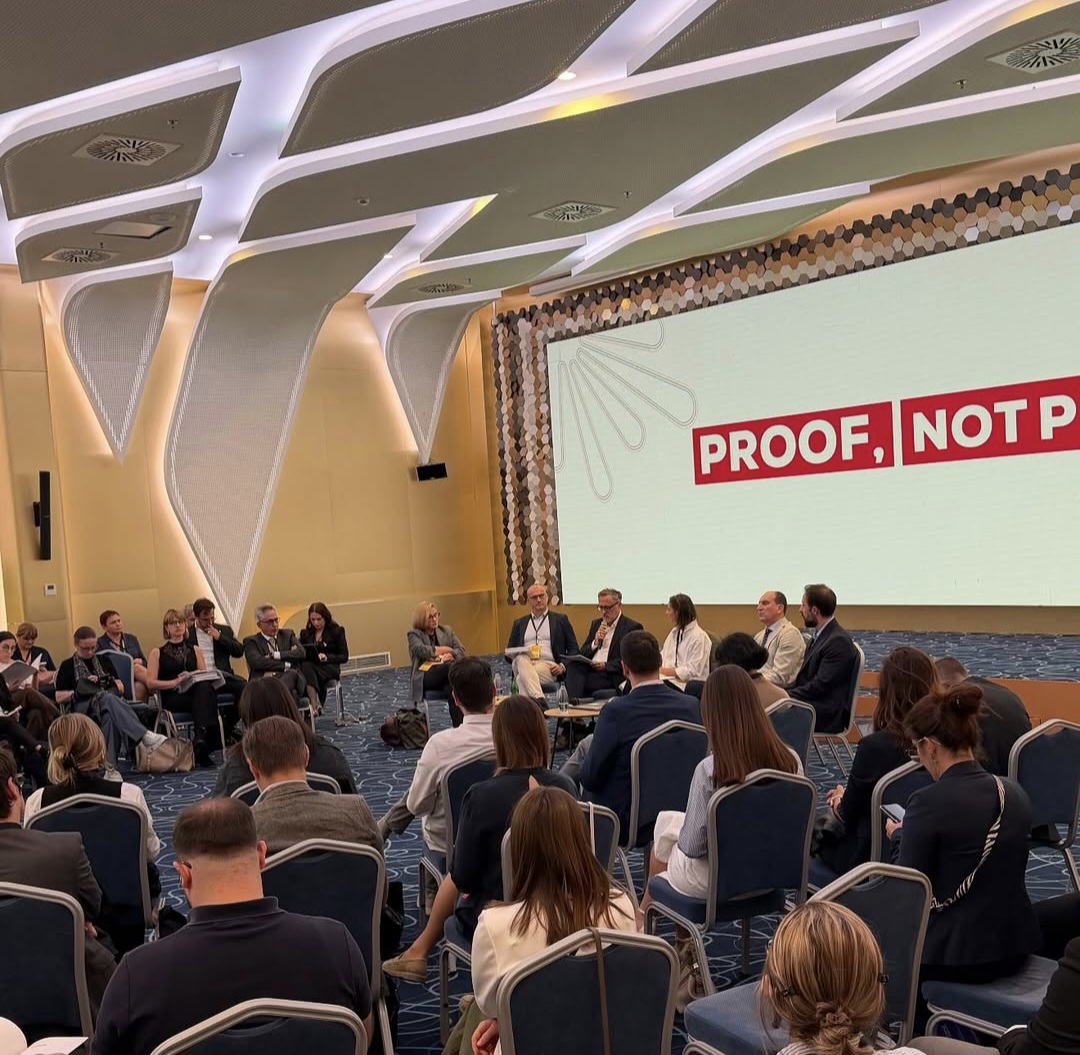
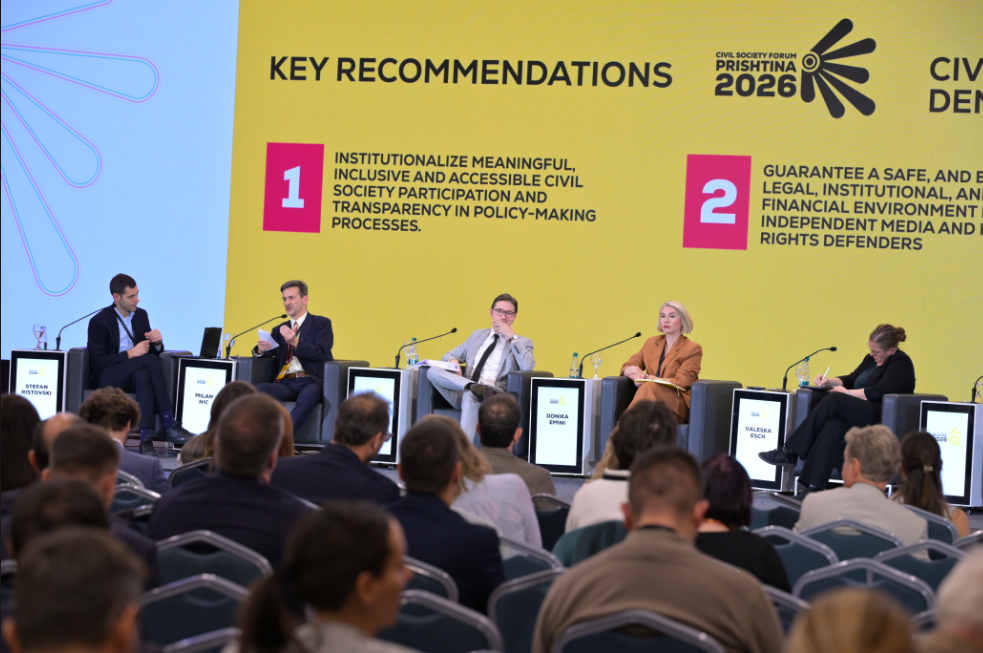
These were the main conclusions of the final session of the Civil Society Forum 2026, held in Pristina, under the title “Enlargement by Design: The Mechanisms of Getting It Right”.
Milan Nič, Senior Research Fellow at the German Council on Foreign Relations (DGAP), said that, while the Commission presented its proposals yesterday, it will be the Member States who will discuss enlargement during October and December European Council meetings, which is the most important aspect of this story.
“We have seen a downgrading of enlargement on the items of the agenda, because the EU budget negotiations are not looking good”, Nič pointed out.
Nevertheless, he expects conceptual clarity on key pieces of EU enlargement, including a clear statement that enlargement will happen, as well as clear political ownership from key leaders from the European Council scheduled for 15 and 16 October.
“Montenegro’s accession process is not a done deal, and we will see a dramatic finish of the negotiations. It hinges on three member states: France, the Netherlands and Croatia. It is still fragile”, Nič warned.
He assessed that, if there is a deal on the EU budget in January, the process could conclude next spring before the French presidential election, in terms of Montenegro signing the accession treaty and then awaiting ratification from 27 member states.
When it comes to Albania, Nič assessed that the deadline of finishing negotiations by the end of 2027 might be unrealistic but that, if Albania is coupled with Moldova, which is also regarded as a frontrunner candidate, this could happen by the end of 2028, towards the end of the term of the current Commission.
Panel speakers analysed the European Commission’s communication “Preparing for a Wider Union”, which was published yesterday. Strahinja Subotić, Programme Manager and Senior Researcher at the European Policy Centre in Belgrade, said that many proposals of think tanks from both the EU and the Western Balkans were adopted by the Commission in some form, including the possibility of gradual accession and safeguards against backsliding in new Member States.
Subotić warned, however, that there was a lack of consideration of risks of an enlargement impasse renewal after one or two members join the Union.
“The Commission will publish roadmaps for the four frontrunners, but this would leave other countries that need to catch up a little bit neglected”, Subotić said, proposing that all the upcoming communication efforts and policy documents should immediately include the notion of the remaining member states.
Valeska Esch, Visiting Fellow at the German Institute for International and Security Affairs, noted that the interesting new element of the Commission’s communication was a strong focus on strategic and foreign policy alignment of candidate countries as a prerequisite for gradual integration.
Esch added, however, that a stronger focus on fundamentals is also needed in that regard.
She also assessed that there should be more ownership from the region, in terms of proactive initiatives to be included in various forms of integration, though membership in the Single Market might be “too much” given the still strict conditions required to become a member.
Donika Emini, a member of the Balkans in Europe Policy Advisory Group (BiEPAG), raised the issue of how the enlargement is communicated domestically by EU leaders, assessing that the issue is not salient.
Emini also questioned how much of a geopolitical benefit there would be for the EU to accept only Montenegro, and not other Western Balkan countries as well.