Local elections in Kosovo will be held on Sunday. More than two million voters are eligible to participate, including around 100,000 who live outside Kosovo.
Mayors are elected through a two-round majority system: a candidate winning more than 50% of the vote in the first round is declared the winner. If no candidate reaches this threshold, a second round is held between the two candidates with the highest number of votes. Simultaneously, municipal assembly members for 38 local councils are elected using a proportional system.
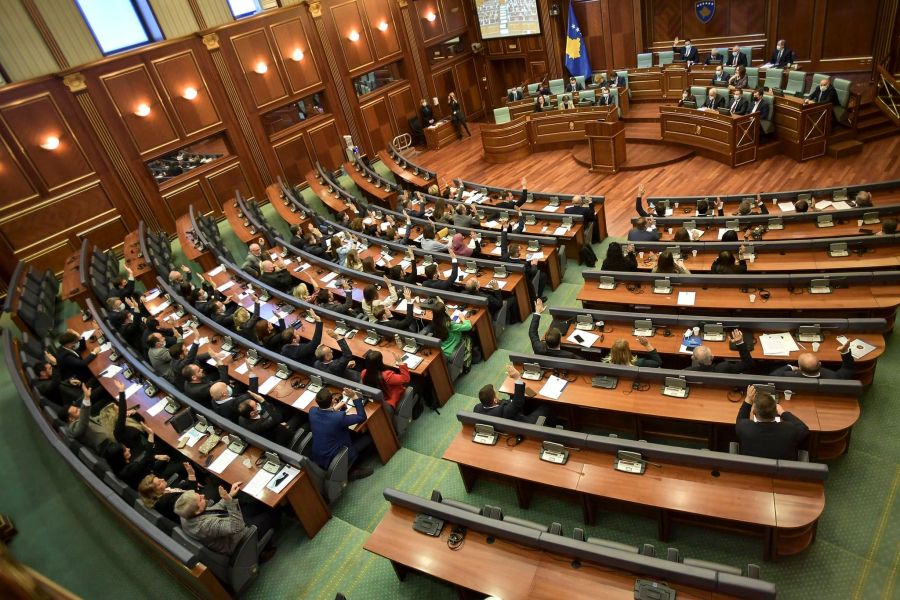
The elections are taking place amid an institutional crisis in Kosovo, triggered by parliamentary elections held in February this year.
Although the party of acting Prime Minister Albin Kurti, Vetëvendosje, received the most votes, seven months later, no parliamentary majority has been formed. After 56 attempts, parties in the Kosovo Assembly managed to agree on the Speaker of the Assembly, and two days before the local elections, on Friday, the Assembly was finally constituted.
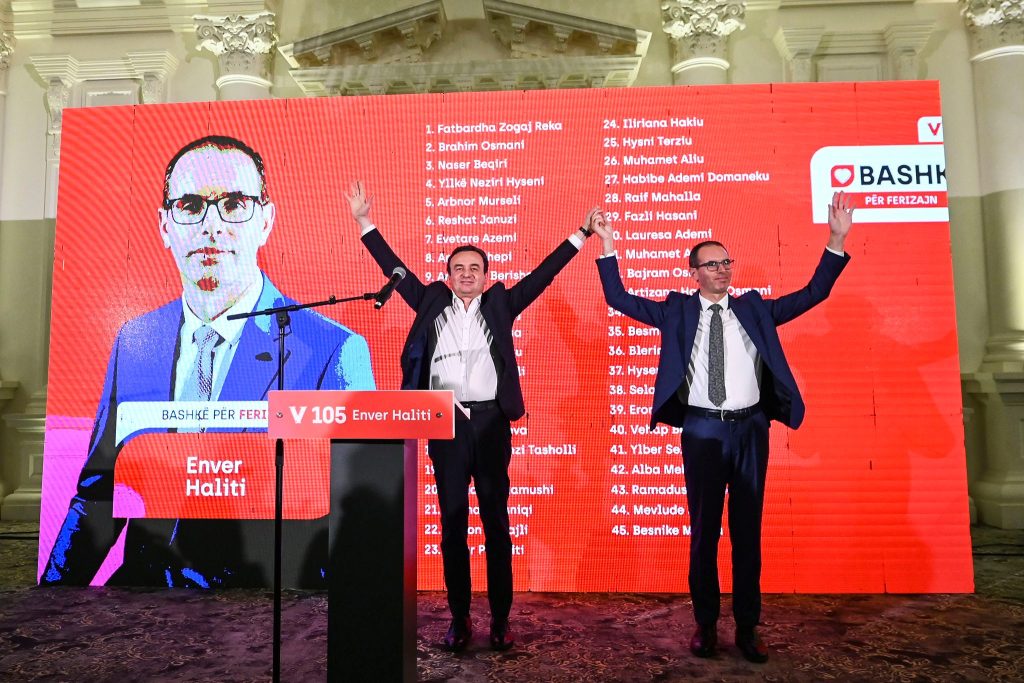
Given the political context, the local elections are being seen as a mini-referendum on Vetëvendosje, the party led by Albin Kurti.
Opposition parties, including the Democratic Party of Kosovo (PDK), the Democratic League of Kosovo (LDK), the Alliance for the Future of Kosovo (AAK), and the Social Democratic Initiative (NISMA), hope voters may punish Kurti for the prolonged institutional deadlock.
The previous local elections in 2021 also served as a test for Kurti’s newly formed government, with the LDK winning the most votes and the mayor’s office in the capital of Pristina. Candidates of the PDK were elected mayors of the second and the third largest cities of Kosovo.
Serb List returns to the elections
This time, the Serb List, the ruling party of Kosovo Serbs, will participate in the regular local elections. The party had boycotted the previous extraordinary local elections in four Serb-majority municipalities: Zubin Potok, Leposavić, North Mitrovica, and Zvečan.
Due to the boycott, these municipalities have since been led by mayors from Albanian parties, a move that has sparked tensions in Serb-majority areas.
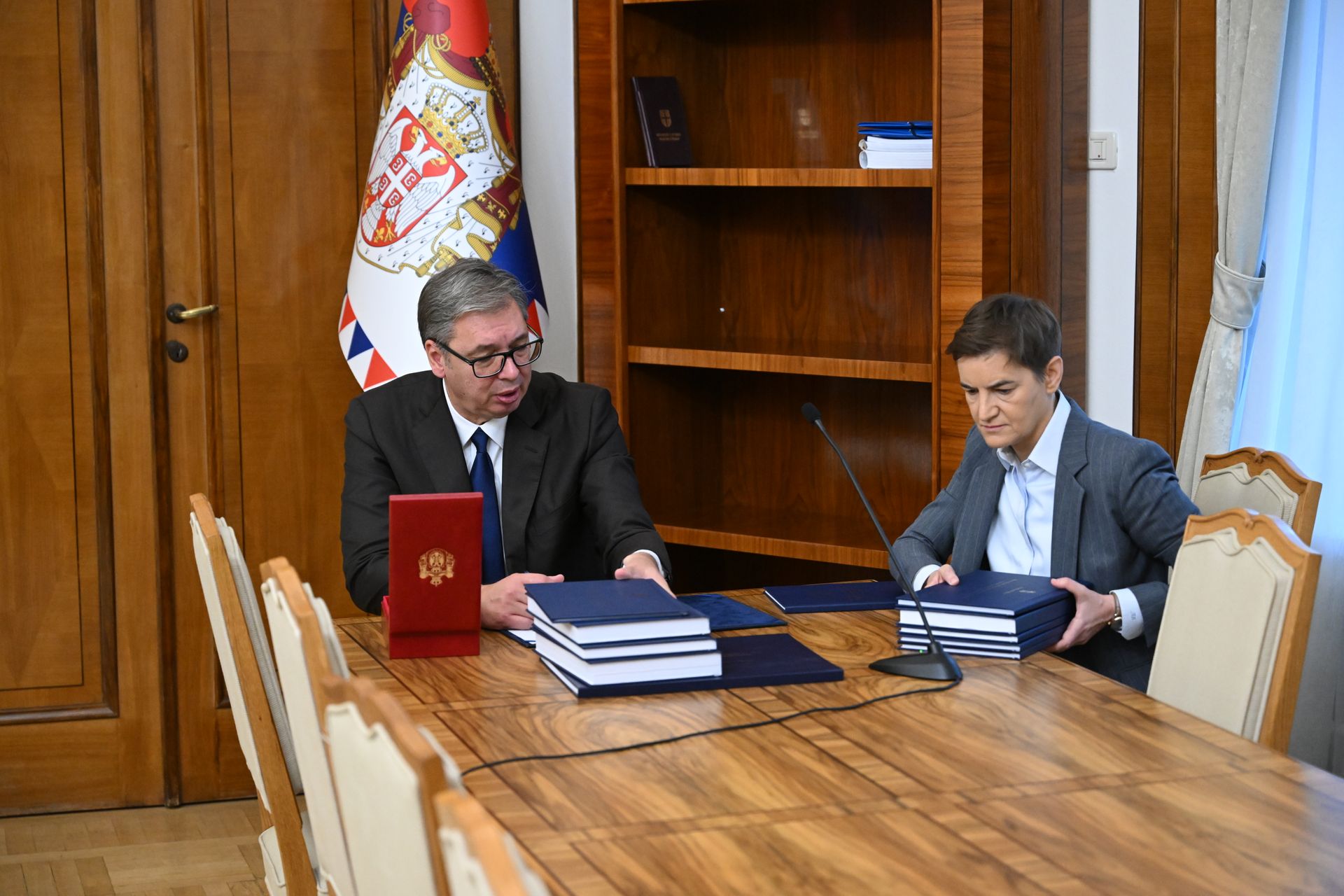
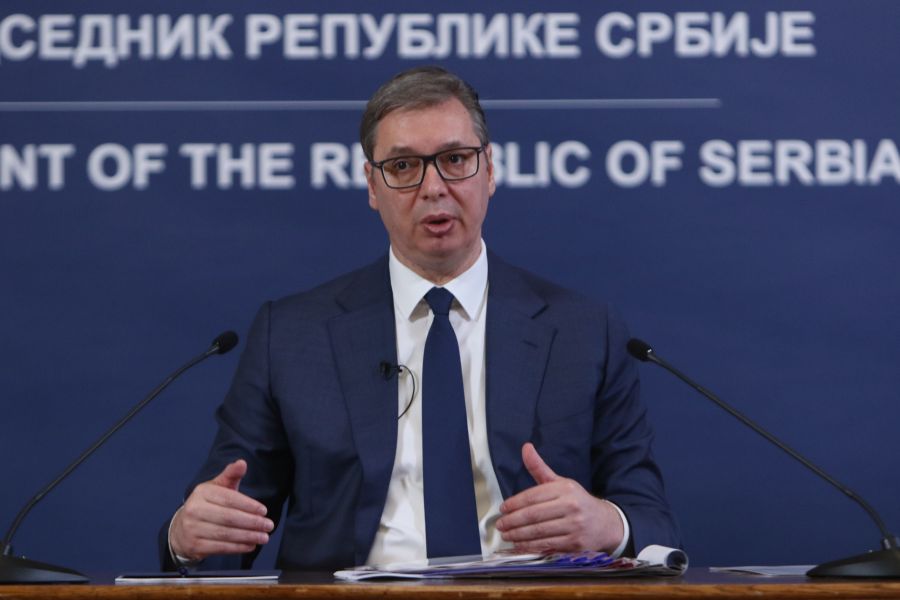
Serbian President Aleksandar Vučić urged citizens in Kosovo to vote for the Serb List.
“We do not hide calls to vote for the Serb List, because it is a responsible list representing the interests of the Serbian people, not taking orders from Kurti or any other embassy,” Vučić said in a national address on Thursday.
In addition to the Serb List, 11 other candidates from Serbian parties and initiatives outside the Serb List will participate in elections in ten municipalities.
Prime Minister Kurti this week accused Serbia of interfering in local elections by offering jobs and financial benefits to Serbs in the north. He called on the European Union to condemn Belgrade’s interference and impose sanctions.
Serbian-language media denied accreditation
The Central Election Commission (CEC) of Kosovo did not accredit several media outlets to cover the local elections on Sunday, mostly those reporting in Serbian from Kosovo and Serbia. Some CEC members argued that these outlets are “known for propaganda and slander against Pristina”, Radio Free Europe reported on Friday.
The Kosovo Journalists’ Association expressed concern over what it called a “precedent” set by the CEC’s decision.
“Discussions among commission members suggest the rejection was political and ethnic in nature,” the statement read.
The Association described the CEC’s decision as “unacceptable and contrary to Kosovo’s democratic values and press freedom.”
The Journalists’ Association of Serbia (UNS) and its Kosovo branch also called the decision discriminatory, urging a prompt response from the European and International Federation of Journalists, as well as the international community.
The Organisation for Security and Co-operation in Europe (OSCE) Mission in Kosovo also expressed disappointment over the decision by some CEC members to deny accreditation to Serbian-language media.