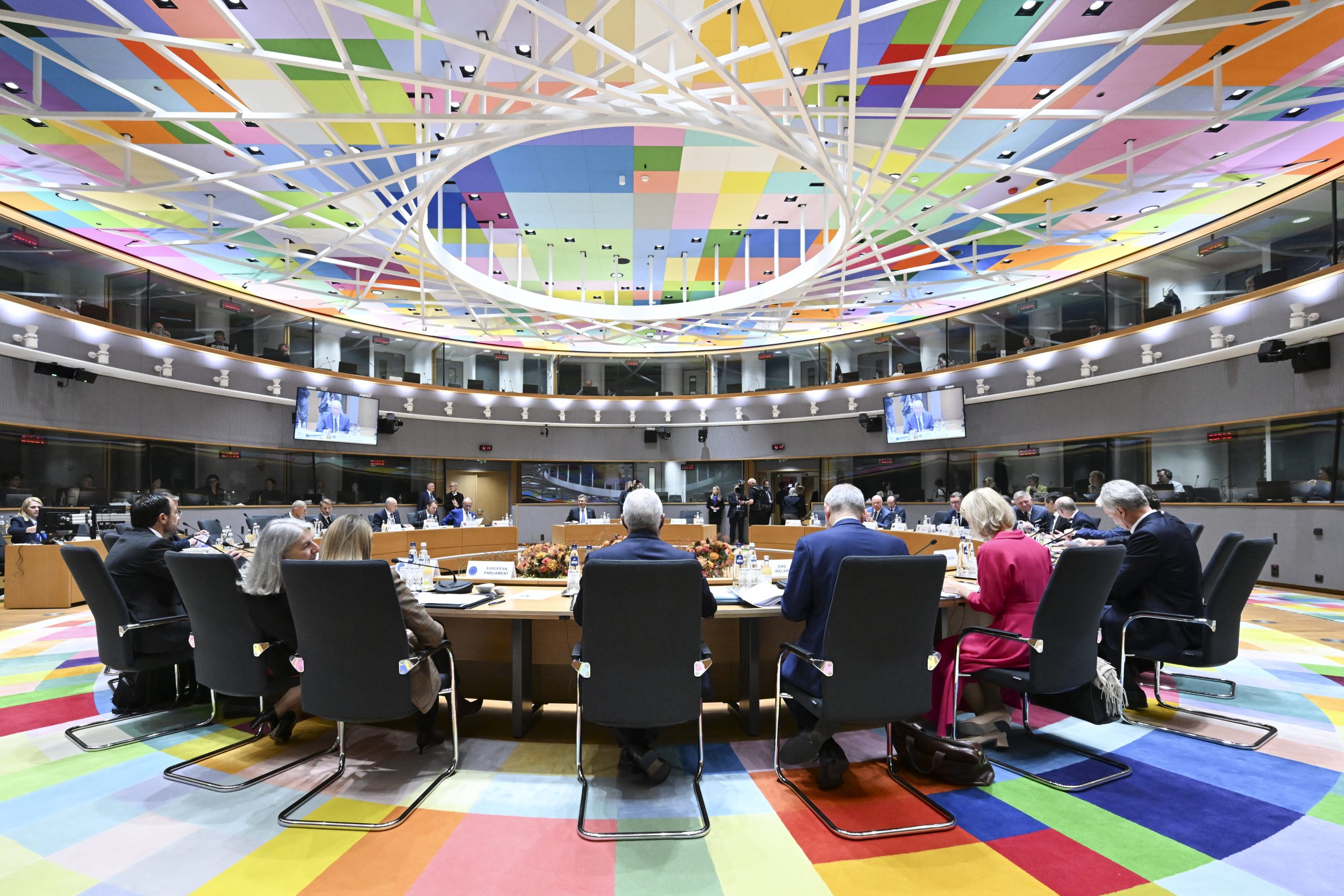
BRUSSELS –Yesterday’s decision by the ambassadors of the EU member states to approve the establishment of the ad hoc working group to draft the Accession Treaty with Montenegro has been met with widespread optimism from EU and Montenegrin officials. The move is considered a “historic moment” and a major step forward, representing the transition to the technical, final phase of the negotiations.
“Montenegro’s place inside the EU is now taking shape. Today, Member States decided to start drafting Montenegro’s EU Accession Treaty. This is a major step on the path to EU membership, a clear recognition of Montenegro’s progress, and an encouragement to accelerate reforms”, Marta Kos, EU Commissioner for Enlargement, stated in an X post.
According to Kos, “it also offers a chance to draw lessons from past enlargements and include new and stronger safeguards in future accession treaties to prevent backsliding on the rule of law and fundamental values”.
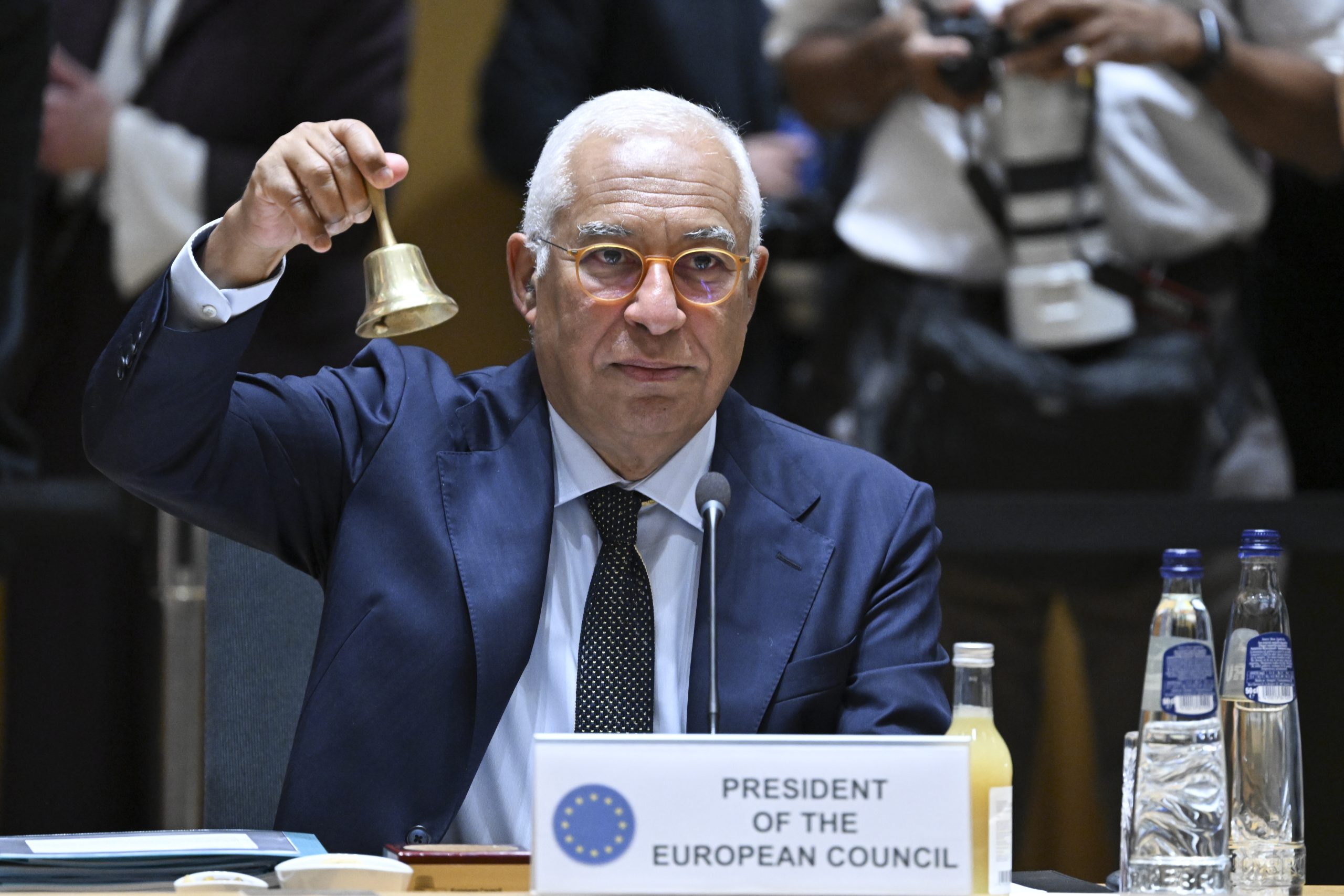
António Costa, President of the European Council, congratulated Montenegro, highlighting that this decision marked the first time since 2013 that the EU had “started the clock” for the next enlargement.
“Congratulations to Montenegro – today we took a big step towards your accession to the European Union. The decision to establish the Working Party to draft the new Accession Treaty is a key milestone”, Costa remarked.
Milojko Spajić, Prime Minister of Montenegro also stressed that “for the first time since 2013 a working group for the drafting of the Accession Treaty was formed”.
“We are grateful to the Committee of Permanent Representatives of the Member States of the European Union (Coreper), which today approved the formation of the working group, as well as to Cyprus Presidency of the Council of the EU, for the effective treatment and affirmation of the enlargement process in line with its merits”, Spajić noted.
Andrija Mandić, Speaker of the Parliament of Montenegro, assessed that the establishment of a working group for the drafting of the Accession Traty is a clear signal that the country is entering the final phase of European integration, “but also a confirmation of political stability provided by the current parliamentary majority”.
“The role of the Parliament in this process is crucial and irreplaceable”, Mandić said.