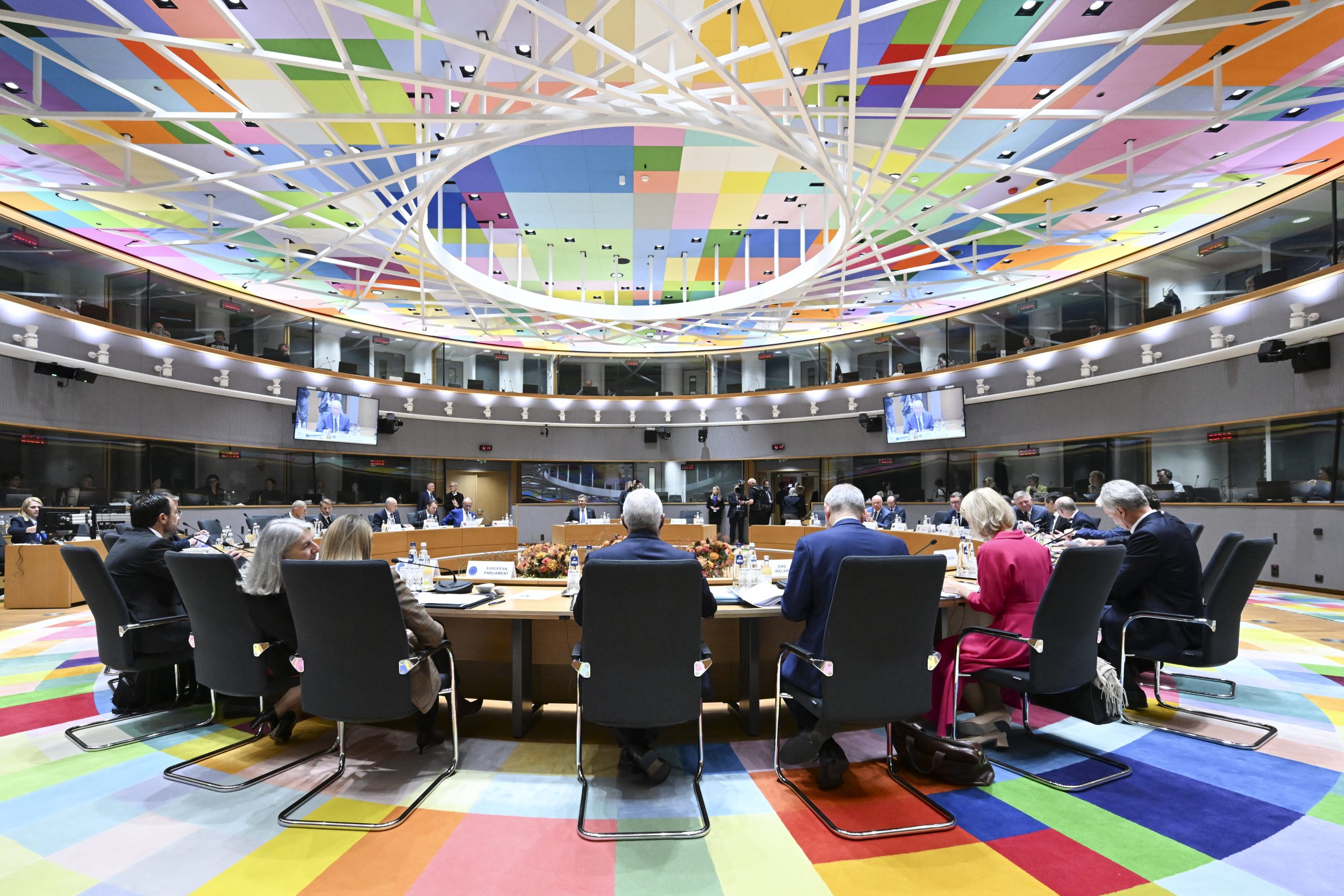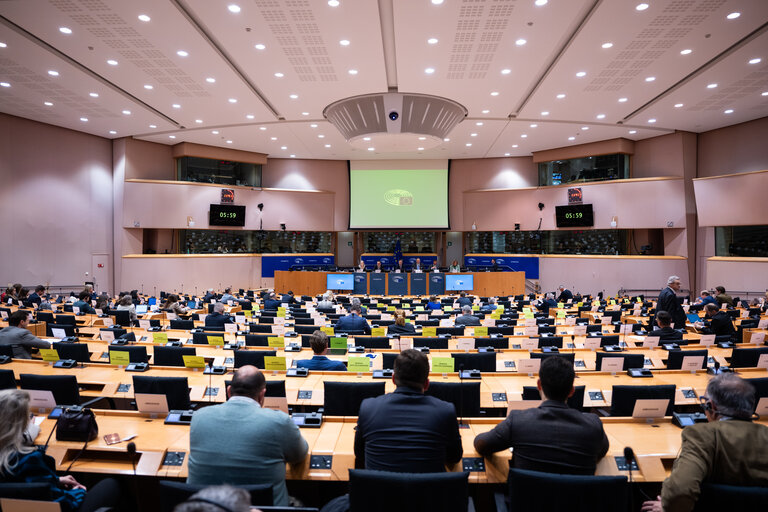
BRUSSELS – The Committee on Foreign Affairs of the European Parliament (EP) today adopted annual reports on Albania and Montenegro. MEPs encouraged both countries’ political elites to focus on the reforms necessary for EU membership, and stressed the need for consolidating track records in the rule of law and the fight against corruption.
The reports will be put on the agenda of one of the upcoming European Parliament plenary sessions.
According to the statement by AFET, in a report drafted by Andreas Schieder (S&D) adopted by 58 votes in favour, 7 against and 7 abstentions, MEPs on the Committee on Foreign Affairs welcome Albania’s “outstanding commitment to EU integration and the swift progress it has made in recent years, calling on the authorities to ensure legislation adopted is implemented thoroughly”.
Despite the progress achieved, states the report, Albania still faces several challenges, such as overcoming internal political polarisation and improving the political culture, strengthening the rule of law and consolidating anti-corruption reforms.
Noting Albania’s ambition of closing accession negotiations by the end of 2027, the report warns that the quality of the country’s reforms will determine the timetable for accession.
While praising the continued implementation of the judicial reform process, MEPs note that the judiciary continues to face political pressure and threats, which risk undermining judicial independence. Furthermore, despite progress in the fight against corruption, it is still a serious concern, say MEPs.
The text stresses that Albania must further consolidate its track record for investigations, prosecutions and final convictions, particularly in high-level corruption cases.
The MEPs also commend Albania’s continued full alignment with the EU’s common foreign and security policy and its constructive role in promoting regional stability.
The report on Montenegro, drafted by Marjan Šarec (Renew), was adopted by 56 votes in favour, 7 against and 10 abstentions. Committee on Foreign Affairs MEPs welcome Montenegro’s steady progress on EU-related reforms, underpinned by its ambition to complete negotiations by the end of 2026. They also note Montenegro’s aspirations to become the 28th EU member state by 2028.
Pointing to the broad public support among Montenegrin citizens for the country’s European path, MEPs encourage all political actors to stay focused and maintain the country’s momentum towards successfully concluding accession negotiations, the AFET statement reads.
Alongside technical reform benchmarks, MEPs say that a strategic European orientation and unwavering commitment by Montenegro’s political representatives to the country’s independent statehood remain key political criteria in the country’s EU accession process.
The report highlights the importance of measurable and lasting results in implementing reforms, particularly in justice, the rule of law and public finance management. The fight against organised crime and corruption, as well as concerns relating to media freedom and civil society, also remain firmly on the agenda.
MEPs also welcomed Montenegro’s steadfast and full alignment with the EU’s common foreign and security policy, including EU restrictive measures against Russia. They point out that as the most advanced candidate country, Montenegro should also continue playing a constructive and stabilising role in the Western Balkans region.
The report expresses grave concerns by persistent and intensifying malign foreign interference, hybrid threats and disinformation campaigns by third-country actors. MEPs in particular noted the malign influence of China, Russia, and Serbia.