BELGRADE – “The Western Balkan armed conflicts of the 1990s were among Europe’s darkest moments in its recent history. We are standing in solidarity with all victims, survivors and their families who suffered from war crimes in countries of former Yugoslavia”, it has been stated today by the European External Action Service (EEAS).
The statement remarks that “Ratko Mladić was a convicted war criminal who had committed war crimes, genocide, and crimes against humanity”.
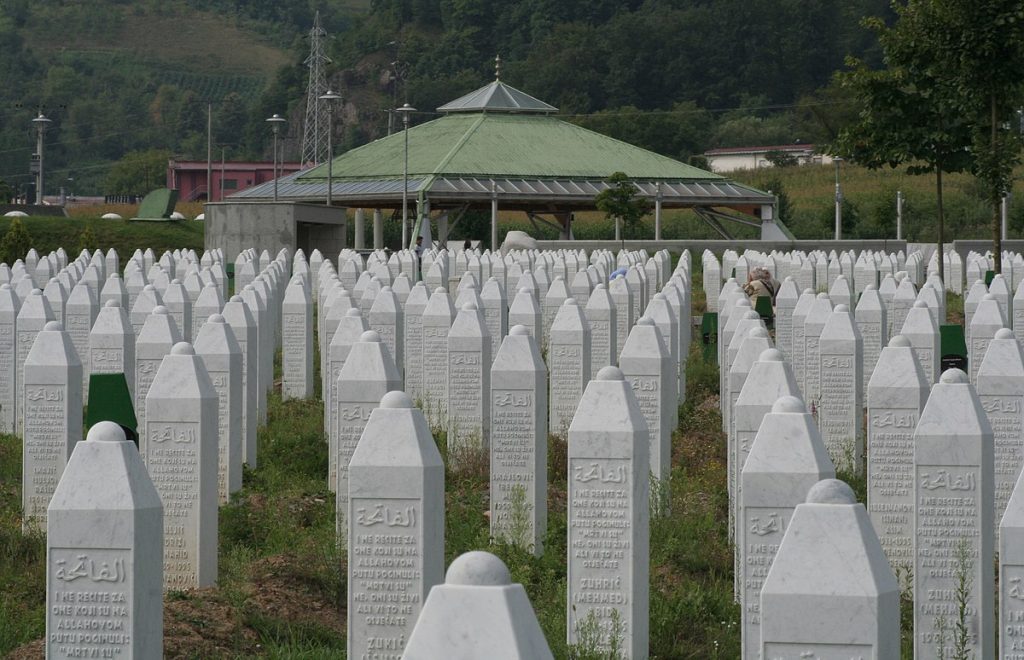
“He died while serving a life sentence for crimes against humanity and the genocide in Srebrenica. The International Criminal Tribunal for the former Yugoslavia sentenced him to life imprisonment in 2017, describing his crimes as among the most heinous crimes known to humankind. Any glorification of war criminals, genocide denial and revisionism contradict the most fundamental European values and have no place in the EU or in EU candidate countries. Reconciliation and good neighbourly relations in Western Balkans remain central to building a shared future”, the EEAS stresses.
According to the statement, “the EU is a partner to all countries in the Western Balkans to support their efforts to foster reconciliation and regional stability, as well as to find and to implement definitive and inclusive solutions to our partners’ regional and bilateral disputes and issues rooted in the legacy of the past, in line with international law”.
Former commander of the army of Republika Srpska Ratko Mladić, sentenced to life imprisonment for genocide and other war crimes during the war in Bosnia and Herzegovina, will be buried today at the Topčider Cemetery in Belgrade.