SARAJEVO – OSCE Office for Democratic Institutions and Human Rights (ODIHR) election observation mission in Bosnia and Herzegovina have published an interim report stating that the general elections scheduled for 4 October, are taking place in a highly polarised environment, further strained by tensions following the death of Ratko Mladić, the wartime commander of the Army of Republika Srpska, who was convicted by the Hague Tribunal of genocide, war crimes and crimes against humanity.
According to ODIHR, this has led to several complaints being filed against politicians and candidates from Republika Srpska entity over the alleged glorification of a convicted war criminal, which constitutes a criminal offence under BiH law.
The ODIHR report notes that the elections are also being affected by the first nationwide use of electoral information and communication technologies (ICT), which has raised expectations regarding the integrity of the electoral process.
It stresses that the state-level Central Election Commission (CEC) is entirely dependent on the private company Smartmatic in this regard. Delays in the delivery of equipment have also made it more difficult for citizens to familiarise themselves with the new procedures.
“By 16 September, a significant number of the ICT devices had still not been delivered to the CEC by the private supplier Smartmatic. Although the CEC is making considerable efforts to ensure the proper introduction of ICT, the significantly shortened timeframe is affecting voter education, as well as the training and preparedness of the election administration to use ICT devices”, the ODIHR report said.
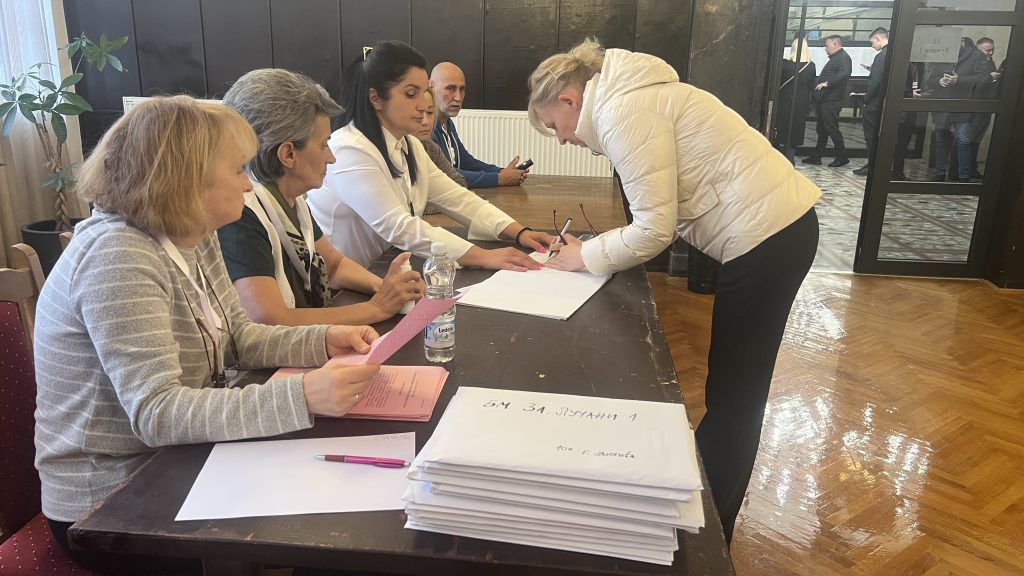
They also states that the number of polling stations has been reduced compared with the previous elections due to a decline in the number of registered voters in certain areas, as well as the merging of smaller and special polling stations with regular ones. Some polling stations have been relocated to ensure device connectivity.
It further notes that most interlocutors of the ODIHR mission welcomed the use of ICT, while some expressed concerns about the transparency of the procurement process, dependence on the supplier, significant delays, the complexity of ballot papers and voting procedures, and the protection of biometric data.
ODIHR also noted that, following the announcement of the elections, entity, cantonal and municipal authorities revised their original budgets or allocated previously approved budget funds for increases in salaries and pensions, as well as for social benefits during the campaign.
Some interlocutors of the OSCE Mission reported that employees in both the public and private sectors had been subjected to pressure intended to influence their voting choices.
“Electoral contestants have primarily targeted their campaigns at their own ethnic communities, linking identity-based messages with political messages focused on the entities,” the report states.
In the interim report ODIHR noted that internet penetration in BiH is high and that most users follow news and social media, making online platforms an important campaigning tool for politicians.
“Most electoral contestants have so far campaigned on social media, including through paid advertising. Facebook is the most widely used platform, followed by Instagram, while TikTok is increasingly being used”, the report states.
Although no institution is specifically tasked with monitoring online campaigning, the report adds, the CEC is responsible for enforcing campaign rules and has sanctioned electoral contestants for certain violations, including hate speech and premature campaigning on social media.