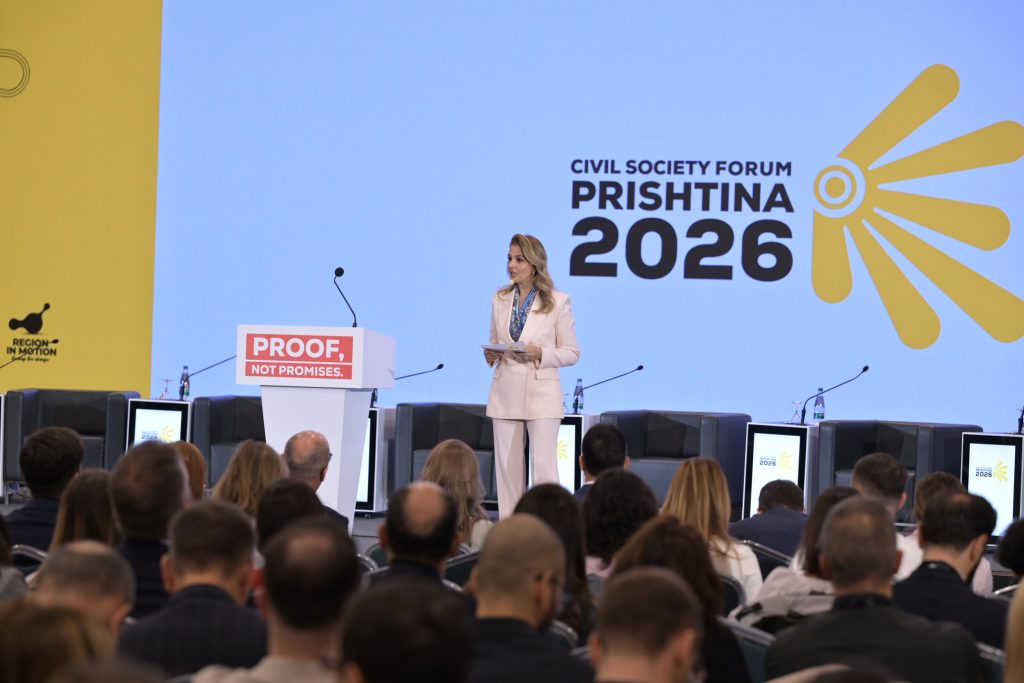
PRISTINA – The Civil Society and Think Tank Forum (CSF) 2026, the official civil society platform of the Berlin Process, concluded in Prishtina on 7 October, after three days of structured policy deliberation bringing together over 150 civil society organizations and think tanks from the Western Balkans Six.
Organized by the Open Society Foundations – Western Balkans in partnership with the Government of Kosovo and in cooperation with the Government of Montenegro, which holds the Berlin Process chairmanship, CSF 2026 took place from 5 to 7 October and produced six sets of regionally grounded, evidence-based policy recommendations.
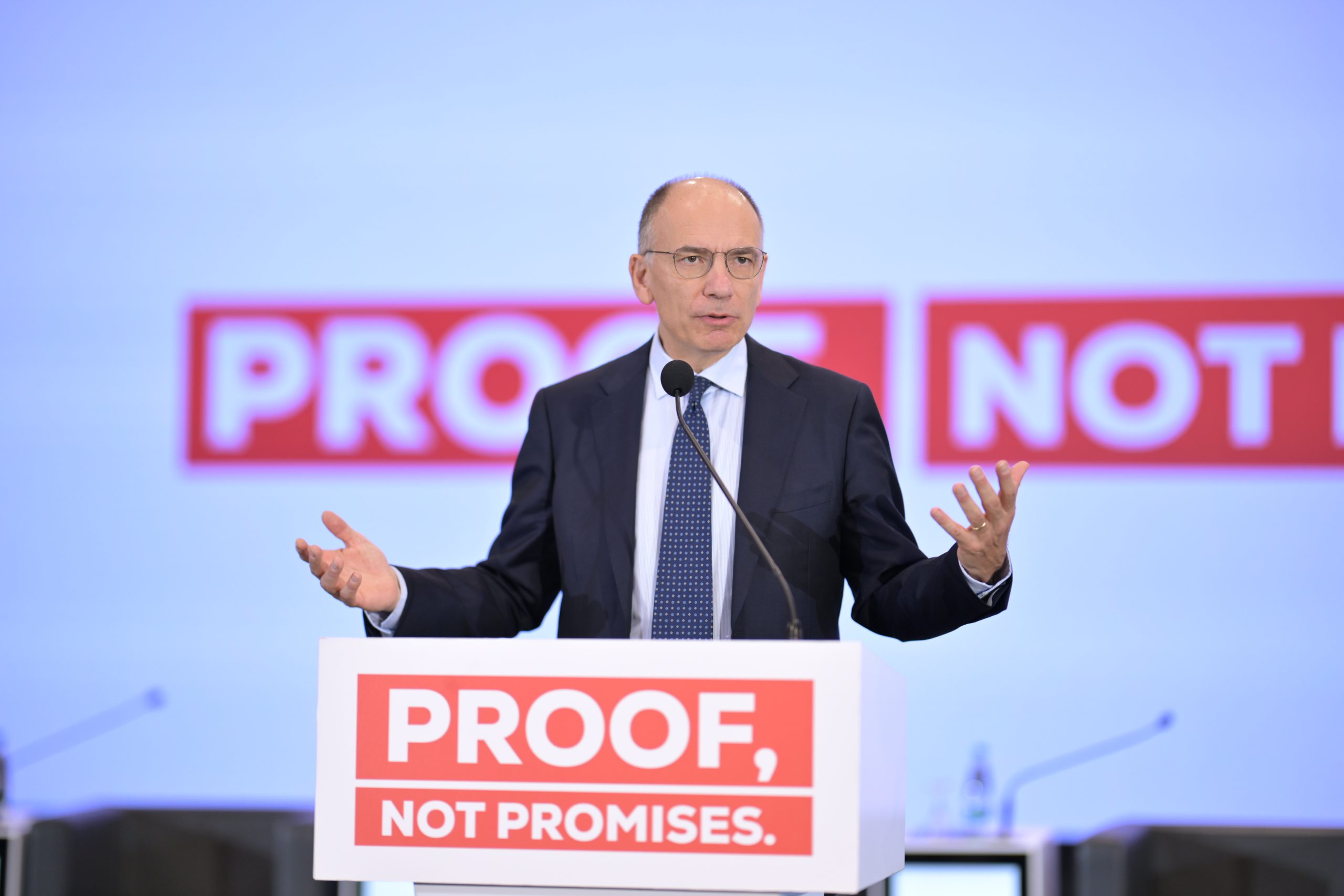
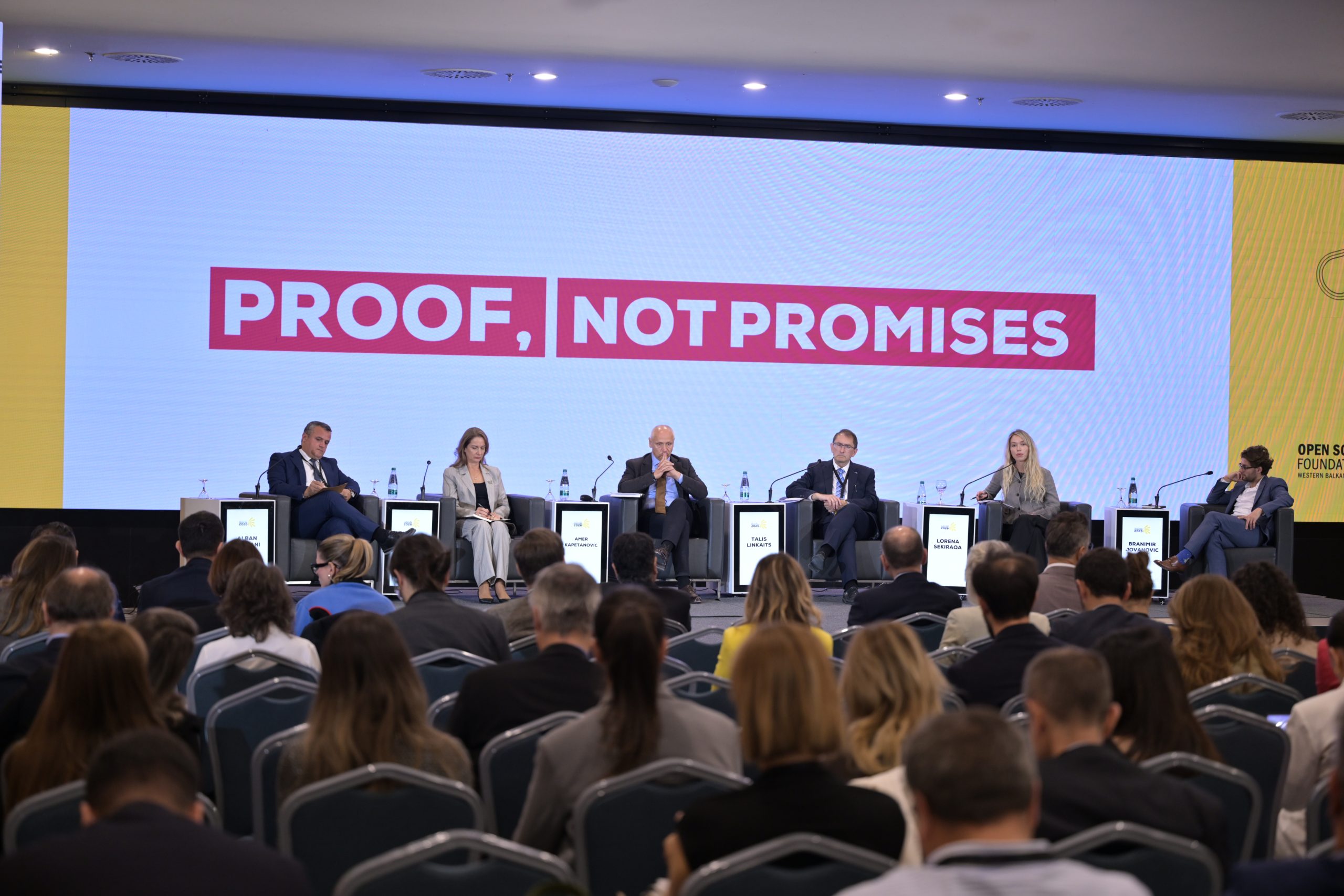
“Proof, Not Promises”
The Forum opened on 5 October under the theme “Proof, Not Promises”. The theme reflects civil society’s call for a shift from political commitments to verifiable delivery across all six Western Balkans countries, reads the press release by OSF.
Andi Dobrushi, Director of Open Society Foundations – Western Balkans, stated in his opening remarks: that “two of the six is a start, not a region”.
“A region does not finish when its first runner crosses the line. What travels from this hall to Podgorica is not a wish list, it is the record. What was promised, what was delivered, and what is still owed. Civil society’s job is to make that motion matter, to turn movement into proof and proofs into recommendations that leaders cannot politely applaud and then quietly ignore. Proof, not promises, that starts with our own”, Dobrushi said.
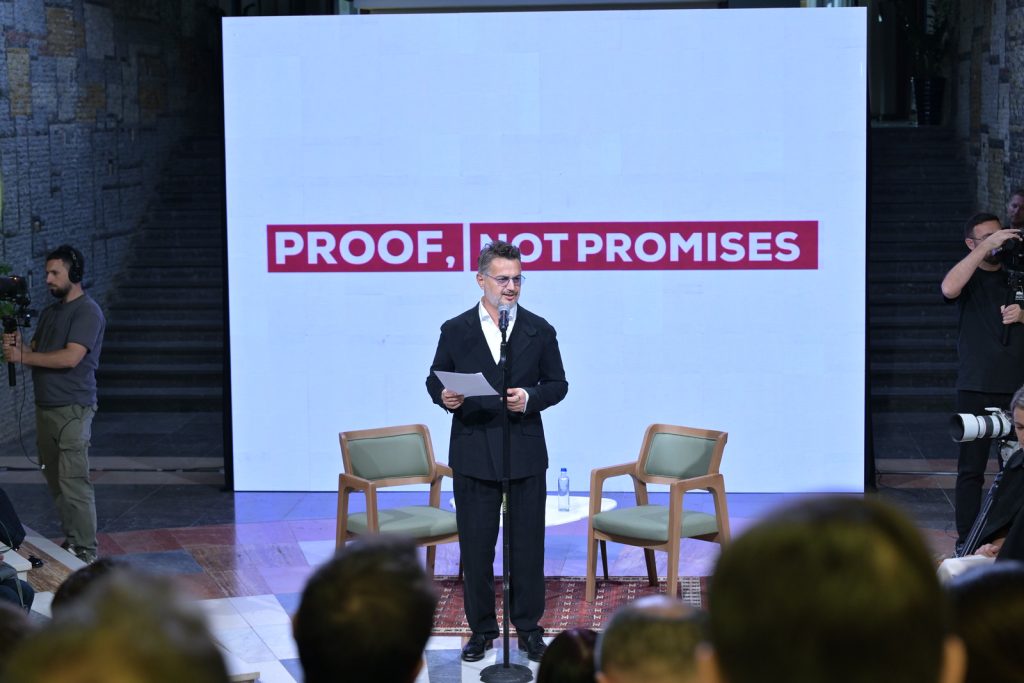
Prime Minister Albin Kurti welcomed participants to Prishtina, noting Kosovo’s four-year membership application and its reform record across the rule of law, anti-corruption, and democratic governance.
“Kosovo has become one of the strongest democracies in the Western Balkans and beyond, strengthening the rule of law, fighting corruption, and protecting fundamental freedoms. This forum’s slogan is proof, not promises, and it would be only right and just if the next time this forum meets, no country that has given the proof is left outside the accession process”, Kurti noted.
Chief Negotiator for EU Accession of Montenegro, Predrag Zenović, representing the Berlin Process Chair country, underlined the reciprocal nature of the accession process.
“The proof is reciprocal, and it has a number and a date, the 28th member state in 2028. Montenegro does not want to be an exception. We want our progress to demonstrate that the European perspective can become a reality for the whole region. Europe has never been only a promise. It is what we build together proof, not promises”, Zenović remarked.
Federal Government Commissioner for Human Rights Policy and Humanitarian Assistance Lars Castellucci delivered the Forum’s keynote address on 5 October.
He addressed the strategic role of civil society in the European integration process, the centrality of the rule of law, and Germany’s continued commitment to the Berlin Process and to the enlargement agenda.
Commissioner Castellucci noted that Germany’s Foreign Minister had followed closely the recommendations presented by CSF rapporteurs at the Foreign Ministers’ meeting in Montenegro and confirmed full support for civil society’s priorities.
Enrico Letta, former Prime Minister of Italy and author of the 2024 report “Much More Than a Market”, delivered the keynote address on 6 October, focusing on the integration of the Western Balkans into the European Single Market as a practical instrument of the enlargement process.
“Proof, not promises, this is the title that we must put at the front of the door of the European Union institutions everywhere in Europe. Delivery is today the key word”, Letta stressed.
On the Single Market Letta stated: “If we start creating working single markets among the candidate countries, that will change everything. The single market is full citizenship, not being an immigrant in your own European Union”.
Letta announced that the Jacques Delors Institute will launch a civil society roadshow across Rome, Bucharest, Paris, Stockholm, and Berlin by the end of 2026 to urge implementation of the single market agenda, and called on Western Balkans civil society organizations to extend the platform to candidate countries.
Think Tank Working Groups Policy Recommendations
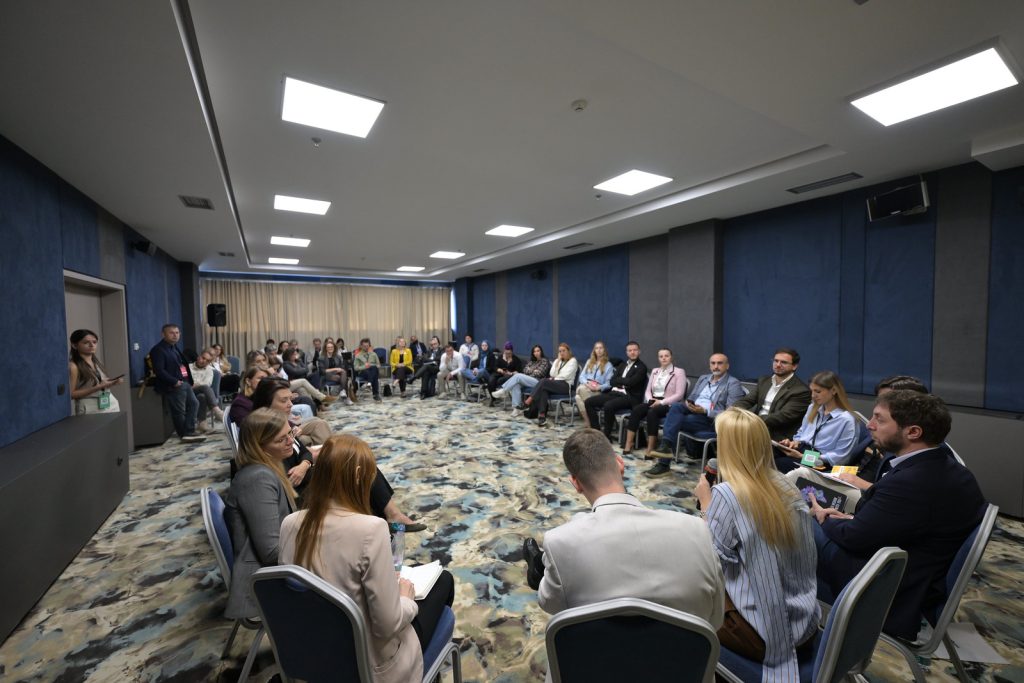
CSF 2026 established six thematic working groups, each coordinated by civil society and think tank organizations from across the Western Balkans Six.
Groups were developed over months of regional consultation, drawing on research produced through the Ignita initiative.
Each group produced policy recommendations, which were validated at the plenary session on 7 October.
The Civil Society and Think Tank Forum is the official civil society platform of the Berlin Process, established in 2015.
It brings together civil society organizations and think tanks from Albania, Bosnia and Herzegovina, Kosovo, Montenegro, North Macedonia, and Serbia to produce joint, evidence-based policy recommendations presented to Heads of Government at the annual Leaders’ Summit.
CSF 2026 was organized by Open Society Foundations – Western Balkans, in partnership with the Government of Kosovo and in cooperation with the Government of Montenegro, which holds the Berlin Process chairmanship.