Dear readers,
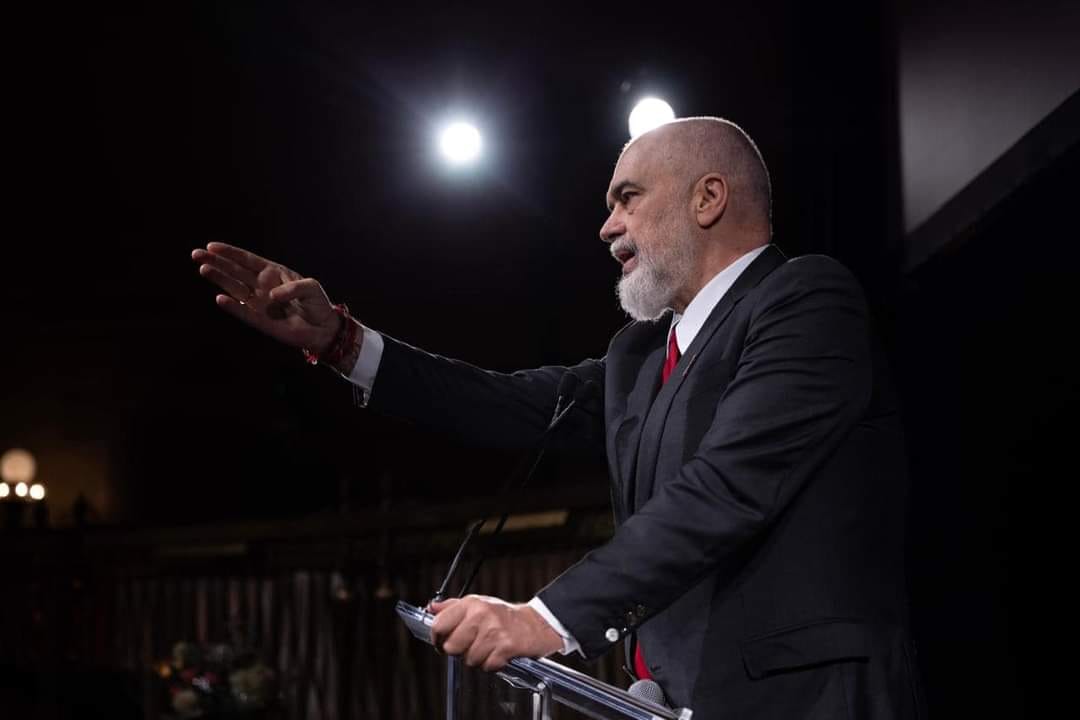
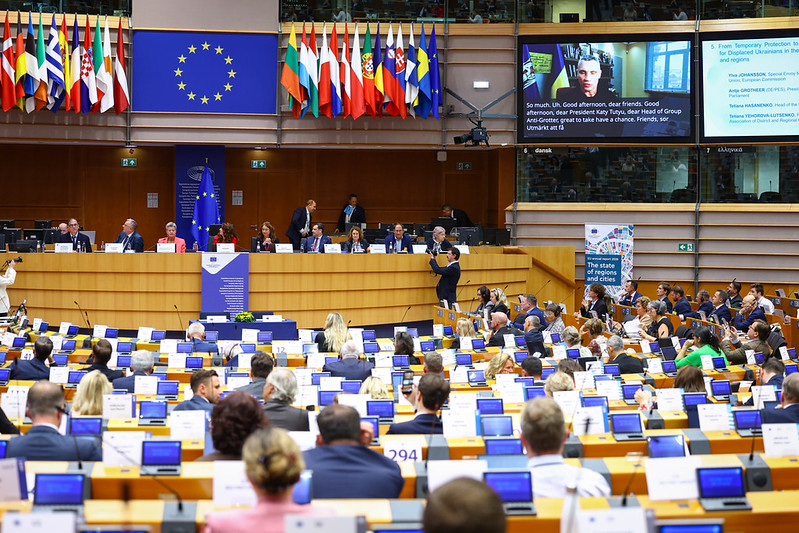
EU enlargement featured prominently on the agenda this week, from intergovernmental accession conferences to discussions among EU leaders at the European Council. Montenegro closed three more negotiating chapters, Albania closed another, and Ukraine and Moldova each opened new clusters.
However, images from Brussels told only part of the story.
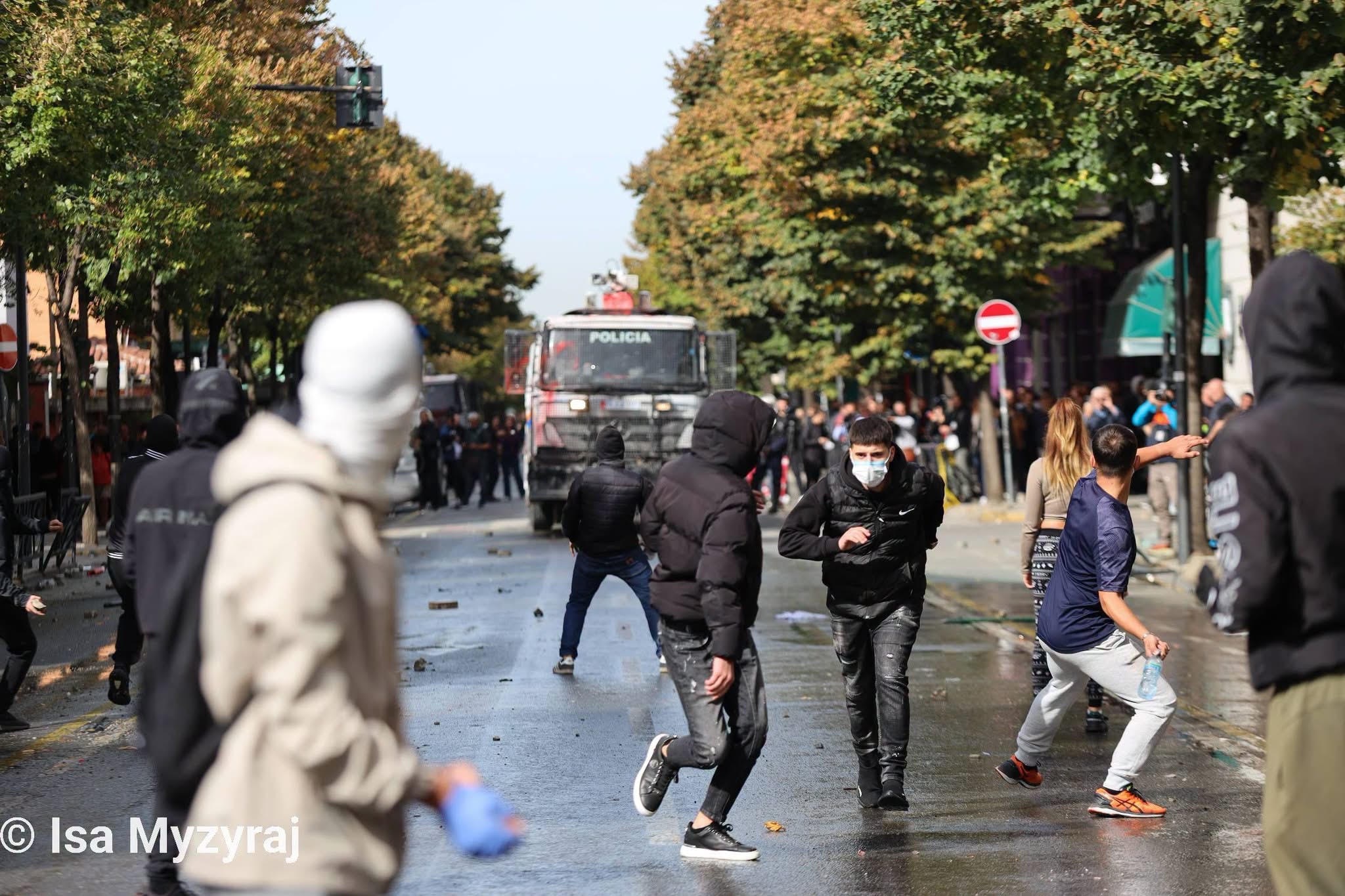
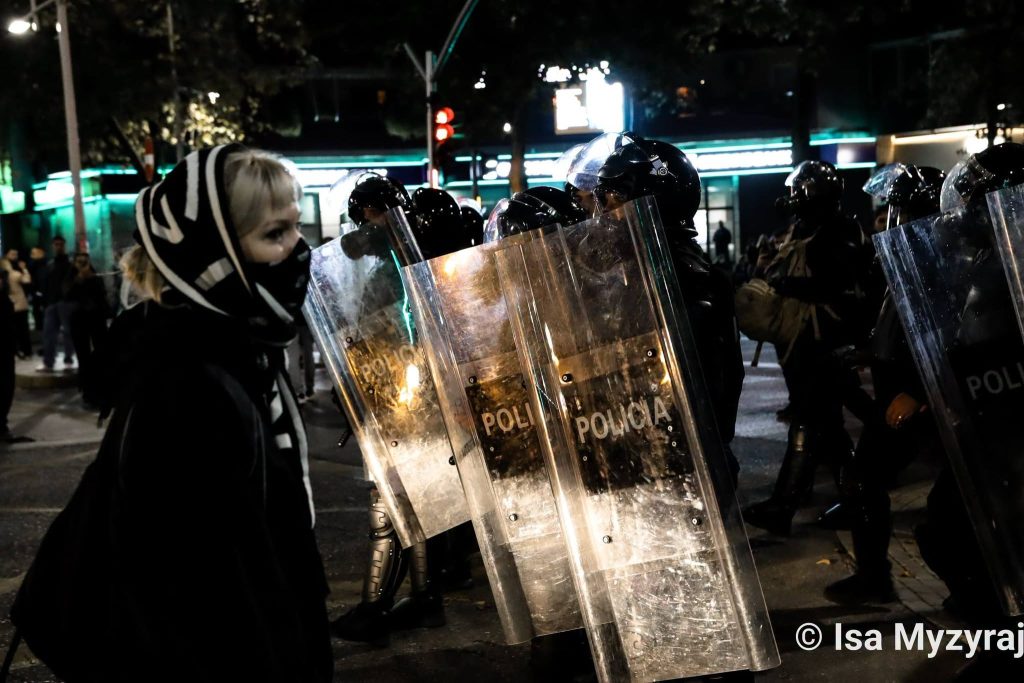
As Albania took another step towards the EU, students at home were taking to the streets over education costs, poor university conditions and frustration with corruption. The protests escalated into violence, with buildings set alight and police responding with tear gas and water cannon. The escalation should not obscure what preceded it – more than 100 days of peaceful demonstrations met with intimidation and police violence, leaving citizens’ grievances unanswered.
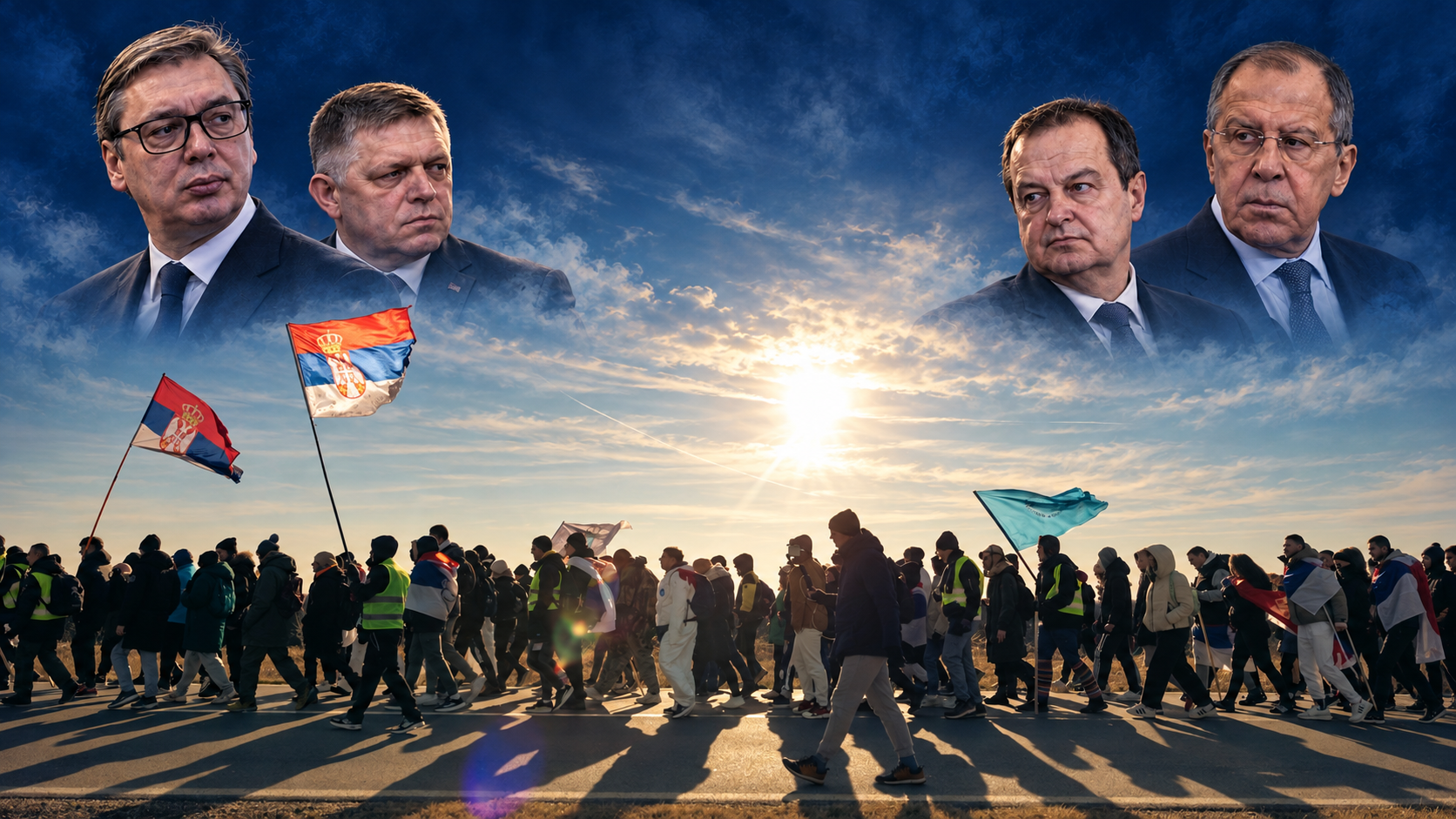
In Serbia, demands for accountability have moved from the streets into the electoral contest. As the campaign enters its final week before the parliamentary elections on 25 October, the Student List stands as the ruling party’s strongest challenger. The ruling Serbian Progressive Party has continued its negative campaign against the students, while also accusing Croatia and members of the European Parliament of interfering in the elections.
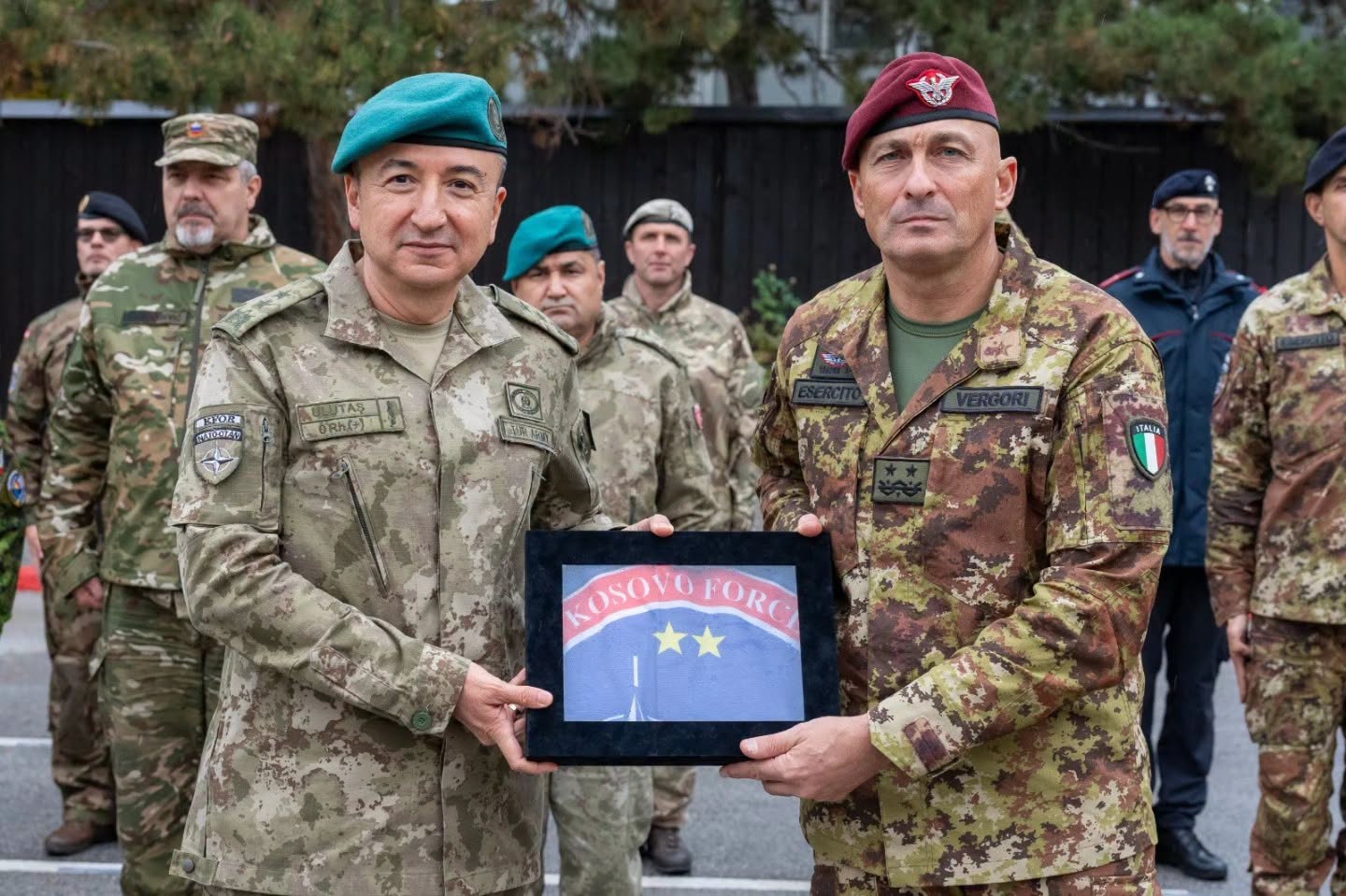
In Kosovo, the dispute centred on accountability for the past. Enlargement Commissioner Marta Kos renewed her criticism of amendments to the law governing the Specialist Chambers, warning that their adoption and implementation would represent a serious step backwards on Kosovo’s path towards the EU.
If you would like to support EWB as your trusted source on EU integration, you can do it now through our “Buy Me a Coffee” page. If you would like to help us improve our work, we would be grateful if you could take a few minutes to complete our reader survey.
Best regards,
Sofija Popović
Newsletter Editor
In Focus
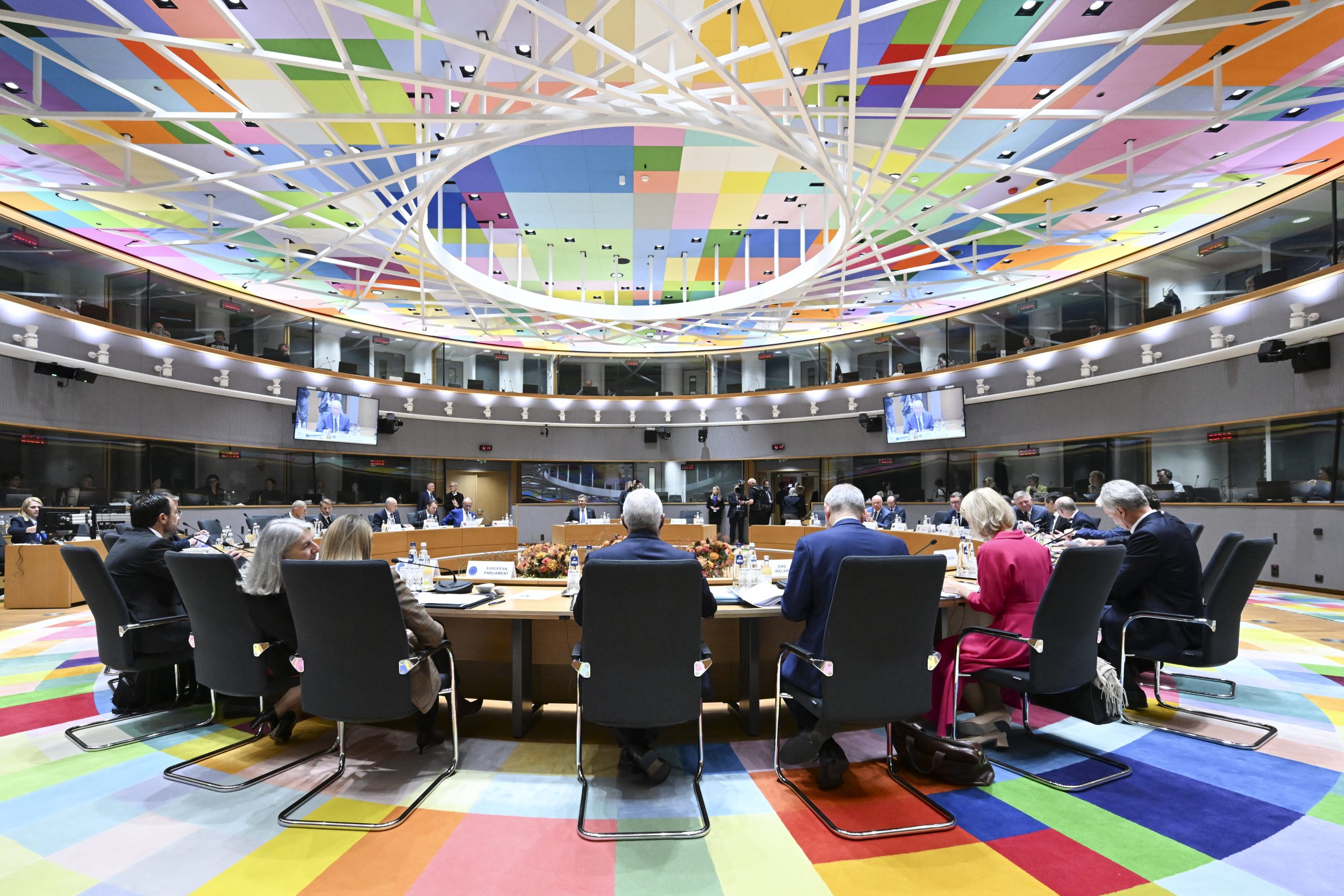
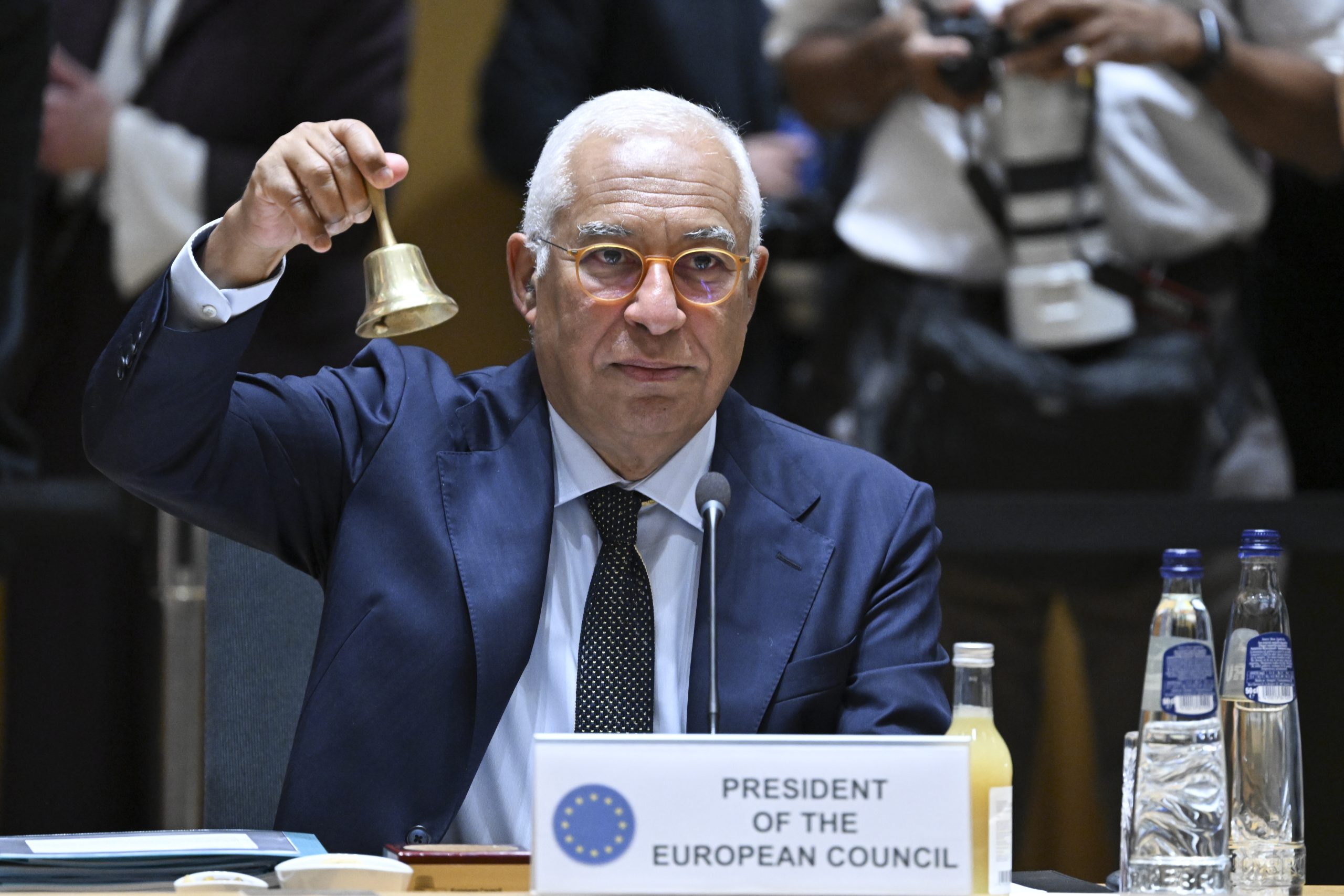
On Thursday, the European Council held a strategic discussion on the way forward on enlargement and internal reforms. European Council stresses the continued importance of enlargement as a geostrategic investment in peace, security, stability and prosperity.
EU leaders underline that enlargement is a driver for improving the economic and social conditions of European citizens, reducing disparities between countries, and must foster the values on which the Union is founded.
In parallel, the EU needs to advance internal work and reforms, set its long-term ambitions and the ways to achieve them, and address key questions related to its priorities and policies as well as its capacity to act.
The European Council takes note of the Commission’s communication on “Preparing for a wider Union” and calls on the Council to analyse all strands and, on the basis of this analysis, to take work forward.